Long-term Residential Treatment Centers
Long-term residential programs extend treatment beyond the typical 30-day model, often lasting 90 days to 12 months or more. Research consistently shows that longer treatment durations correlate with better outcomes. These programs provide time to address deep-rooted issues, develop life skills, build stable recovery habits, and transition gradually back to independent living.
Found 1,609 long-term residential treatment centers across the United States.
Ready to Start Your Recovery Journey?
Our specialists will match you with the right center — 100% free
Showing 20 of 1609 long-term residential treatment centers
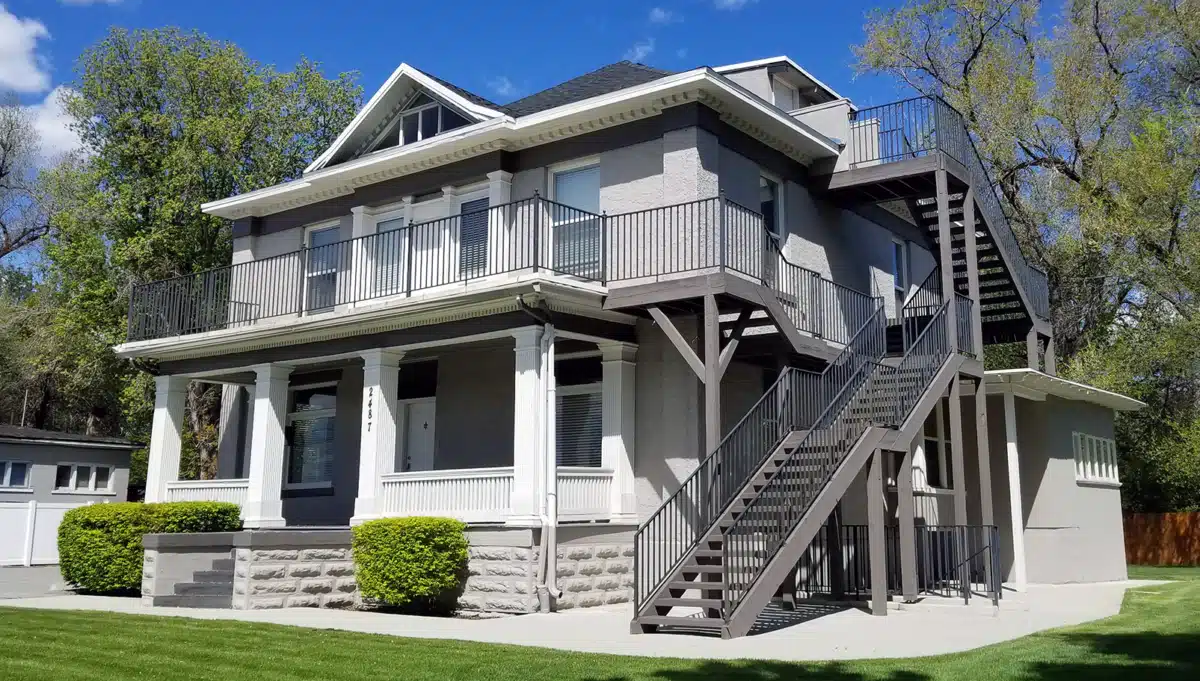
Nestled in the heart of Salt Lake City, UT, 7th Street is dedicated to delivering specialized rehabilitation services aimed at addressing substance use and co-occurring mental health challenges for both adults and children. The center boasts a range of treatment options, including intensive outpatient programs, long-term residential care, and traditional outpatient services, all grounded in effective methods such as 12-step facilitation, anger management, and brief intervention strategies. Recognizing the unique needs of their clients, tailored programs are available specifically for adult men, adult women, and those who have faced trauma. With a keen focus on serving adult and young adult populations, individuals of all genders can experience the high-quality care and extensive services that this facility provides.
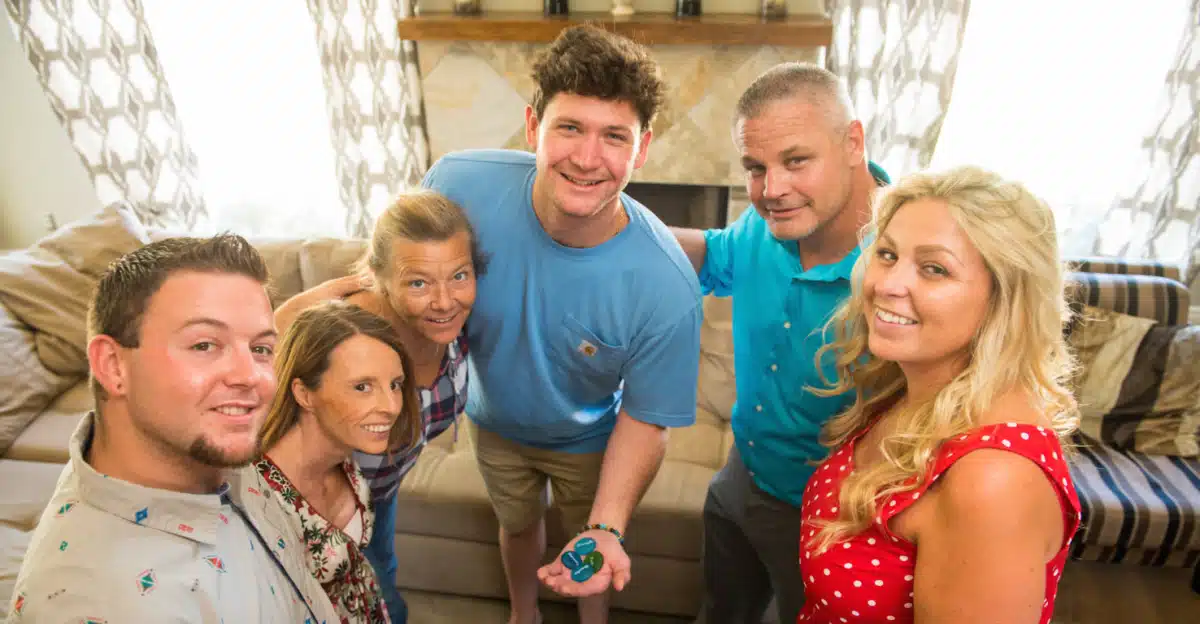
ABC Recovery Center Inc, located in Indio, CA, provides a wide range of addiction treatment services that encompass detoxification, substance use therapy, and transitional housing options. This facility emphasizes long-term residential care, offering around-the-clock support to ensure clients receive comprehensive assistance. By integrating evidence-based strategies such as cognitive behavioral therapy and 12-step facilitation, ABC Recovery Center fosters a nurturing environment. Special programs are designed for both adult men and women, including those who have faced intimate partner violence. With a strong focus on anger management and tailored care, the center aids adults and young adults of all genders in their recovery journeys. ABC Recovery Center Inc remains steadfast in its commitment to delivering high-quality, personalized care, guiding clients towards a path of lasting sobriety.
Located in Indio, CA, ABC Recovery Center Inc offers a wide array of addiction treatment services designed to meet diverse needs. This center places a strong emphasis on long-term residential care and residential detoxification specifically for adult women. Their programs integrate techniques like 12-step facilitation, anger management, and cognitive-behavioral therapy, targeting clients who face both mental health and substance use challenges, including individuals living with HIV or AIDS. Catering to adults, seniors, and young adults alike, the center fosters a nurturing atmosphere where female clients can take their first steps toward recovery. With a steadfast commitment to delivering quality care through evidence-based strategies, ABC Recovery Center Inc has earned its reputation as a reliable resource for those searching for effective substance use treatment.

Nestled in Saint Catharine, KY, ARC Addiction Recovery Care specializes in providing thorough substance use treatment aimed specifically at adult and senior male clients. The center offers a range of programs, including intensive outpatient care, long-term residential treatment, and flexible outpatient options that meet the unique needs of each individual. To aid in recovery, ARC integrates various methods such as 12-step facilitation, anger management, and brief intervention strategies. With a strong emphasis on personalized care, the facility ensures that each client receives a tailored treatment experience. What truly distinguishes ARC Addiction Recovery Care is its unwavering dedication to delivering high-quality support and specialized programs designed to assist male adults and seniors in overcoming addiction.
Nestled in Saint Catharine, KY, ARC Addiction Recovery Care is dedicated to offering a thorough range of substance use treatment specifically designed for adult and senior male clients. The center presents a variety of treatment formats, which include intensive outpatient programs, long-term residential options, and standard outpatient care, all aimed at delivering personalized support. Employing strategies such as 12-step facilitation, anger management, and brief intervention, ARC ensures that each program is tailored to cater to the unique needs of every client. This facility stands out as an ideal choice for those in pursuit of specialized care within a nurturing atmosphere. If you or someone you care about is seeking effective addiction recovery services, you can rest assured that ARC Addiction Recovery Care is committed to providing high-quality treatment that fosters lasting sobriety.
Nestled in Saint Catharine, KY, ARC Addiction Recovery Care specializes in customized substance use treatment specifically designed for adult and senior males. This facility prioritizes individualized care, offering a range of options including intensive outpatient, long-term residential, and outpatient programs. By employing strategies such as 12-step facilitation, anger management, and brief intervention, ARC guarantees a well-rounded treatment experience. Their distinct focus on personalized care truly distinguishes them, allowing for a tailored approach that meets each client's unique needs. Perfectly suited for young adults in search of high-quality addiction recovery services, ARC Addiction Recovery Care remains steadfast in its commitment to guide individuals along their path to sobriety.
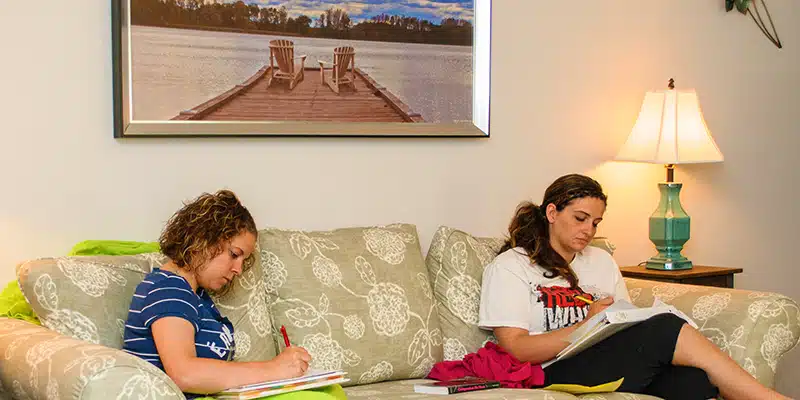
Nestled in Louisa, KY, ARC Counseling Centers is dedicated to providing specialized substance use treatment for both adults and young adults, all within a nurturing environment. The center offers a variety of programs, including intensive outpatient, long-term residential, and standard outpatient options, each designed to meet the unique needs of its clients. Utilizing a blend of methods such as 12-step facilitation, anger management, and brief intervention, ARC Counseling Centers facilitates a thorough recovery process. What truly distinguishes this facility is its individualized approach and its attentiveness to gender-specific needs. Catering to both male and female clients, the center places a strong emphasis on delivering high-quality, personalized support for individuals on their journey toward overcoming addiction.
Nestled in Louisa, KY, ARC Counseling Centers is dedicated to offering specialized substance use treatment for adult, senior, and young adult females. The center features an array of programs, including intensive outpatient, long-term residential, and outpatient options, all expertly tailored to meet individual needs. By incorporating 12-step facilitation, anger management techniques, and brief intervention strategies, ARC Counseling Centers ensures a comprehensive approach to care. What truly distinguishes this facility is its unwavering commitment to crafting personalized treatment plans, treating each client as a unique individual. If you’re in search of exceptional addiction treatment that prioritizes individualized care, ARC Counseling Centers could be the ideal partner on your recovery journey.
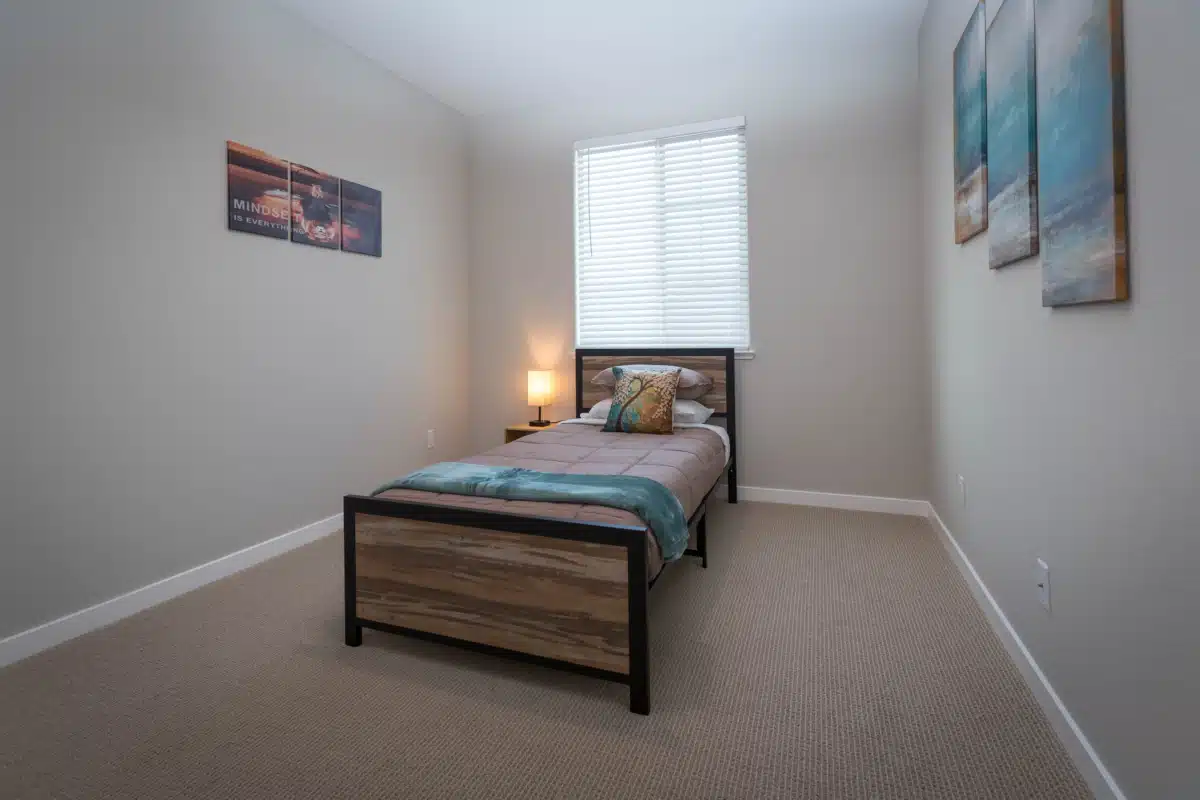
A Better Path Treatment Programs, located in Lincoln, CA, delivers exceptional substance use treatment specifically designed for adult men. The facility stands out for its specialized programs tailored not just for active duty military personnel, but also for adult men and those who have faced intimate partner violence, creating a nurturing environment focused on recovery. It caters to a diverse range of clients, including adults, seniors, and young adults, ensuring that care is personalized to meet each individual's unique needs. The program employs a variety of approaches, including 12-step facilitation, anger management, and brief intervention, all aimed at fostering holistic healing. Clients seeking long-term residential, 24-hour residential, or short-term residential treatment can look forward to receiving compassionate and effective care at this esteemed rehabilitation center.
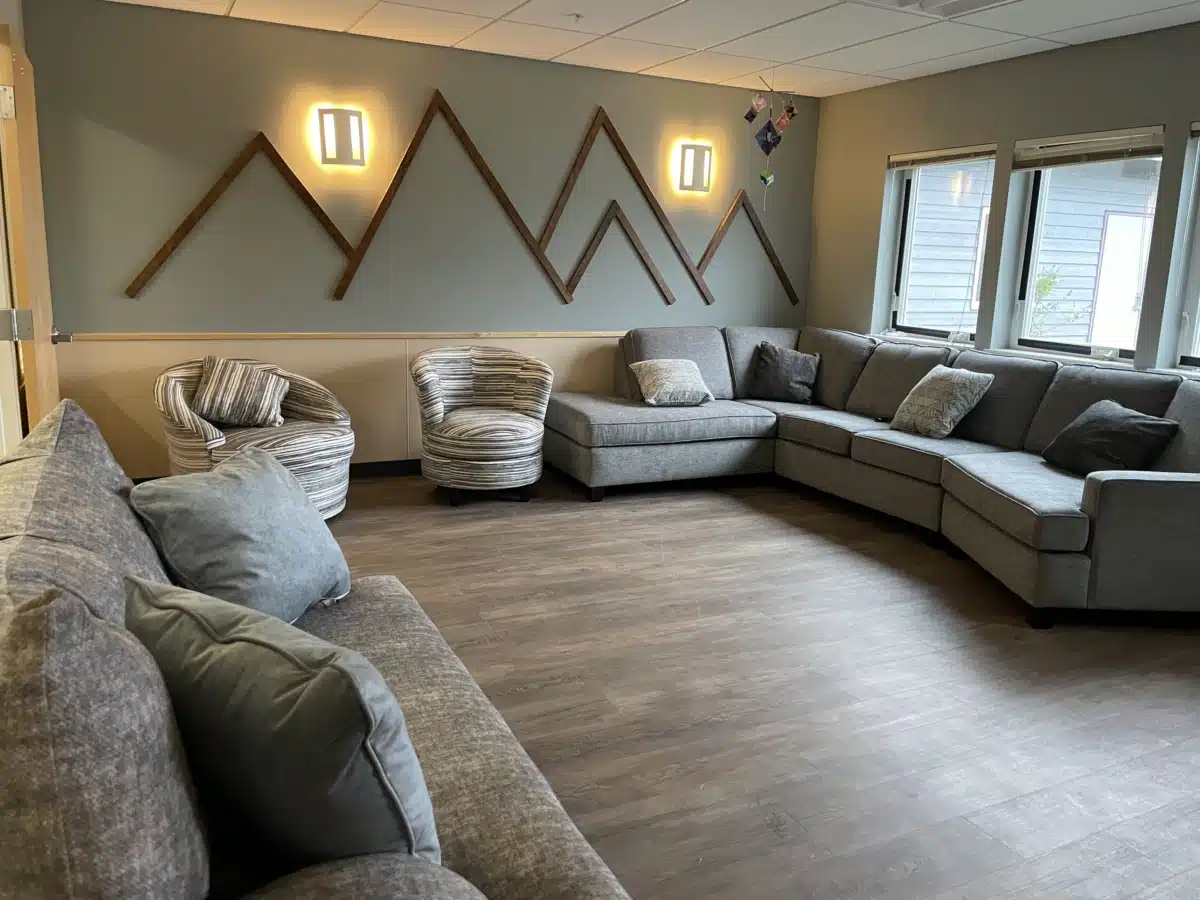
Situated in Wasilla, Alaska, AK Add Rehabilitation Services Inc provides a wide array of treatment options for those grappling with substance use disorders. The center offers intensive outpatient and long-term residential programs, along with outpatient services that employ diverse methods, including 12-step facilitation, anger management, and brief interventions. Tailored programs are available for adult men and women, as well as clients who have encountered intimate partner or domestic violence. Emphasizing the importance of addressing both substance use and co-occurring mental health disorders, this facility is dedicated to delivering personalized care and support to adults and young adults of all genders.
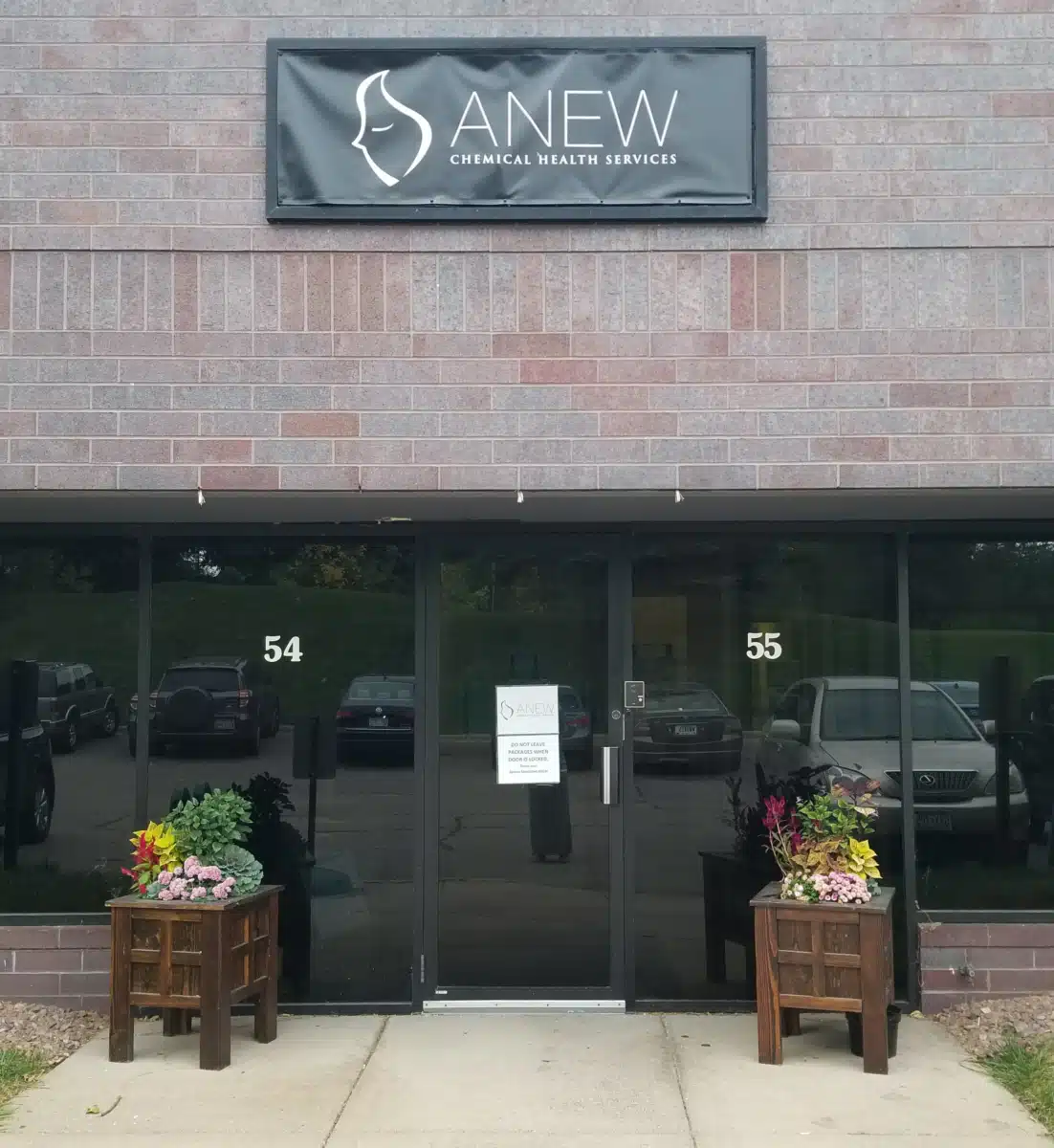
ANEW Chemical Health Services, located in Saint Paul, MN, specializes in comprehensive treatment for substance use, as well as providing essential care for individuals grappling with serious mental health issues that coexist with addiction. The facility offers a diverse range of programs, including intensive outpatient, long-term residential, and outpatient options, specifically designed for both adults and young adults. With an emphasis on various therapeutic methods such as 12-step facilitation, anger management, and cognitive behavioral therapy, ANEW delivers a distinctive approach to recovery. The center also features special programs tailored for adult women, including those who are survivors of intimate partner violence, domestic abuse, and sexual trauma. By offering gender-specific care, ANEW creates a nurturing and safe atmosphere that supports female clients in their recovery journey. Clients can look forward to receiving high-quality, personalized care that aims to guide them toward healing and lasting sobriety.
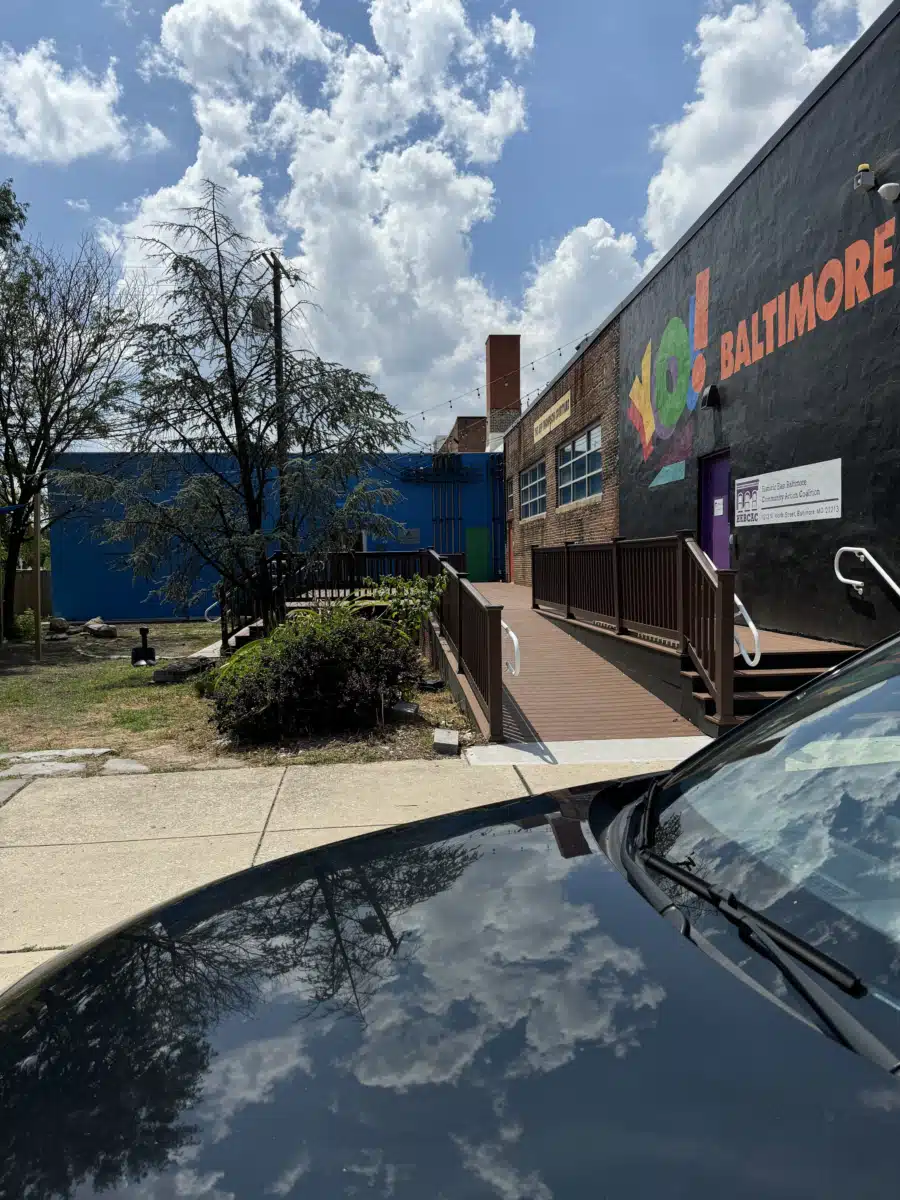
Located in Baltimore, MD, AGS Programs LLC specializes in providing rehabilitation services specifically designed for adult men in need of substance use treatment. The facility features an array of treatment options, including long-term residential care, outpatient programs, and standard outpatient treatment. Their methodology encompasses various therapeutic approaches, such as anger management, cognitive behavioral therapy, and the Matrix Model. AGS Programs LLC takes pride in addressing the needs of specific groups, including active duty military personnel, adult men, and survivors of intimate partner violence. With a commitment to serving adults, seniors, and young adults alike, this center emphasizes a comprehensive and personalized recovery experience for all male clients.
Located in Gwynn Oak, MD, AGS Programs LLC provides a diverse array of rehabilitation services specifically designed for men facing challenges related to substance use. The center offers various treatment options, including long-term residential, outpatient, and regular outpatient programs, all of which integrate cognitive behavioral therapy, anger management techniques, and the Matrix Model approach. Emphasizing specialized care, AGS Programs LLC is dedicated to serving active duty military personnel, adult men, and those who have endured intimate partner or domestic violence. This facility supports a wide demographic, encompassing adults, seniors, and young adults, creating a nurturing environment for male clients who are in search of comprehensive addiction treatment and transitional housing solutions.
Located in Baltimore, MD, AGS Programs LLC is dedicated to offering specialized addiction treatment services specifically designed for women. This comprehensive facility features a range of programs, including long-term residential and both outpatient and regular outpatient treatments. By emphasizing crucial areas such as anger management, cognitive behavioral therapy, and the Matrix Model, AGS ensures that clients receive well-rounded care. The center also recognizes the distinct needs of unique populations, providing tailored programs for active-duty military personnel, adult women, and individuals who have faced intimate partner violence. With a commitment to serving adults, seniors, and young adults, AGS Programs LLC places special focus on the needs of female clients, ensuring they receive high-quality care and effective rehabilitation strategies throughout their recovery journey.
Nestled in Tyner, Kentucky, ARC Counseling Centers is dedicated to providing specialized treatment for adult, senior, and young adult females struggling with substance use. The center offers a range of options, including intensive outpatient programs, long-term residential care, and outpatient services, all tailored to meet the unique needs of each individual. With a commitment to 12-step facilitation, anger management, and brief intervention strategies, ARC Counseling Centers delivers a well-rounded and effective treatment experience. What truly sets this facility apart is its individualized approach, which prioritizes personalized care and attention for every client. For those in search of high-quality addiction treatment within a nurturing environment, this center is passionately focused on fostering enduring recovery and overall wellness.
The 228 COE House, located in Framingham, MA, is dedicated to providing long-term residential treatment for adults dealing with substance use and serious co-occurring mental health challenges, as well as addressing significant emotional disturbances in children. The facility specializes in a variety of therapeutic approaches, including 12-step facilitation, brief intervention, and cognitive behavioral therapy, ensuring that each individual receives a personalized path to recovery. With programs specially designed for adult women and clients who have faced intimate partner violence or trauma, the center extends its services to adults, seniors, and young adults, all within a framework that prioritizes quality care in a secure and nurturing atmosphere. Exclusively focused on female clients, the 228 COE House stands out with its comprehensive and unique rehabilitation program.
Situated in Baltimore, MD, 4 2 Restore LLC specializes in rehabilitation services tailored for adult men grappling with substance use disorders. The facility offers an array of treatment options, including long-term residential care, short-term residential stays, and transitional housing, all provided within a 24-hour care environment. To ensure clients receive the most effective support, the program integrates evidence-based techniques such as 12-step facilitation, brief intervention, and cognitive behavioral therapy, promising a holistic approach to recovery. With a strong emphasis on catering to the distinct needs of adult men and seniors, this facility prioritizes quality and personalized care. Committed to empowering clients, 4 2 Restore LLC strives to guide individuals toward achieving sustained recovery.
Nestled in Belcourt, ND, the 5th Generation Healing Center presents a wide array of substance use treatment programs tailored for both adults and young adults. Offering various treatment formats—such as intensive outpatient, long-term residential, and outpatient options—this center excels in 12-step facilitation, anger management, and brief intervention strategies. Additionally, it features specialized programs designed specifically for adult men, adult women, and those who have faced intimate partner or domestic violence. By catering to the needs of both male and female clients, the center is dedicated to providing high-quality, personalized care aimed at guiding individuals along their journeys to recovery.
Located in Baltimore, MD, AKT Healthcare Inc delivers a wide range of rehabilitation services aimed at assisting adults and seniors who are facing challenges with substance use, as well as co-occurring mental health disorders. The facility takes pride in its long-term residential care, which includes detoxification and round-the-clock support, all rooted in evidence-based methods such as 12-step facilitation and anger management. Additionally, it offers specialized programs designed to meet the unique needs of adolescents and those who have survived intimate partner violence, domestic violence, and sexual abuse. With a commitment to crafting individualized treatment plans, AKT Healthcare Inc provides tailored care for both male and female clients alike. You can expect compassionate and effective treatment at this esteemed rehabilitation center, where your recovery journey truly matters.
Nestled in Kingston Springs, TN, ARCH Academy stands out for its comprehensive substance use treatment designed specifically for adult males, all within a nurturing environment. The center features a variety of programs, including intensive outpatient, long-term residential, and outpatient options, which draw on diverse methodologies such as 12-step facilitation, anger management, and brief intervention techniques. While ARCH Academy excels in providing care for adolescents, it also extends its services to children, seniors, and adults. The facility prioritizes quality care through personalized treatment plans, reflecting its unwavering commitment to guiding clients toward lasting recovery. If you or someone close to you is in search of specialized addiction treatment in a gender-specific setting, explore what ARCH Academy has to offer for a customized rehabilitation journey.
About Long-term Residential
Santa Cruz Drug Rehab connects you with long-term residential programs that provide the extended care and life skills development many individuals need for lasting recovery.
Why Longer Treatment Works
Research from the National Institute on Drug Abuse consistently shows that longer treatment durations produce better outcomes. While 30-day programs can be effective for some, many individuals—especially those with severe addiction, trauma histories, or lack of stable housing—benefit from 90 days to a year of residential care.
What Long-Term Programs Offer
- Extended time to address deep-rooted issues and trauma
- Life skills training (budgeting, cooking, employment skills)
- Educational and vocational opportunities
- Development of stable recovery habits
- Gradual increase in independence and responsibility
- Strong peer community and lasting connections
- Comprehensive aftercare planning
Therapeutic Community Model
Many long-term programs use the therapeutic community model, where residents take increasing responsibility for daily operations and support one another's recovery. This approach builds accountability, social skills, and healthy relationships.
Who Benefits Most
- Those with chronic relapse patterns
- Individuals with extensive trauma histories
- People lacking stable housing or support
- Those with long-term or severe addiction
- Criminal justice-involved individuals
Explore long-term residential options in our directory.