Medication-Assisted Treatment (MAT) Treatment Centers
Medication-assisted treatment programs combine FDA-approved medications—buprenorphine (Suboxone, Sublocade), methadone (Dolophine), and naltrexone (Vivitrol, ReVia)—with counseling and behavioral therapies. SAMHSA data shows MAT reduces opioid overdose deaths by 50% and all-cause mortality by more than 50%. NIDA endorses MAT as the gold standard for opioid use disorder treatment. Since the 2023 Consolidated Appropriations Act eliminated the X-waiver requirement, any DEA-licensed prescriber can now prescribe buprenorphine, expanding access to medication-assisted treatment programs nationwide. Santa Cruz Drug Rehab connects individuals with certified MAT providers offering comprehensive, evidence-based care.
Found 6,112 treatment centers offering medication-assisted treatment (mat) across the United States.
Ready to Start Your Recovery Journey?
Our specialists will match you with the right center — 100% free
Showing 20 of 6112 medication-assisted treatment (mat) treatment centers

Located in Gilbert, AZ, the 2nd Chance Treatment Center specializes in providing comprehensive outpatient services designed for individuals striving to overcome substance use disorders as well as co-occurring mental health challenges. With an emphasis on brief interventions, cognitive behavioral therapy, and motivational interviewing, this center caters to a diverse population, offering tailored programs specifically for active duty military personnel, adolescents, and adult men. Treatment plans are carefully crafted to meet the needs of adults, children, and young adults, ensuring gender-specific care for both males and females. Among the services available are detoxification, outpatient programs for substance use treatment, and options for outpatient methadone, buprenorphine, or naltrexone treatment. At 2nd Chance Treatment Center, you'll find a commitment to compassionate and effective care, guiding you on your journey toward recovery.
At the 2nd Chance Treatment Center in Phoenix, AZ, individuals seeking recovery from substance use disorders and co-occurring mental health challenges will find an extensive array of outpatient services. This facility stands out by offering specialized programs tailored for active duty military personnel, as well as adolescents and adult men, ensuring support for adults and young adults of all genders. With a focus on high-quality care, the center employs evidence-based methods such as cognitive behavioral therapy and motivational interviewing, adapting its approach to meet the unique needs of each client. Among the services provided are detoxification, outpatient treatment, and options for methadone, buprenorphine, or naltrexone treatment. Ultimately, the 2nd Chance Treatment Center is committed to empowering clients on their journeys toward lasting sobriety and emotional well-being.
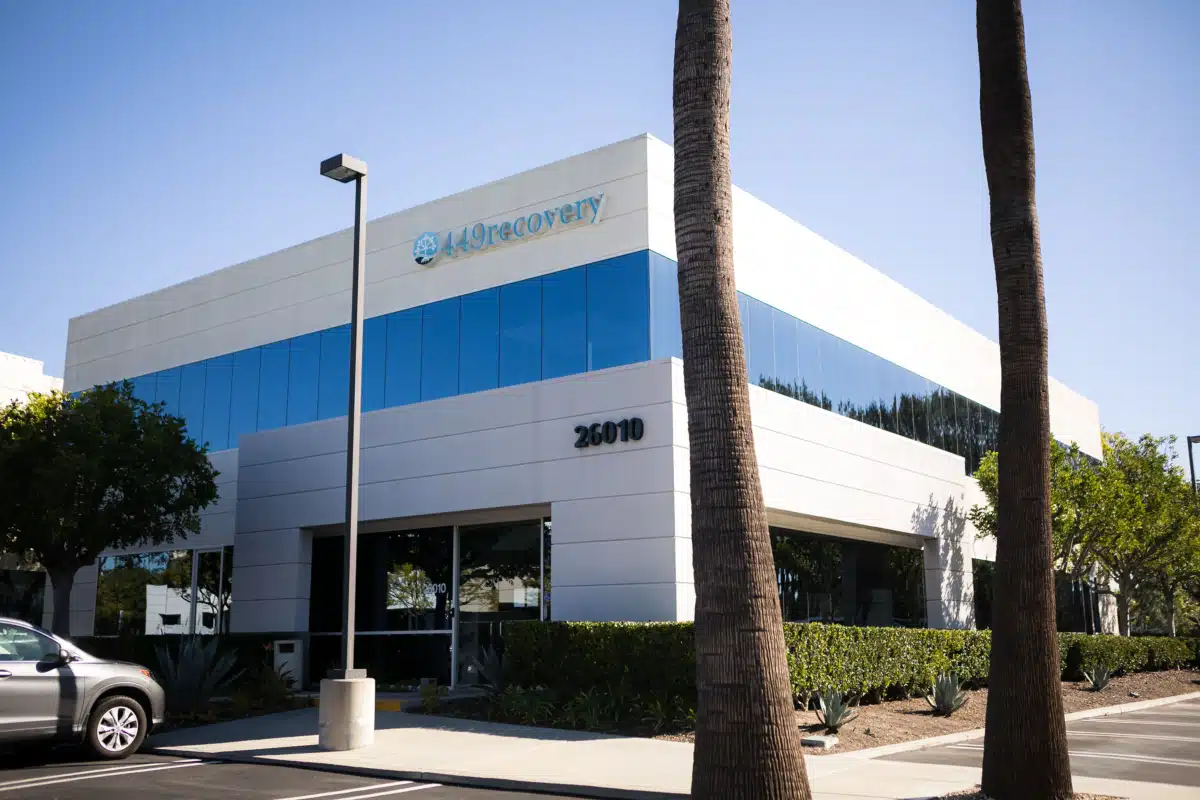
Nestled in Mission Viejo, CA, 449 Recovery provides targeted substance use treatment designed for adults grappling with severe mental health disorders, as well as emotional disturbances in children. This center offers a range of services, including intensive outpatient treatment, outpatient day treatment, and partial hospitalization. With a strong emphasis on 12-step facilitation, anger management, and brief intervention techniques, the facility is equipped to support both men and women, including those who have faced intimate partner or domestic violence. By catering to individuals of all genders, 449 Recovery is committed to delivering personalized care and support for adults and young adults seeking thorough rehabilitation services in a safe, compassionate setting.
Located in Springfield, MO, A and M Recovery LLC offers a diverse array of substance use treatment programs designed to address the specific needs of adult men and women. The facility features a variety of treatment options, including intensive outpatient, outpatient, and regular outpatient programs. With an emphasis on cognitive behavioral therapy, anger management, and brief intervention strategies, A and M Recovery LLC is committed to delivering personalized care for clients in search of assistance. Additionally, the facility provides specialized programs aimed at supporting individuals who have faced intimate partner violence or domestic violence. Catering to both adults and young adults of all genders, A and M Recovery LLC is steadfast in its mission to deliver high-quality rehabilitation services that foster enduring recovery.
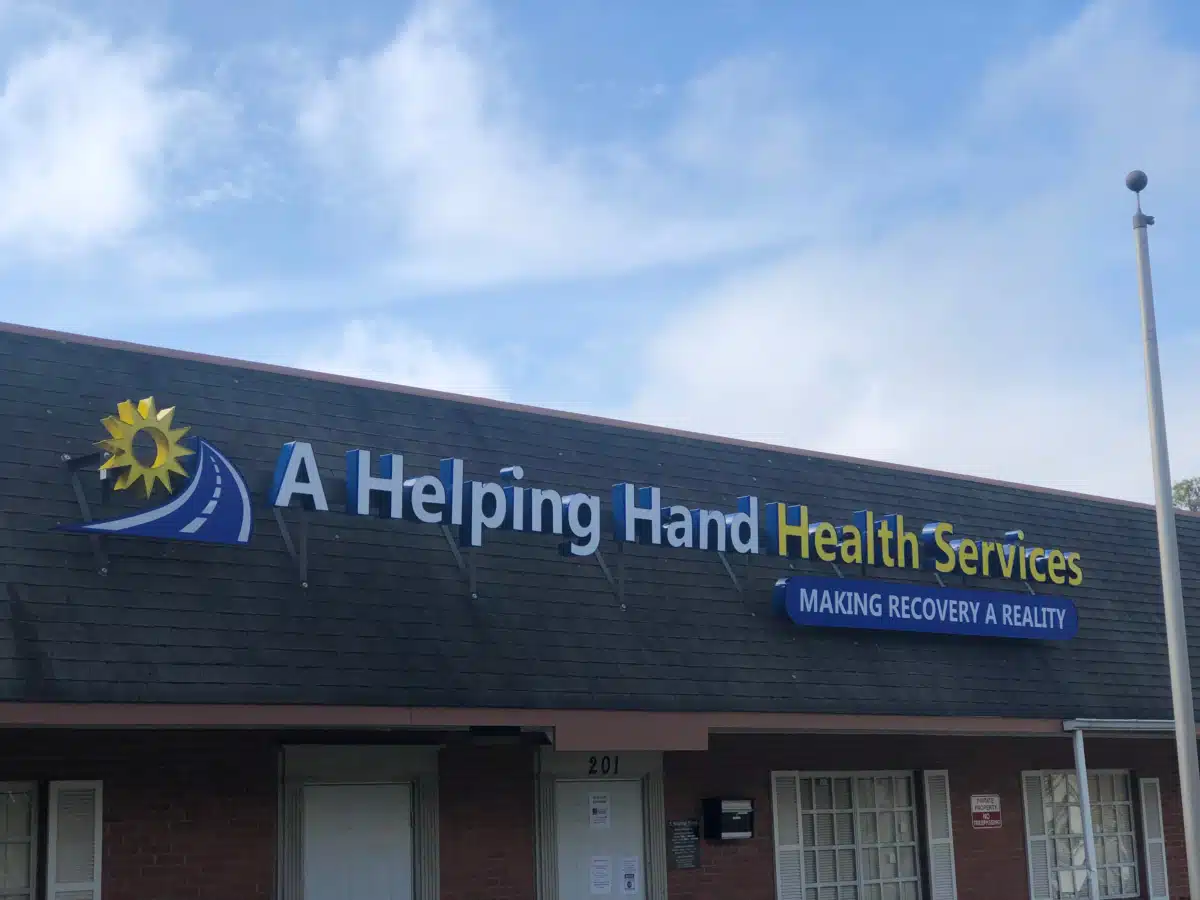
A Helping Hand Health Services LLC, situated in Pikesville, MD, specializes in tailored substance use treatment programs. The facility offers a range of options including intensive outpatient treatment, outpatient care, and outpatient services for methadone/buprenorphine or naltrexone. By employing techniques such as cognitive behavioral therapy, contingency management and motivational incentives, as well as motivational interviewing, the center customizes its approach to meet the unique needs of each individual. With a dedicated focus on both adults and young adults of all genders, A Helping Hand Health Services ensures that every client receives a personalized experience. Committed to delivering high-quality care and unwavering support, the center plays a vital role for those on their journey to recovery from substance use disorders.
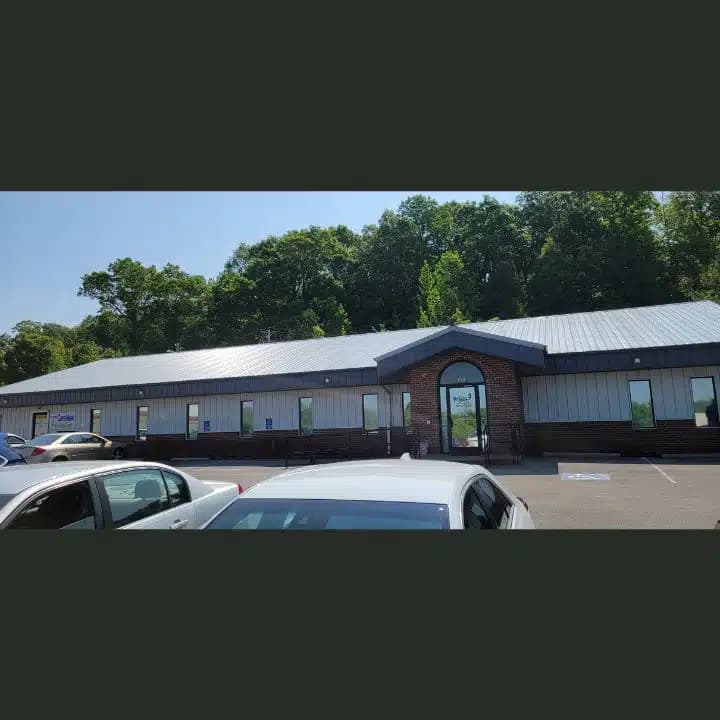
A New Start II LLC, situated in Central City, KY, offers a wide range of outpatient rehabilitation services designed specifically for adults and young adults eager to embark on a new journey away from substance use disorders and co-occurring mental health challenges. This facility specializes in detoxification and substance use treatment, providing individualized care for those grappling with significant emotional disturbances. Emphasizing personalized treatment plans, the center features outpatient detoxification alongside medication-assisted therapies that incorporate methadone, buprenorphine, or naltrexone. Their approach is grounded in evidence-based practices, including 12-step facilitation, anger management, and brief interventions to bolster recovery. Moreover, A New Start II LLC is committed to fostering a supportive and gender-sensitive healing atmosphere by offering separate programs tailored for male and female clients.
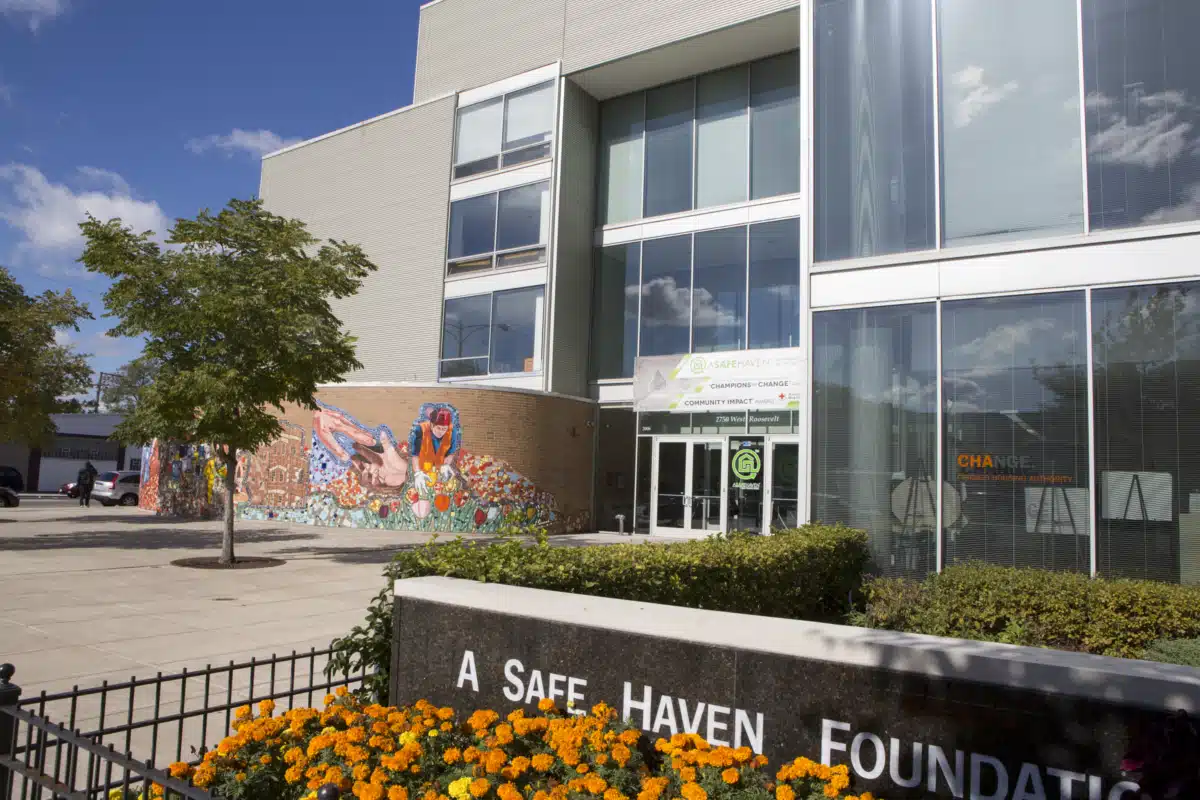
Nestled in the heart of Chicago, IL, "A Safe Haven" is committed to offering an extensive array of substance use treatment services. This facility delivers outpatient programs that include methadone, buprenorphine, or naltrexone treatment, alongside regular outpatient care, specifically designed for adult women grappling with substance use disorders and concurrent serious mental health issues. Emphasizing methodologies such as 12-step facilitation, anger management, and brief interventions, the center serves a diverse clientele that encompasses adults, seniors, and young adults alike. Notably, the facility also features specialized programs for those who have endured intimate partner violence, domestic violence, and sexual abuse. With a steadfast dedication to quality care, "A Safe Haven" aims to support individuals on their unique journeys toward recovery.
Located in Indio, CA, ABC Recovery Center Inc specializes in comprehensive treatment for substance use issues, alongside transitional housing options that include halfway houses and sober living homes. The center emphasizes intensive outpatient treatment within a nurturing environment, employing a variety of effective strategies such as 12-step facilitation, anger management, and cognitive behavioral therapy. With special programs designed to support adult men and women, as well as individuals who have faced intimate partner or domestic violence, this facility is dedicated to serving adults and young adults of all genders. By providing high-quality care tailored to each person's unique needs, ABC Recovery Center Inc stands out as an invaluable resource for anyone seeking effective solutions for addiction recovery.
ABC Recovery Center Inc, located in Indio, CA, provides a wide range of addiction treatment services that encompass detoxification, substance use therapy, and transitional housing options. This facility emphasizes long-term residential care, offering around-the-clock support to ensure clients receive comprehensive assistance. By integrating evidence-based strategies such as cognitive behavioral therapy and 12-step facilitation, ABC Recovery Center fosters a nurturing environment. Special programs are designed for both adult men and women, including those who have faced intimate partner violence. With a strong focus on anger management and tailored care, the center aids adults and young adults of all genders in their recovery journeys. ABC Recovery Center Inc remains steadfast in its commitment to delivering high-quality, personalized care, guiding clients towards a path of lasting sobriety.
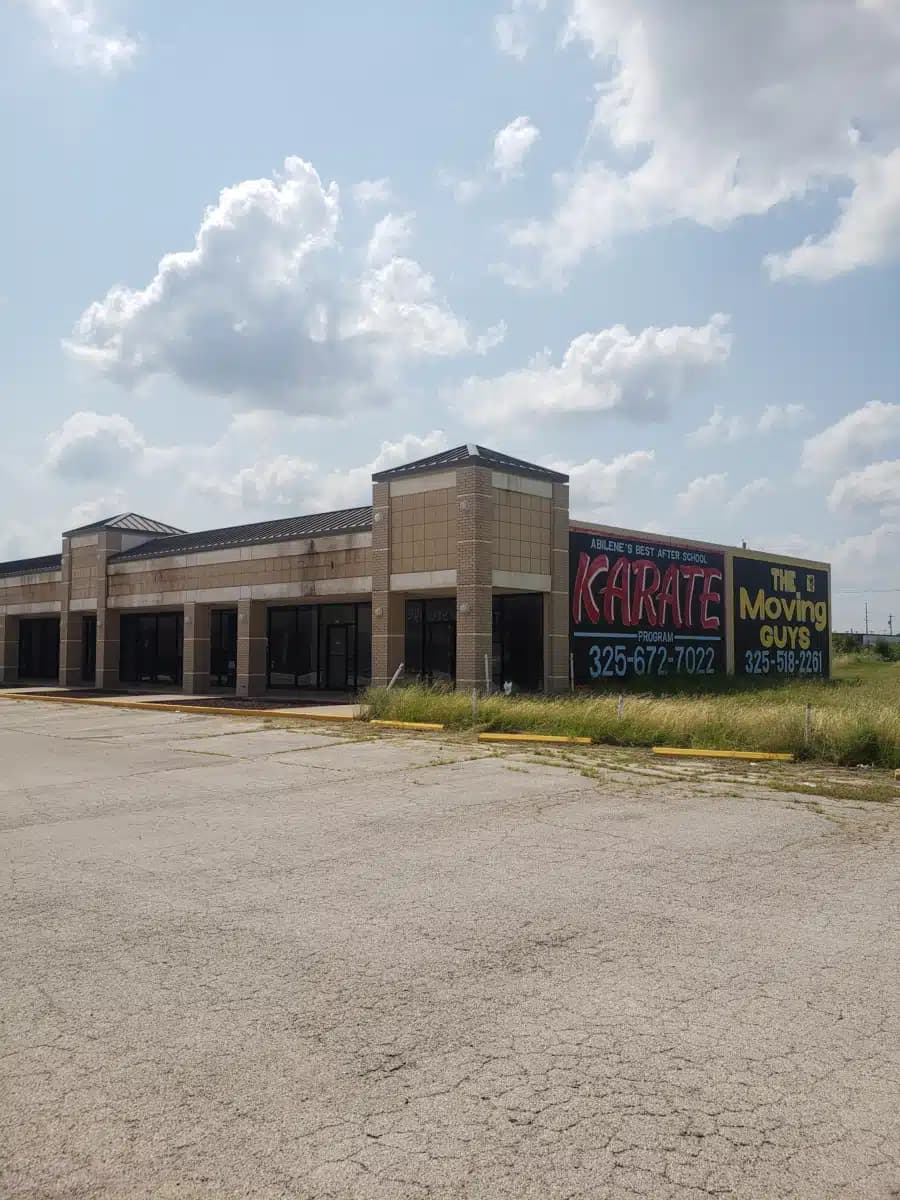
Situated in Abilene, TX, Abilene Absolute Recovery Solutions provides a wide range of outpatient substance use treatment programs designed for adult men and women, with a welcoming approach to those who have faced intimate partner violence. The center excels in outpatient therapy options, including methadone, buprenorphine, or naltrexone treatments, while seamlessly integrating evidence-based methodologies, such as 12-step facilitation, cognitive behavioral therapy, and contingency management alongside motivational incentives. Focused on delivering high-quality care tailored to each individual’s unique needs, this facility caters to both adults and young adults of all genders, fostering a nurturing environment conducive to recovery and personal healing.
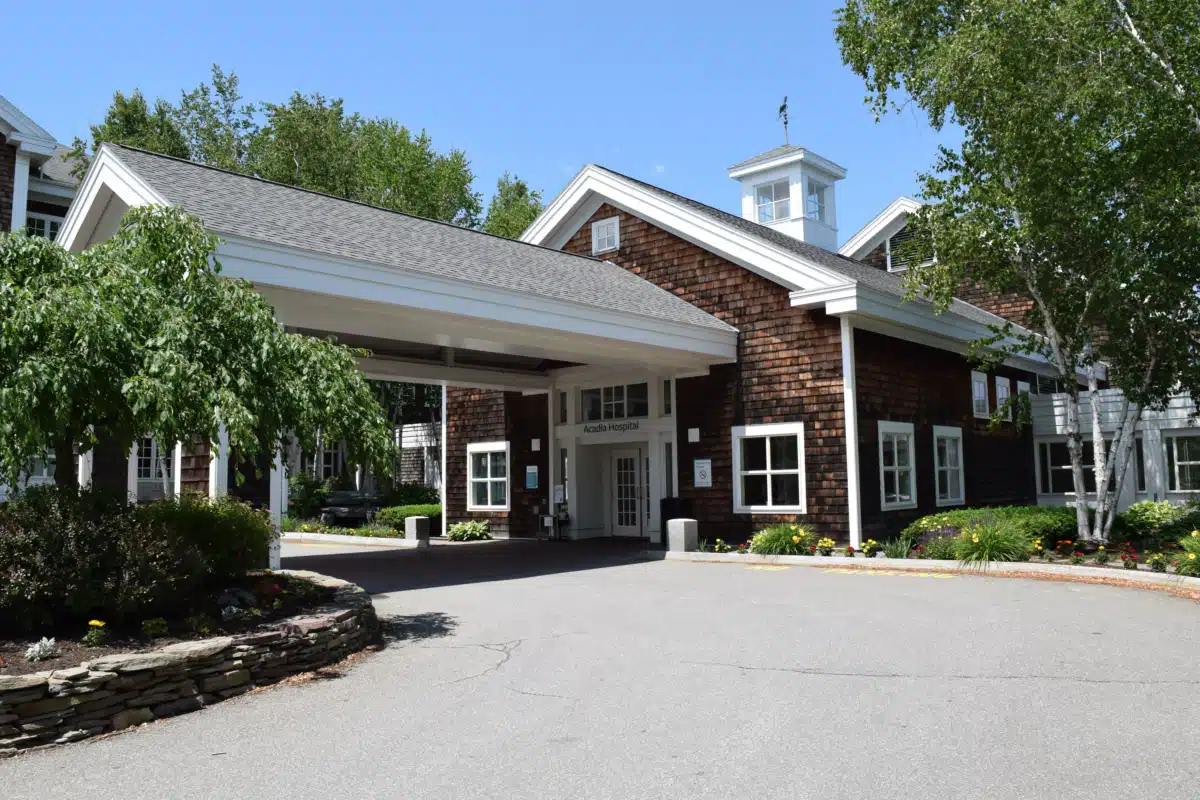
Acadia Hospital, located in Bangor, ME, provides a range of specialized rehabilitation services aimed at addressing both substance use and co-occurring mental health challenges. Its comprehensive offerings include intensive outpatient and outpatient programs designed specifically for adults grappling with significant emotional disturbances or mental health disorders. The treatment approaches utilized here encompass anger management, cognitive behavioral therapy, and the Matrix Model method, among others. Notably, the center features unique programs that cater to both adult men and women, as well as those who have experienced trauma. With a keen emphasis on care for adults and young adults, Acadia Hospital also offers gender-specific support, ensuring that both males and females receive the attention they need. Committed to delivering high-quality care, the facility focuses on developing personalized treatment plans that empower individuals on their journey to recovery.
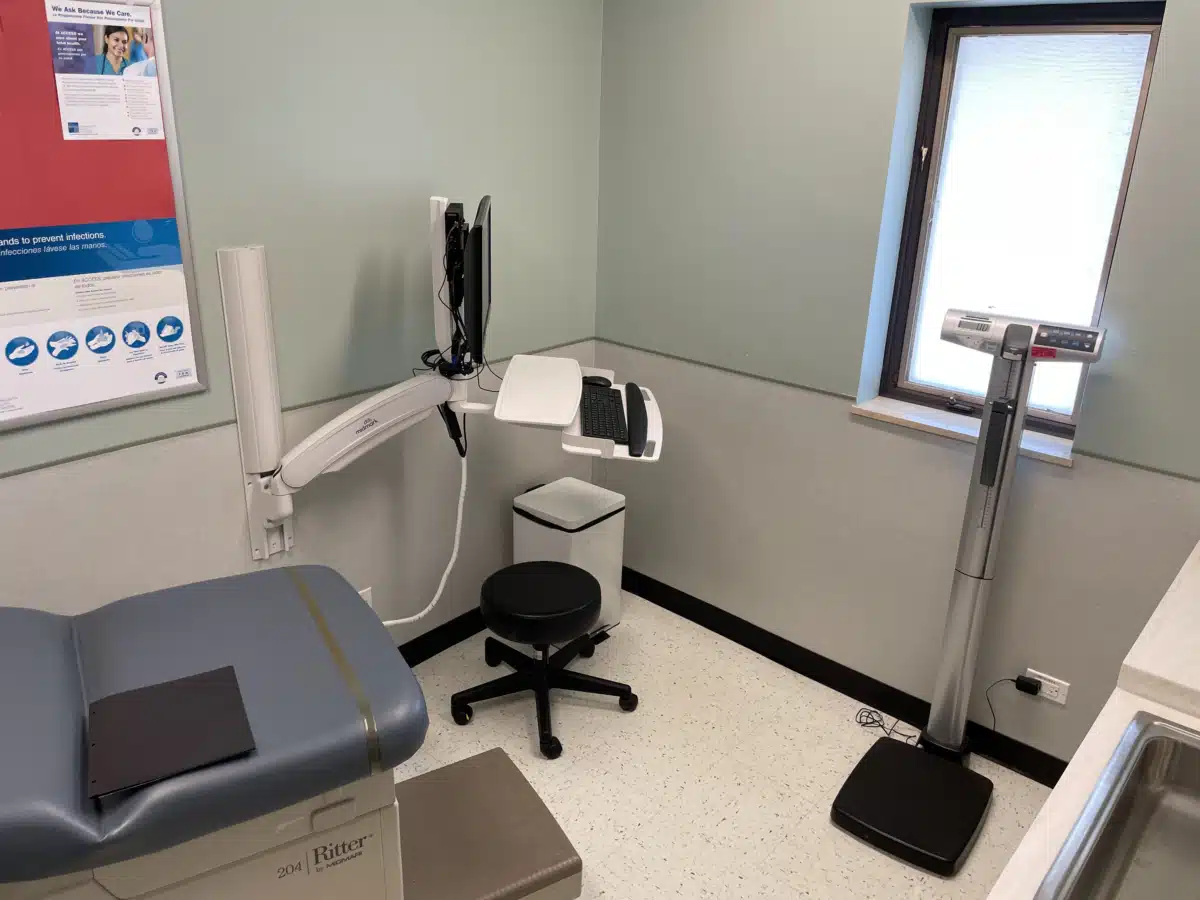
Access Blue Island Family Health Center, located in Blue Island, IL, provides vital outpatient treatment for adults and young adults grappling with both substance use disorders and serious mental health challenges. The center takes pride in its specialized programs designed for adult men and women, as well as for clients living with HIV or AIDS, ensuring that the care offered is tailored to meet a variety of unique needs. Among the treatment approaches utilized are brief interventions, counseling focused on substance use disorders, and outpatient therapies involving methadone, buprenorphine, or naltrexone. By emphasizing quality care and personalized support, this facility creates a welcoming atmosphere for male and female clients alike, all in pursuit of effective rehabilitation programs.
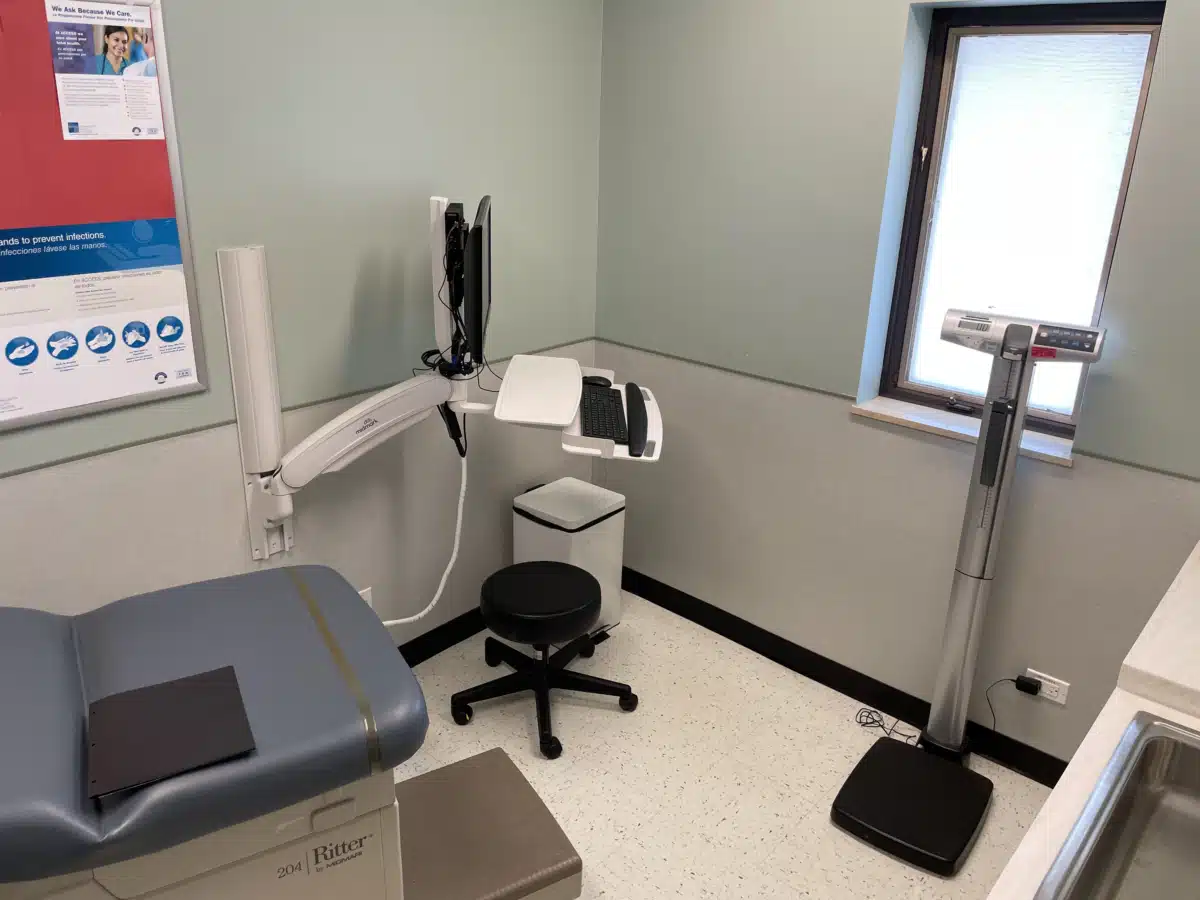
ACCESS Blue Island Medical Center, located in Blue Island, IL, specializes in outpatient substance use treatment tailored for adults grappling with serious mental health challenges, as well as for children facing emotional disturbances. The program features a variety of interventions, including cognitive behavioral therapy and the Matrix Model, all aimed at delivering comprehensive care. Additionally, there are specialized programs designed for both men and women and for clients living with HIV or AIDS. With a strong focus on supporting young adults, this facility cultivates a nurturing environment conducive to recovery. By offering outpatient treatments with options like methadone, buprenorphine, or naltrexone, ACCESS Blue Island Medical Center ensures that care is personalized, catering to the unique needs of both male and female clients.
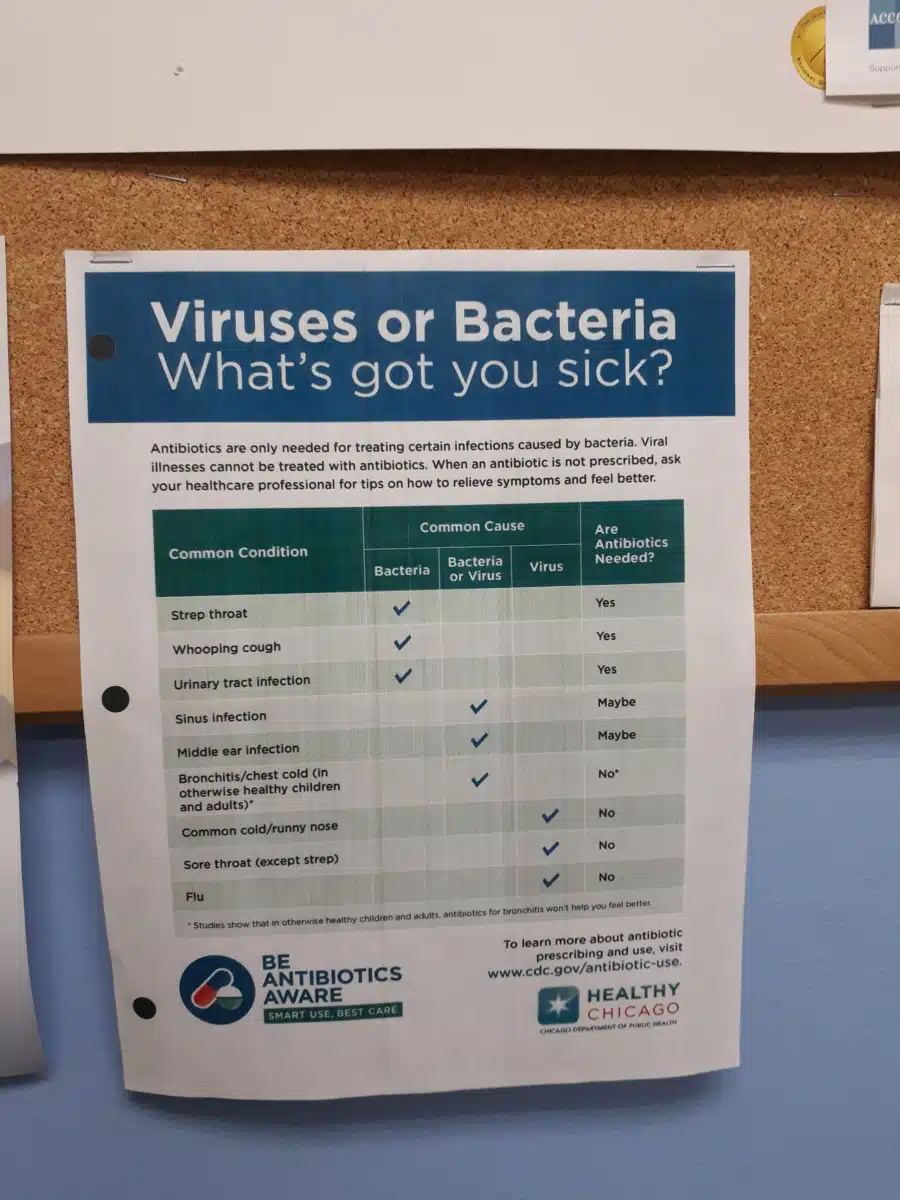
Access Booker Family Health Center, located in Chicago, IL, specializes in outpatient substance use treatment specifically designed for adults who are grappling with co-occurring serious mental health conditions or emotional disturbances in children. This facility delivers targeted programs for both adult men and women, as well as for clients living with HIV or AIDS. Among the treatment modalities offered are brief interventions, cognitive behavioral therapy, and the Matrix Model, all aimed at addressing a variety of needs. The center caters to adults and young adults across all genders, providing outpatient services that include methadone or buprenorphine, as well as naltrexone treatment, alongside standard outpatient care. Ultimately, Access Booker Family Health Center is committed to delivering high-quality care and comprehensive support for individuals seeking rehabilitation services in the Chicago area.
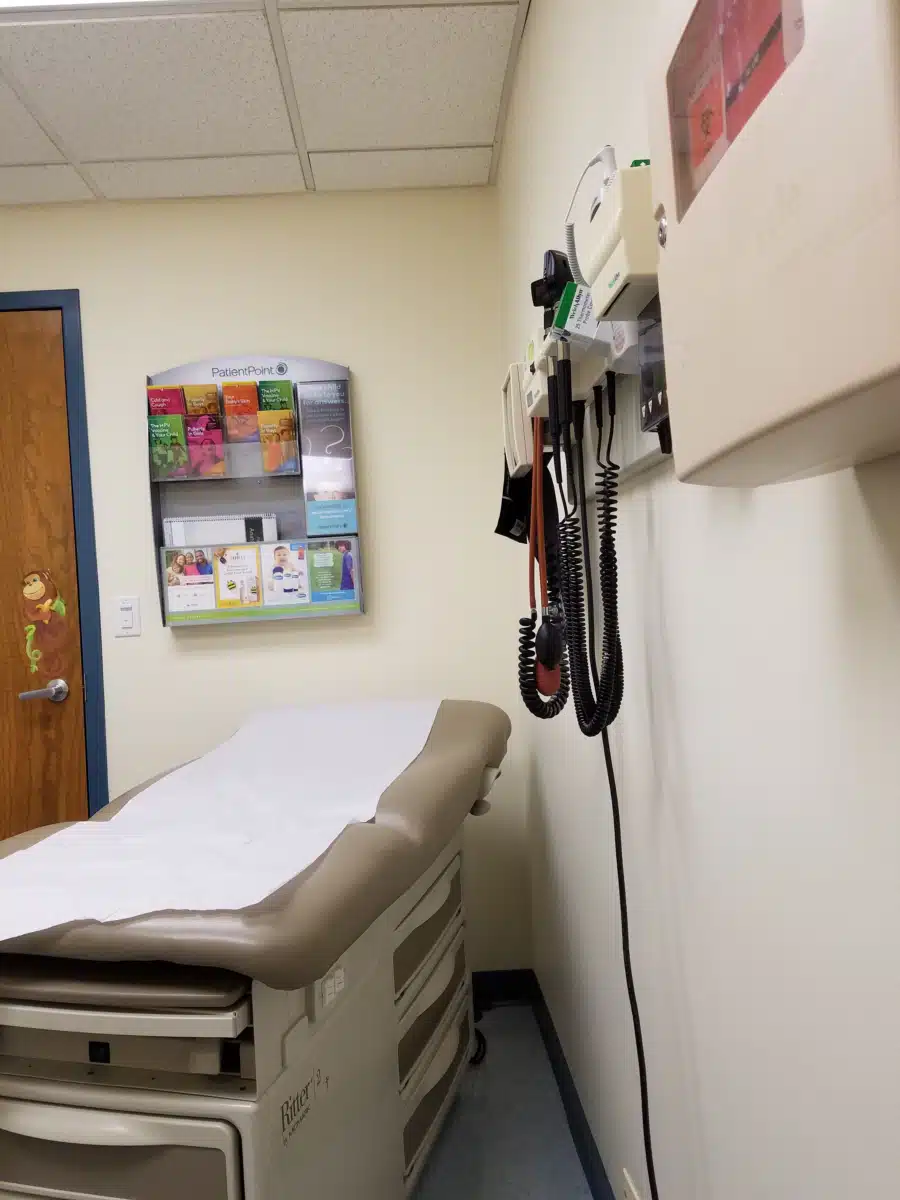
Access Genesis Center for Health, located in Des Plaines, IL, provides outpatient treatment that focuses on addressing substance use issues alongside co-occurring serious mental health challenges in adults, as well as emotional disturbances in children. The center employs a variety of therapeutic approaches, such as brief interventions, cognitive behavioral therapy, and the Matrix Model, ensuring a multifaceted strategy for recovery. With specialized programs designed for adult men and women, as well as clients living with HIV or AIDS, this facility truly accommodates a wide array of needs. Catering to both adults and young adults of all genders, Access Genesis Center is committed to delivering high-quality care within a nurturing environment. Those seeking outpatient options—whether it’s methadone, buprenorphine, naltrexone treatment, or general outpatient services—will discover comprehensive support tailored to fit their individual situations.
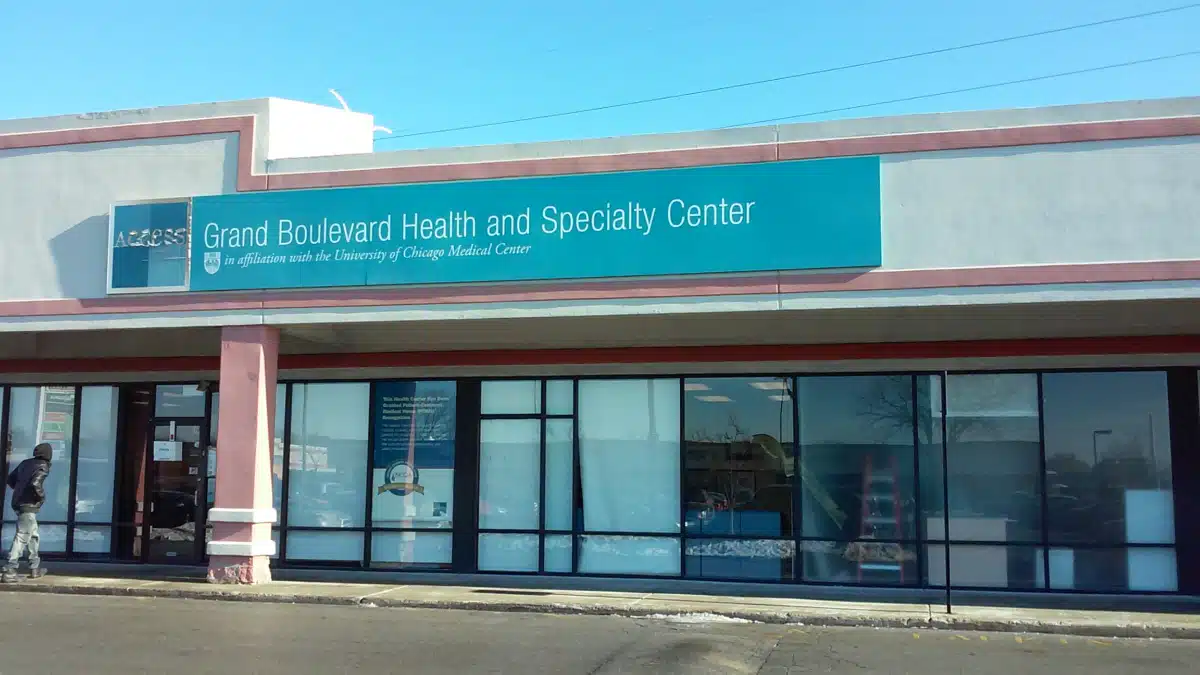
Access Grand Boulevard Family Health, located in Chicago, IL, specializes in outpatient substance use treatment designed for both adults and children facing co-occurring mental health challenges. Their program embraces a variety of therapeutic methods, such as cognitive behavioral therapy and motivational interviewing, ensuring a comprehensive approach to care. They also offer specialized programs tailored for adult men, adult women, and clients living with HIV or AIDS. With a commitment to personalized care, this facility provides targeted services for both adults and young adults alike. Treatment choices encompass outpatient options, including methadone, buprenorphine, and naltrexone. Access Grand Boulevard Family Health stands firm in its mission to deliver high-quality rehabilitation services within a nurturing environment, supporting individuals on their journey to recovery.
Located in Delray Beach, FL, Access Recovery Solutions provides tailored outpatient substance use treatment for both adults and young adults. The center specializes in a range of options, including outpatient methadone, buprenorphine, and naltrexone therapies, as well as regular outpatient programs and specialized services designed for those who have faced trauma. With an emphasis on 12-step facilitation, anger management, and brief intervention strategies, the facility serves clients of all genders. At Access Recovery Solutions, the commitment to delivering quality care shines through, with individualized treatment plans that aim to empower individuals on their path to recovery from addiction.
Located in Martins Ferry, OH, Access Residential offers a full range of addiction treatment services designed for both adults and young adults. The center specializes in detoxification, substance use treatment, and targeted care for those grappling with co-occurring substance use and significant mental health challenges in adults, as well as serious emotional disturbances in children. With a variety of treatment formats available—including intensive outpatient, long-term residential, and outpatient options—individuals can find a care regimen that suits their unique needs. The center's methodology integrates techniques such as 12-step facilitation, anger management, and brief interventions. What truly sets Access Residential apart is its commitment to delivering individualized programs, ensuring that each client receives the personalized attention they deserve. Catering to both male and female clients, this facility places a strong emphasis on quality care and achieving effective treatment results.
Located in Waterloo, IA, Access Wellness and Recovery Center provides an extensive range of outpatient programs designed to address substance use and co-occurring disorders in both adults and children. This facility takes pride in offering specialized treatments, which include outpatient options for methadone, buprenorphine, or naltrexone, alongside essential services like 12-step facilitation, anger management, and brief interventions. With a steadfast commitment to delivering high-quality care, the center serves male and female clients from diverse backgrounds, including those navigating the criminal justice system. What truly sets Access Wellness and Recovery Center apart is its personalized approach to tackling substance abuse and mental health challenges, positioning it as an outstanding choice for individuals in search of effective rehabilitation services.

Nestled in Colorado Springs, CO, Achieve Whole Recovery delivers a wide range of outpatient services aimed at detoxification, substance use treatment, and addressing co-occurring disorders for both adults and children. This facility is equipped to provide outpatient detoxification and offers treatments such as methadone and buprenorphine, alongside specialized care for individuals grappling with significant mental health challenges. To guide clients on their recovery journeys, the program implements evidence-based methods like 12-step facilitation, motivational interviewing, and brief interventions. With an emphasis on creating personalized treatment plans, Achieve Whole Recovery serves individuals of all genders, including adults and seniors. Here, you'll find a compassionate atmosphere that fosters quality care and personalized support, all while promoting comprehensive healing for the whole person.
About Medication-Assisted Treatment (MAT)
Medication-assisted treatment programs reduce opioid overdose deaths by 50% and all-cause mortality by more than 50%, according to SAMHSA. Santa Cruz Drug Rehab connects you with SAMHSA-certified MAT providers offering FDA-approved medications combined with evidence-based counseling for opioid and alcohol use disorders.
NIDA Endorses MAT as the Gold Standard
The National Institute on Drug Abuse (NIDA) endorses medication-assisted treatment programs as the gold standard for opioid use disorder. SAMHSA data confirms MAT reduces illicit opioid use, criminal activity, and infectious disease transmission while improving treatment retention, social functioning, and birth outcomes for pregnant women. Treatment retention rates vary by medication: methadone retains 50-70% of patients at one year, buprenorphine 40-60%, and injectable naltrexone 30-40%.
FDA-Approved MAT Medications for Opioid Use Disorder
Three FDA-approved medication classes target opioid use disorder through distinct mechanisms of action:
- Buprenorphine (Suboxone, Sublocade, Subutex): A partial opioid agonist that binds opioid receptors with a ceiling effect, reducing cravings and withdrawal symptoms without producing euphoria at prescribed doses. Available as sublingual film, tablet, or monthly Sublocade injection. Since the 2023 Consolidated Appropriations Act eliminated the X-waiver requirement, any DEA-licensed prescriber can now prescribe buprenorphine, greatly expanding access to medication-assisted treatment programs.
- Methadone (Dolophine): A full opioid agonist administered through SAMHSA-certified Opioid Treatment Programs (OTPs) under 42 CFR Part 8 regulations. Effective for severe opioid use disorder with the highest retention rates (50-70% at one year). Requires daily supervised dosing initially, with take-home privileges earned over time.
- Naltrexone (Vivitrol, ReVia): An opioid antagonist that completely blocks opioid receptors, preventing any euphoric effect. Available as oral ReVia (50mg daily) or extended-release Vivitrol injection (380mg intramuscularly monthly). Requires full opioid detoxification before initiation to avoid precipitated withdrawal.
FDA-Approved MAT Medications for Alcohol Use Disorder
Three FDA-approved medications treat alcohol use disorder through complementary pharmacological pathways:
- Naltrexone (oral 50mg daily or Vivitrol 380mg IM monthly): Blocks opioid receptors in the brain's reward pathway, reducing alcohol cravings and the reinforcing effects of drinking. The COMBINE Study demonstrated naltrexone's efficacy when paired with medical management.
- Acamprosate (Campral, 666mg three times daily): Restores balance to GABA and glutamate neurotransmitter systems disrupted by chronic alcohol use, reducing post-acute withdrawal symptoms like insomnia, anxiety, and dysphoria.
- Disulfiram (Antabuse, 250-500mg daily): Inhibits aldehyde dehydrogenase, causing an aversive reaction (nausea, flushing, headache) when alcohol is consumed. Most effective under supervised administration.
MAT Is Not "Replacing One Drug with Another"
A common misconception is that medication-assisted treatment programs substitute one addiction for another. In reality, MAT medications are carefully dosed to normalize brain chemistry, prevent withdrawal, and reduce cravings without producing intoxication. Patients on stable MAT regimens can function normally, maintain employment, care for families, and fully engage in therapy and recovery activities. All substance use disorder treatment records receive enhanced confidentiality protections under 42 CFR Part 2, which restricts disclosure beyond standard HIPAA requirements.
Comprehensive Medication-Assisted Treatment Programs
Medication alone is not sufficient. Santa Cruz Drug Rehab lists MAT providers that combine pharmacotherapy with cognitive behavioral therapy, motivational interviewing, peer support groups, and wraparound services including case management and vocational support. Browse our treatment center directory to find comprehensive medication-assisted treatment programs near you.