12-Step Programs Treatment Centers
12-Step Programs, founded by Bill Wilson and Dr. Bob Smith in 1935 as Alcoholics Anonymous (AA), remain the most widely used peer support model in addiction treatment. With over 2 million AA members across 180+ countries and additional fellowships like Narcotics Anonymous (NA, est. 1953), the 12-step model guides participants through admission of powerlessness, moral inventory, amends, and spiritual awakening. A 2020 Cochrane Review confirmed AA and Twelve-Step Facilitation (TSF) are at least as effective as other treatments, with superior outcomes for continuous abstinence.
Found 12,034 treatment centers offering 12-step programs across the United States.
Ready to Start Your Recovery Journey?
Our specialists will match you with the right center — 100% free
Showing 20 of 12034 12-step programs treatment centers
2nd Chance Mental Health Center, located in Port Saint Lucie, FL, specializes in providing intensive outpatient and outpatient treatment for both substance use and co-occurring mental health issues affecting adults and children alike. Their tailored programs are designed specifically for clients grappling with dual diagnoses. At the center, a variety of evidence-based approaches are utilized—ranging from anger management and brief interventions to cognitive behavioral therapy—ensuring a comprehensive support system. Catering to individuals of all genders, the facility is committed to delivering high-quality care that empowers those on their journey to recovery. If you're in search of holistic treatment that addresses both substance use and mental health challenges, look no further; 2nd Chance Mental Health Center stands ready to assist you in finding your way to healing.

Located in Gilbert, AZ, the 2nd Chance Treatment Center specializes in providing comprehensive outpatient services designed for individuals striving to overcome substance use disorders as well as co-occurring mental health challenges. With an emphasis on brief interventions, cognitive behavioral therapy, and motivational interviewing, this center caters to a diverse population, offering tailored programs specifically for active duty military personnel, adolescents, and adult men. Treatment plans are carefully crafted to meet the needs of adults, children, and young adults, ensuring gender-specific care for both males and females. Among the services available are detoxification, outpatient programs for substance use treatment, and options for outpatient methadone, buprenorphine, or naltrexone treatment. At 2nd Chance Treatment Center, you'll find a commitment to compassionate and effective care, guiding you on your journey toward recovery.
At the 2nd Chance Treatment Center in Phoenix, AZ, individuals seeking recovery from substance use disorders and co-occurring mental health challenges will find an extensive array of outpatient services. This facility stands out by offering specialized programs tailored for active duty military personnel, as well as adolescents and adult men, ensuring support for adults and young adults of all genders. With a focus on high-quality care, the center employs evidence-based methods such as cognitive behavioral therapy and motivational interviewing, adapting its approach to meet the unique needs of each client. Among the services provided are detoxification, outpatient treatment, and options for methadone, buprenorphine, or naltrexone treatment. Ultimately, the 2nd Chance Treatment Center is committed to empowering clients on their journeys toward lasting sobriety and emotional well-being.
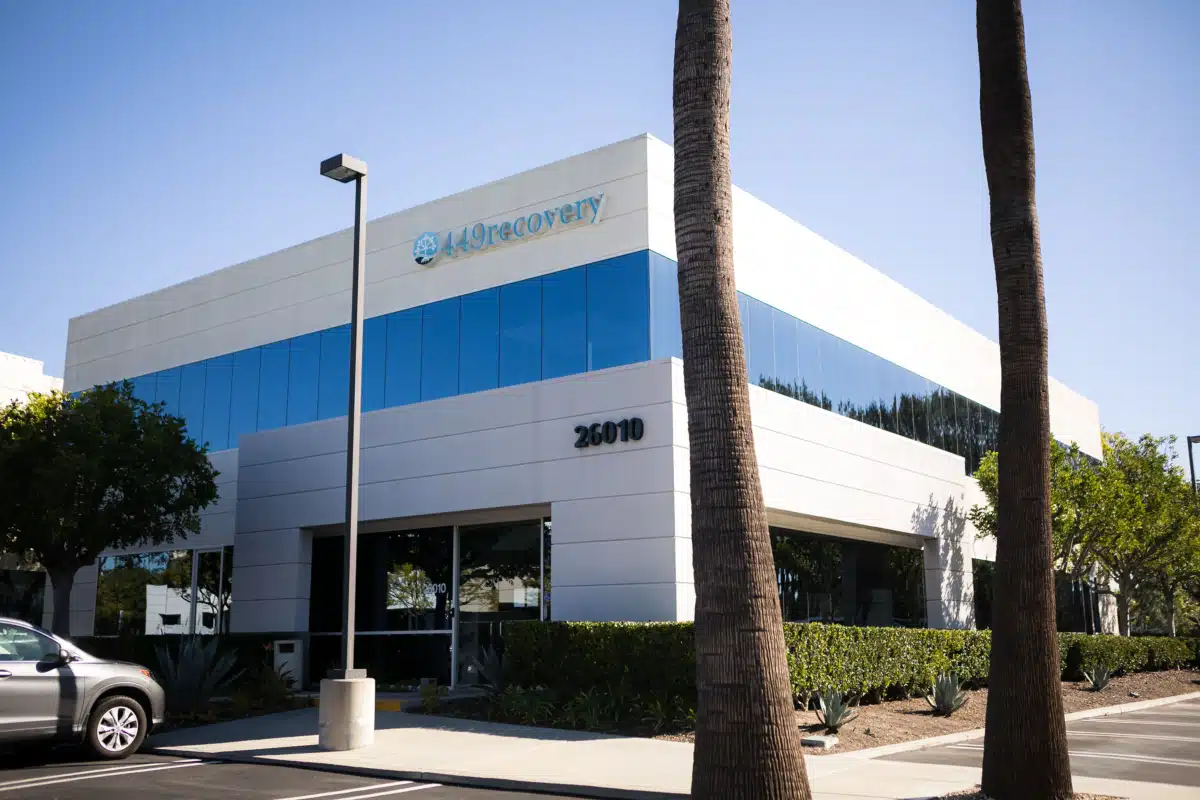
Nestled in Mission Viejo, CA, 449 Recovery provides targeted substance use treatment designed for adults grappling with severe mental health disorders, as well as emotional disturbances in children. This center offers a range of services, including intensive outpatient treatment, outpatient day treatment, and partial hospitalization. With a strong emphasis on 12-step facilitation, anger management, and brief intervention techniques, the facility is equipped to support both men and women, including those who have faced intimate partner or domestic violence. By catering to individuals of all genders, 449 Recovery is committed to delivering personalized care and support for adults and young adults seeking thorough rehabilitation services in a safe, compassionate setting.

Nestled in the picturesque surroundings of Malibu, CA, 6390 Meadows Court LLC presents a full spectrum of detoxification and substance use treatment programs. This facility specializes in residential detoxification, providing 24-hour residential care, as well as short-term residential programs specifically designed for adult men and women, including those who have faced trauma. With a strong emphasis on cognitive behavioral therapy, relapse prevention, and personalized substance use disorder counseling, the center serves both adults and young adults alike. By offering tailored services for male and female clients, 6390 Meadows Court LLC is dedicated to delivering high-quality care and unwavering support for individuals on their journey toward effective rehabilitation, all within a serene and calming environment.
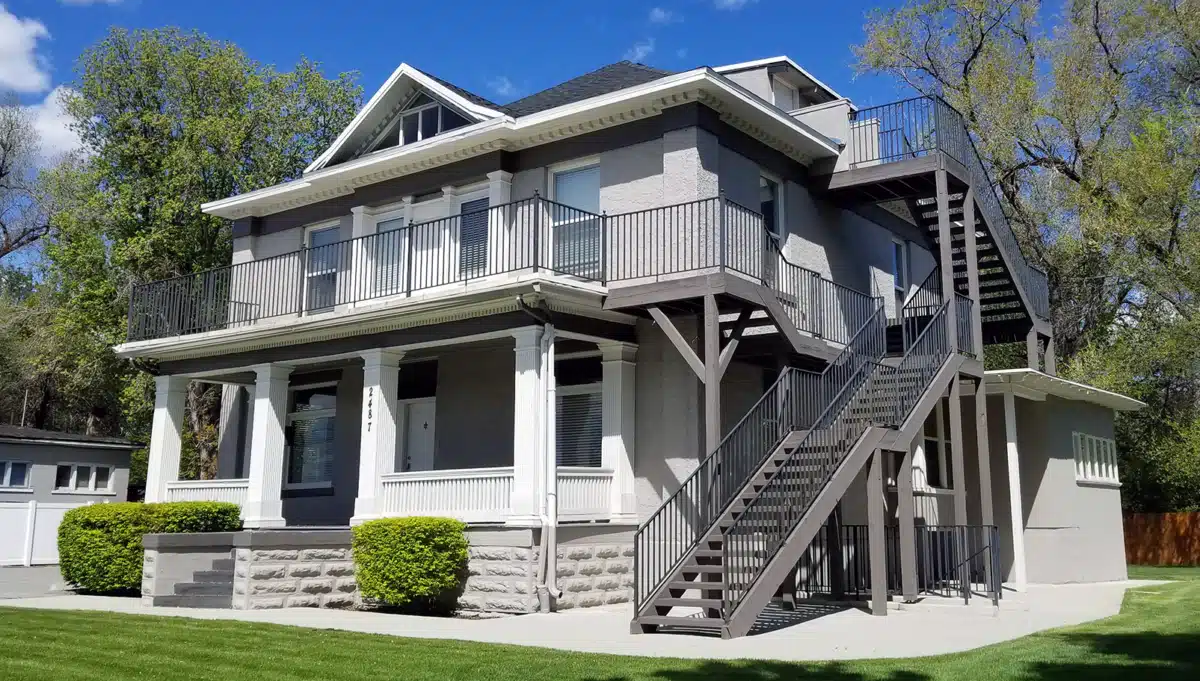
Nestled in the heart of Salt Lake City, UT, 7th Street is dedicated to delivering specialized rehabilitation services aimed at addressing substance use and co-occurring mental health challenges for both adults and children. The center boasts a range of treatment options, including intensive outpatient programs, long-term residential care, and traditional outpatient services, all grounded in effective methods such as 12-step facilitation, anger management, and brief intervention strategies. Recognizing the unique needs of their clients, tailored programs are available specifically for adult men, adult women, and those who have faced trauma. With a keen focus on serving adult and young adult populations, individuals of all genders can experience the high-quality care and extensive services that this facility provides.
Located in Springfield, MO, A and M Recovery LLC offers a diverse array of substance use treatment programs designed to address the specific needs of adult men and women. The facility features a variety of treatment options, including intensive outpatient, outpatient, and regular outpatient programs. With an emphasis on cognitive behavioral therapy, anger management, and brief intervention strategies, A and M Recovery LLC is committed to delivering personalized care for clients in search of assistance. Additionally, the facility provides specialized programs aimed at supporting individuals who have faced intimate partner violence or domestic violence. Catering to both adults and young adults of all genders, A and M Recovery LLC is steadfast in its mission to deliver high-quality rehabilitation services that foster enduring recovery.
A Better Today Inc, nestled in Tunkhannock, PA, delivers a wide range of substance use treatment options tailored specifically for adults and seniors. This center offers intensive outpatient programs, as well as outpatient and regular outpatient treatments, all designed to meet diverse needs. Emphasizing 12-step facilitation, anger management, and brief intervention methods, the facility customizes its approach for each individual. Additionally, special programs are available for clients involved with the criminal justice system. Catering to both male and female clients, A Better Today Inc prioritizes quality care within a nurturing environment. If you or someone you care about is in search of effective addiction treatment, this facility stands out for its commitment to personalized and evidence-based rehabilitation services.
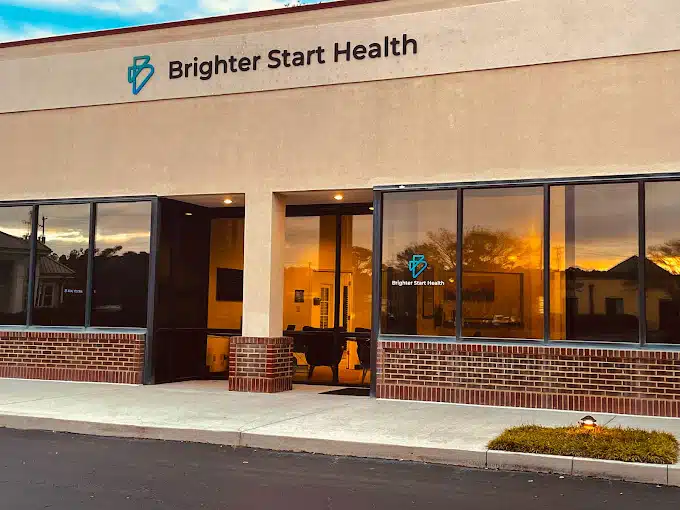
Located in Wilmington, NC, "A Brighter Start" stands out by providing an array of specialized rehabilitation services designed for those grappling with substance use and co-occurring mental health conditions. The center features various treatment options, including intensive outpatient programs, day treatment, and traditional outpatient services, all of which incorporate effective methodologies such as 12-step facilitation, anger management, and brief interventions. Focused on delivering individualized care, the facility accommodates active duty military personnel, adult men and women, as well as children and adolescents. By implementing gender-specific programs, "A Brighter Start" fosters a nurturing atmosphere that supports every client’s unique needs. Here, individuals can engage in comprehensive and compassionate care, setting forth on their path to recovery with the guidance and support they truly deserve.
Located in Colorado Springs, CO, A Good Life Counseling provides outpatient substance use treatment tailored for both adults and young adults. The facility specializes in key areas such as anger management, brief intervention, and cognitive behavioral therapy, catering to clients grappling with co-occurring mental health and substance use disorders, as well as those involved with the criminal justice system. By offering personalized care specifically designed to address the unique needs of both male and female clients, the center is committed to delivering high-quality treatment that supports individuals on their path to recovery. If you're in search of effective and comprehensive addiction treatment, this facility might just be the perfect choice for you.
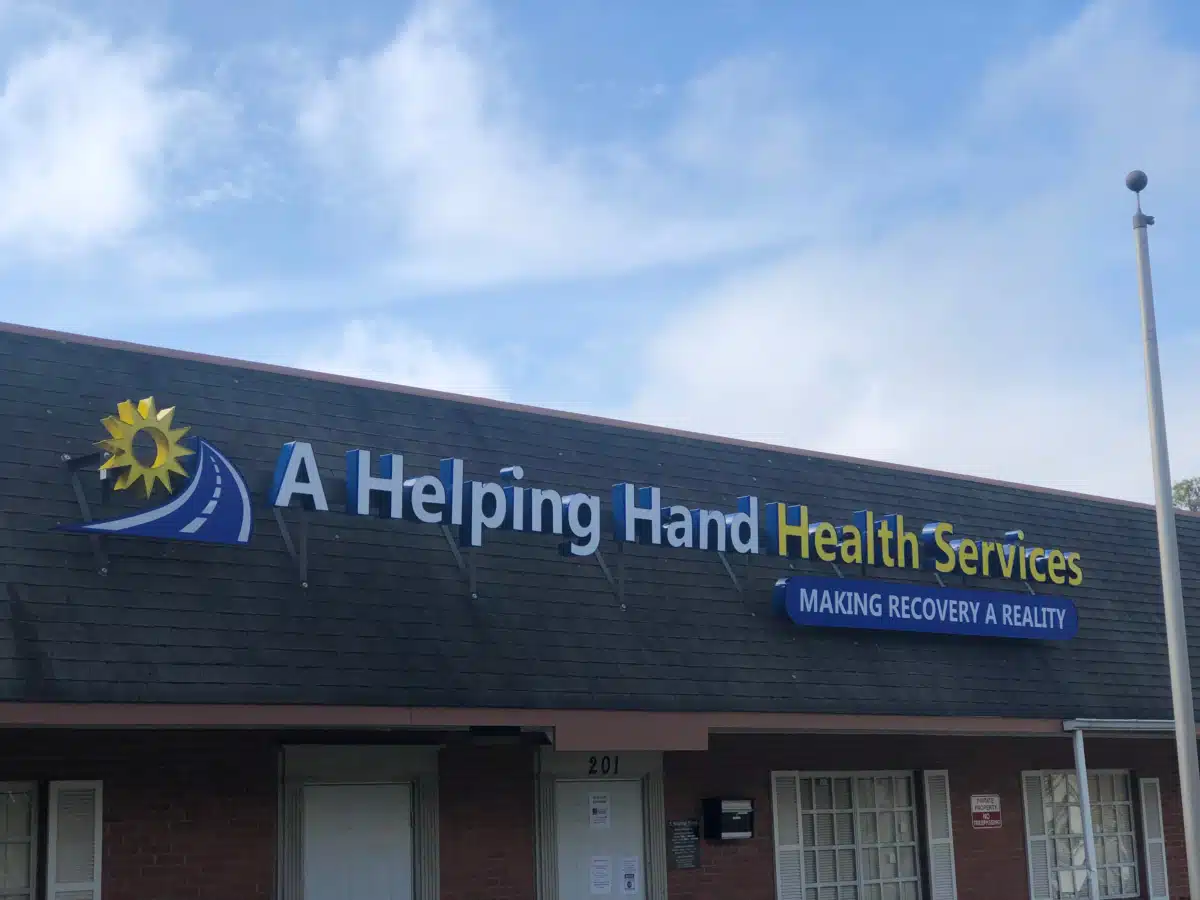
A Helping Hand Health Services LLC, situated in Pikesville, MD, specializes in tailored substance use treatment programs. The facility offers a range of options including intensive outpatient treatment, outpatient care, and outpatient services for methadone/buprenorphine or naltrexone. By employing techniques such as cognitive behavioral therapy, contingency management and motivational incentives, as well as motivational interviewing, the center customizes its approach to meet the unique needs of each individual. With a dedicated focus on both adults and young adults of all genders, A Helping Hand Health Services ensures that every client receives a personalized experience. Committed to delivering high-quality care and unwavering support, the center plays a vital role for those on their journey to recovery from substance use disorders.

Nestled in Littleton, CO, A New Outlook Recovery Services is dedicated to delivering a wide array of comprehensive substance use treatment for both adults and young adults. The facility excels in addressing co-occurring substance use disorders alongside serious mental health conditions in adults, while also catering to serious emotional disturbances in children. With an assortment of outpatient treatment options, which include intensive outpatient programs and day treatment, this center crafts personalized care through various approaches, including 12-step facilitation, anger management, and brief intervention strategies. Additionally, the facility features specialized programs tailored for active duty military personnel, adult men, and women. A New Outlook Recovery Services is committed to providing the highest quality care to individuals who are embarking on their journey toward recovery, helping them find a renewed sense of hope and purpose.
A New Start II LLC, situated in Central City, KY, offers a wide range of outpatient rehabilitation services designed specifically for adults and young adults eager to embark on a new journey away from substance use disorders and co-occurring mental health challenges. This facility specializes in detoxification and substance use treatment, providing individualized care for those grappling with significant emotional disturbances. Emphasizing personalized treatment plans, the center features outpatient detoxification alongside medication-assisted therapies that incorporate methadone, buprenorphine, or naltrexone. Their approach is grounded in evidence-based practices, including 12-step facilitation, anger management, and brief interventions to bolster recovery. Moreover, A New Start II LLC is committed to fostering a supportive and gender-sensitive healing atmosphere by offering separate programs tailored for male and female clients.
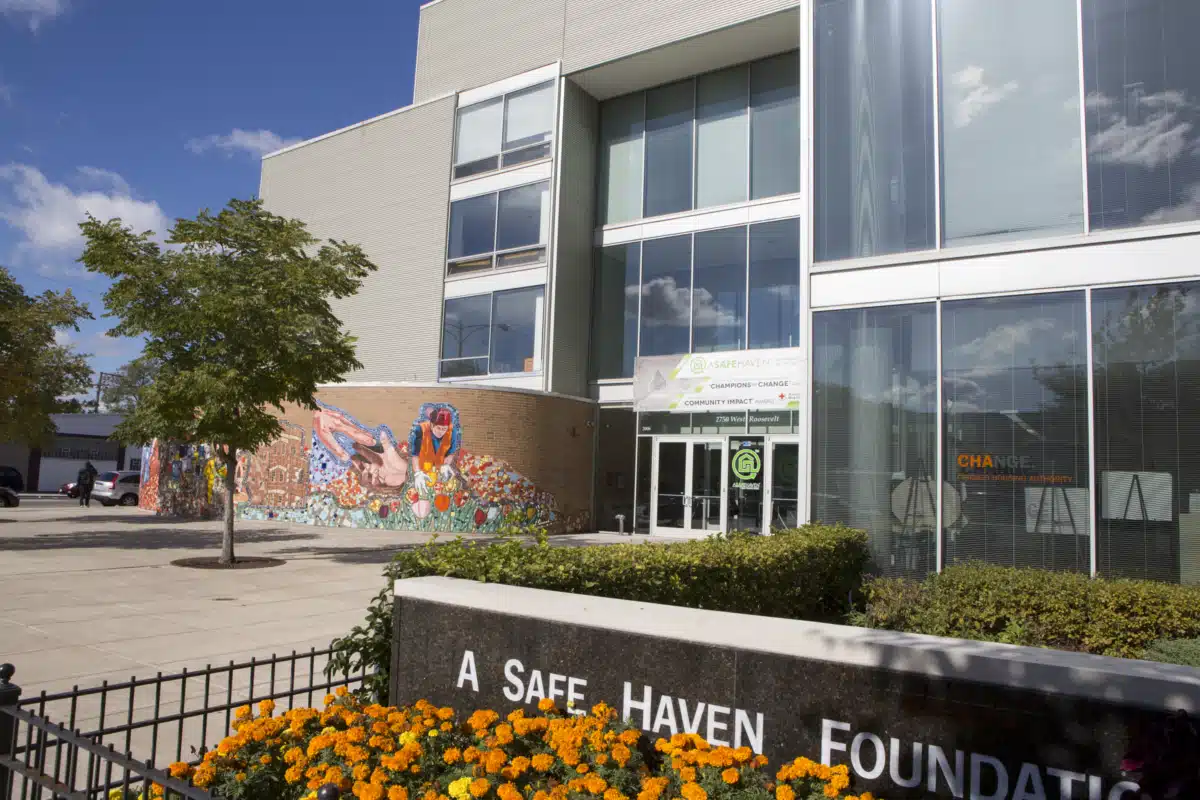
Situated in the heart of Chicago, IL, "A Safe Haven" offers a wide array of addiction treatment services designed to help individuals on their path to recovery. The center specializes in substance use treatment through intensive outpatient, outpatient, and regular outpatient programs, employing a variety of methods including 12-step facilitation, brief interventions, and cognitive behavioral therapy. This facility warmly welcomes adults and young adults of all genders, with a particular emphasis on supporting active duty military members, adult men, and women. A Safe Haven is dedicated to customizing its programs to address the distinctive needs of each client. Furthermore, individuals can take advantage of options like transitional housing, halfway houses, or sober living environments. With its unwavering commitment to providing high-quality care, the center stands out as a vital resource for anyone seeking rehabilitation and a fresh start.
Nestled in the heart of Chicago, IL, "A Safe Haven" is committed to offering an extensive array of substance use treatment services. This facility delivers outpatient programs that include methadone, buprenorphine, or naltrexone treatment, alongside regular outpatient care, specifically designed for adult women grappling with substance use disorders and concurrent serious mental health issues. Emphasizing methodologies such as 12-step facilitation, anger management, and brief interventions, the center serves a diverse clientele that encompasses adults, seniors, and young adults alike. Notably, the facility also features specialized programs for those who have endured intimate partner violence, domestic violence, and sexual abuse. With a steadfast dedication to quality care, "A Safe Haven" aims to support individuals on their unique journeys toward recovery.
A Turning Point of Colorado Springs, situated in the heart of Colorado Springs, CO, provides a range of essential services, including intensive outpatient treatment, outpatient programs, and ongoing regular outpatient care for those grappling with substance use disorders. This center prides itself on its expertise in 12-step facilitation, anger management, and various brief intervention strategies. With a commitment to individualized care, A Turning Point accommodates adults, children, adolescents, and young adults of all genders. The facility's distinctive approach allows for tailored treatment plans designed to meet the unique needs of each client, ensuring a personalized and effective recovery experience. For anyone seeking compassionate and comprehensive support in their journey towards sobriety, this center stands ready to deliver high-quality services that foster healing and resilience.

Situated in Bettendorf, IA, Abbey LLC delivers a wide range of addiction treatment services designed for both adults and young adults. The center specializes in detoxification, substance use treatment, and offers dedicated care for those grappling with co-occurring mental health issues. With a diverse array of treatment options—including intensive outpatient, long-term residential, and outpatient programs—Abbey LLC customizes its approach to align with the specific needs of each client. The facility employs evidence-based practices such as cognitive behavioral therapy and 12-step facilitation, alongside specialized programs tailored for adult men and women, along with those facing co-occurring disorders. Committed to providing quality care and personalized treatment plans, Abbey LLC plays a pivotal role in supporting clients throughout their recovery journey.
Located in Indio, CA, ABC Recovery Center Inc specializes in comprehensive treatment for substance use issues, alongside transitional housing options that include halfway houses and sober living homes. The center emphasizes intensive outpatient treatment within a nurturing environment, employing a variety of effective strategies such as 12-step facilitation, anger management, and cognitive behavioral therapy. With special programs designed to support adult men and women, as well as individuals who have faced intimate partner or domestic violence, this facility is dedicated to serving adults and young adults of all genders. By providing high-quality care tailored to each person's unique needs, ABC Recovery Center Inc stands out as an invaluable resource for anyone seeking effective solutions for addiction recovery.
ABC Recovery Center Inc, located in Indio, CA, provides a wide range of addiction treatment services that encompass detoxification, substance use therapy, and transitional housing options. This facility emphasizes long-term residential care, offering around-the-clock support to ensure clients receive comprehensive assistance. By integrating evidence-based strategies such as cognitive behavioral therapy and 12-step facilitation, ABC Recovery Center fosters a nurturing environment. Special programs are designed for both adult men and women, including those who have faced intimate partner violence. With a strong focus on anger management and tailored care, the center aids adults and young adults of all genders in their recovery journeys. ABC Recovery Center Inc remains steadfast in its commitment to delivering high-quality, personalized care, guiding clients towards a path of lasting sobriety.
Located in Indio, CA, ABC Recovery Center Inc offers a wide array of addiction treatment services designed to meet diverse needs. This center places a strong emphasis on long-term residential care and residential detoxification specifically for adult women. Their programs integrate techniques like 12-step facilitation, anger management, and cognitive-behavioral therapy, targeting clients who face both mental health and substance use challenges, including individuals living with HIV or AIDS. Catering to adults, seniors, and young adults alike, the center fosters a nurturing atmosphere where female clients can take their first steps toward recovery. With a steadfast commitment to delivering quality care through evidence-based strategies, ABC Recovery Center Inc has earned its reputation as a reliable resource for those searching for effective substance use treatment.
About 12-Step Programs
Santa Cruz Drug Rehab connects individuals with 12 step program rehab centers that integrate the world's most widely practiced peer support model into clinical treatment. A 2020 Cochrane Review confirmed that AA and Twelve-Step Facilitation (TSF) produce outcomes at least as effective as other established treatments—and superior results for continuous abstinence, with 24% sustained sobriety at three-year follow-up compared to 15% for CBT alone.
History: From AA to a Global Movement
Bill Wilson and Dr. Bob Smith founded Alcoholics Anonymous in Akron, Ohio in 1935, establishing the peer-led recovery model still used today. Narcotics Anonymous followed in 1953. The 12-step framework now spans over 2 million AA members across 180+ countries, with additional fellowships including Cocaine Anonymous (CA), Gamblers Anonymous (GA), and others. Santa Cruz Drug Rehab lists rehab centers that draw on this proven tradition alongside evidence-based clinical therapies.
The 12 Steps: A Structured Path to Recovery
Each 12 step program rehab guides participants through a progressive framework:
- Steps 1–3 (Surrender): Admitting powerlessness over addiction and accepting help from a higher power as individually defined
- Steps 4–7 (Self-Examination): Conducting a fearless moral inventory, acknowledging character defects, and seeking their removal
- Steps 8–9 (Amends): Identifying people harmed by addiction and making direct amends wherever possible
- Steps 10–12 (Maintenance & Service): Continuing personal inventory, deepening spiritual practice, and carrying the message to others—the "spiritual awakening" that sustains long-term recovery
Meeting Types and Sponsorship
12-step fellowships offer multiple meeting formats to fit different needs:
- Open vs. Closed Meetings: Open meetings welcome anyone; closed meetings are reserved for those who identify as having a substance use problem
- Speaker Meetings: One or more members share their recovery story with the group
- Discussion & Big Book Study: Interactive sessions exploring recovery literature and shared experiences
- Step Study: Focused, in-depth work on one step at a time
- Sponsorship: A peer mentoring relationship where an experienced member guides a newcomer through the steps—widely considered the backbone of 12-step recovery
Clinical Evidence: Project MATCH and Cochrane Review
Twelve-Step Facilitation (TSF), a manualized therapy developed by the National Institute on Alcohol Abuse and Alcoholism (NIAAA), was tested in Project MATCH—one of the largest clinical trials in addiction treatment history. TSF produced outcomes comparable to CBT and Motivational Enhancement Therapy (MET), and showed superior results for patients with severe alcohol dependence. At three-year follow-up, TSF participants achieved 24% continuous abstinence versus 15% for CBT. The 2020 Cochrane Review further confirmed that AA/TSF is at least as effective as other established treatments for alcohol use disorder, with superior outcomes for sustained abstinence.
Spirituality, Not Religion
While 12 step program rehab is grounded in spiritual principles, it is not affiliated with any religion. "A higher power" can be defined individually—as God, the recovery group itself, nature, or any supportive concept beyond oneself. Secular adaptations also exist for those who prefer a non-theistic approach.
Alternatives and Complementary Approaches
Santa Cruz Drug Rehab also lists centers offering alternatives for individuals who prefer different recovery models. SMART Recovery uses CBT-based self-empowerment tools, while other options include Refuge Recovery (Buddhist-inspired), LifeRing Secular Recovery, and Women for Sobriety. Many rehab programs integrate 12-step alongside these approaches, and most residential treatment centers incorporate 12-step meetings as part of comprehensive, evidence-based care. Browse our treatment directory to find 12 step program rehab centers near you.