Cognitive Behavioral Therapy (CBT) Treatment Centers
Cognitive behavioral therapy for addiction (CBT-SUD) is recognized by APA Division 12 as having "strong research support" for substance use disorders. Meta-analyses report moderate-to-large effect sizes (Cohen's d = 0.45–0.75) with a number needed to treat (NNT) of 4–7. Over 12–16 structured sessions, CBT targets the cognitive triangle—thoughts, feelings, and behaviors—using functional analysis, cognitive restructuring based on Beck's model of cognitive distortions, and the Marlatt & Gordon relapse prevention framework. Both NIDA and SAMHSA endorse CBT as a frontline evidence-based practice for addiction treatment.
Found 7,011 treatment centers offering cognitive behavioral therapy (cbt) across the United States.
Ready to Start Your Recovery Journey?
Our specialists will match you with the right center — 100% free
Showing 20 of 7011 cognitive behavioral therapy (cbt) treatment centers
2nd Chance Mental Health Center, located in Port Saint Lucie, FL, specializes in providing intensive outpatient and outpatient treatment for both substance use and co-occurring mental health issues affecting adults and children alike. Their tailored programs are designed specifically for clients grappling with dual diagnoses. At the center, a variety of evidence-based approaches are utilized—ranging from anger management and brief interventions to cognitive behavioral therapy—ensuring a comprehensive support system. Catering to individuals of all genders, the facility is committed to delivering high-quality care that empowers those on their journey to recovery. If you're in search of holistic treatment that addresses both substance use and mental health challenges, look no further; 2nd Chance Mental Health Center stands ready to assist you in finding your way to healing.

Located in Gilbert, AZ, the 2nd Chance Treatment Center specializes in providing comprehensive outpatient services designed for individuals striving to overcome substance use disorders as well as co-occurring mental health challenges. With an emphasis on brief interventions, cognitive behavioral therapy, and motivational interviewing, this center caters to a diverse population, offering tailored programs specifically for active duty military personnel, adolescents, and adult men. Treatment plans are carefully crafted to meet the needs of adults, children, and young adults, ensuring gender-specific care for both males and females. Among the services available are detoxification, outpatient programs for substance use treatment, and options for outpatient methadone, buprenorphine, or naltrexone treatment. At 2nd Chance Treatment Center, you'll find a commitment to compassionate and effective care, guiding you on your journey toward recovery.
At the 2nd Chance Treatment Center in Phoenix, AZ, individuals seeking recovery from substance use disorders and co-occurring mental health challenges will find an extensive array of outpatient services. This facility stands out by offering specialized programs tailored for active duty military personnel, as well as adolescents and adult men, ensuring support for adults and young adults of all genders. With a focus on high-quality care, the center employs evidence-based methods such as cognitive behavioral therapy and motivational interviewing, adapting its approach to meet the unique needs of each client. Among the services provided are detoxification, outpatient treatment, and options for methadone, buprenorphine, or naltrexone treatment. Ultimately, the 2nd Chance Treatment Center is committed to empowering clients on their journeys toward lasting sobriety and emotional well-being.

Nestled in the picturesque surroundings of Malibu, CA, 6390 Meadows Court LLC presents a full spectrum of detoxification and substance use treatment programs. This facility specializes in residential detoxification, providing 24-hour residential care, as well as short-term residential programs specifically designed for adult men and women, including those who have faced trauma. With a strong emphasis on cognitive behavioral therapy, relapse prevention, and personalized substance use disorder counseling, the center serves both adults and young adults alike. By offering tailored services for male and female clients, 6390 Meadows Court LLC is dedicated to delivering high-quality care and unwavering support for individuals on their journey toward effective rehabilitation, all within a serene and calming environment.
Located in Springfield, MO, A and M Recovery LLC offers a diverse array of substance use treatment programs designed to address the specific needs of adult men and women. The facility features a variety of treatment options, including intensive outpatient, outpatient, and regular outpatient programs. With an emphasis on cognitive behavioral therapy, anger management, and brief intervention strategies, A and M Recovery LLC is committed to delivering personalized care for clients in search of assistance. Additionally, the facility provides specialized programs aimed at supporting individuals who have faced intimate partner violence or domestic violence. Catering to both adults and young adults of all genders, A and M Recovery LLC is steadfast in its mission to deliver high-quality rehabilitation services that foster enduring recovery.
Located in Colorado Springs, CO, A Good Life Counseling provides outpatient substance use treatment tailored for both adults and young adults. The facility specializes in key areas such as anger management, brief intervention, and cognitive behavioral therapy, catering to clients grappling with co-occurring mental health and substance use disorders, as well as those involved with the criminal justice system. By offering personalized care specifically designed to address the unique needs of both male and female clients, the center is committed to delivering high-quality treatment that supports individuals on their path to recovery. If you're in search of effective and comprehensive addiction treatment, this facility might just be the perfect choice for you.
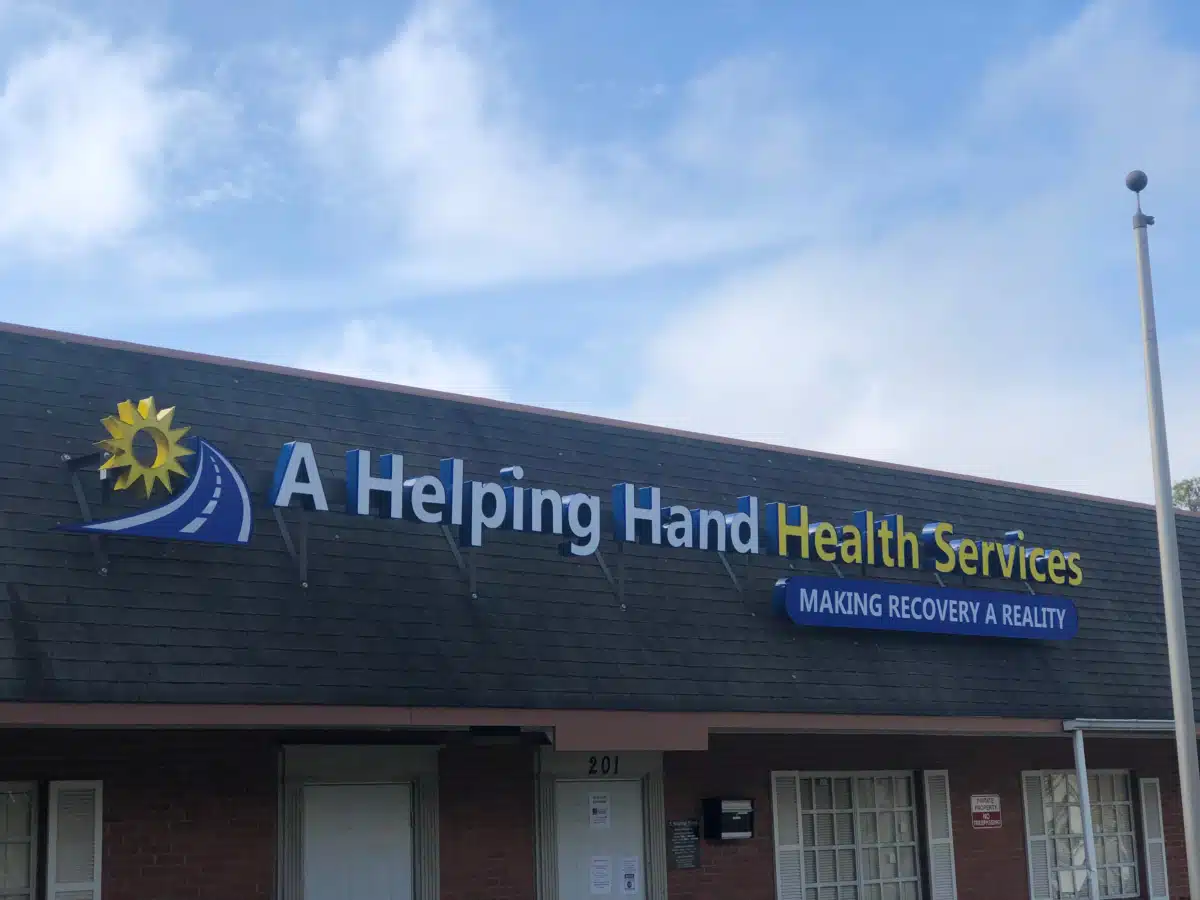
A Helping Hand Health Services LLC, situated in Pikesville, MD, specializes in tailored substance use treatment programs. The facility offers a range of options including intensive outpatient treatment, outpatient care, and outpatient services for methadone/buprenorphine or naltrexone. By employing techniques such as cognitive behavioral therapy, contingency management and motivational incentives, as well as motivational interviewing, the center customizes its approach to meet the unique needs of each individual. With a dedicated focus on both adults and young adults of all genders, A Helping Hand Health Services ensures that every client receives a personalized experience. Committed to delivering high-quality care and unwavering support, the center plays a vital role for those on their journey to recovery from substance use disorders.
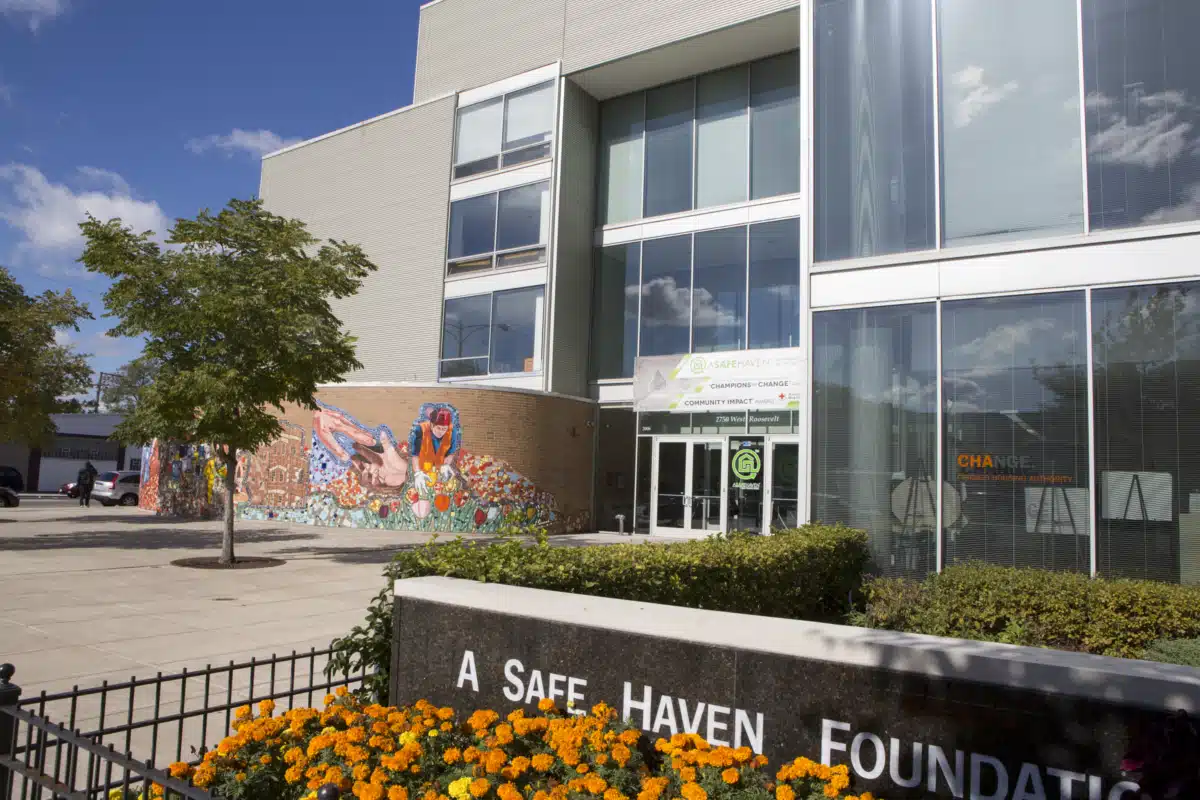
Situated in the heart of Chicago, IL, "A Safe Haven" offers a wide array of addiction treatment services designed to help individuals on their path to recovery. The center specializes in substance use treatment through intensive outpatient, outpatient, and regular outpatient programs, employing a variety of methods including 12-step facilitation, brief interventions, and cognitive behavioral therapy. This facility warmly welcomes adults and young adults of all genders, with a particular emphasis on supporting active duty military members, adult men, and women. A Safe Haven is dedicated to customizing its programs to address the distinctive needs of each client. Furthermore, individuals can take advantage of options like transitional housing, halfway houses, or sober living environments. With its unwavering commitment to providing high-quality care, the center stands out as a vital resource for anyone seeking rehabilitation and a fresh start.

Situated in Bettendorf, IA, Abbey LLC delivers a wide range of addiction treatment services designed for both adults and young adults. The center specializes in detoxification, substance use treatment, and offers dedicated care for those grappling with co-occurring mental health issues. With a diverse array of treatment options—including intensive outpatient, long-term residential, and outpatient programs—Abbey LLC customizes its approach to align with the specific needs of each client. The facility employs evidence-based practices such as cognitive behavioral therapy and 12-step facilitation, alongside specialized programs tailored for adult men and women, along with those facing co-occurring disorders. Committed to providing quality care and personalized treatment plans, Abbey LLC plays a pivotal role in supporting clients throughout their recovery journey.
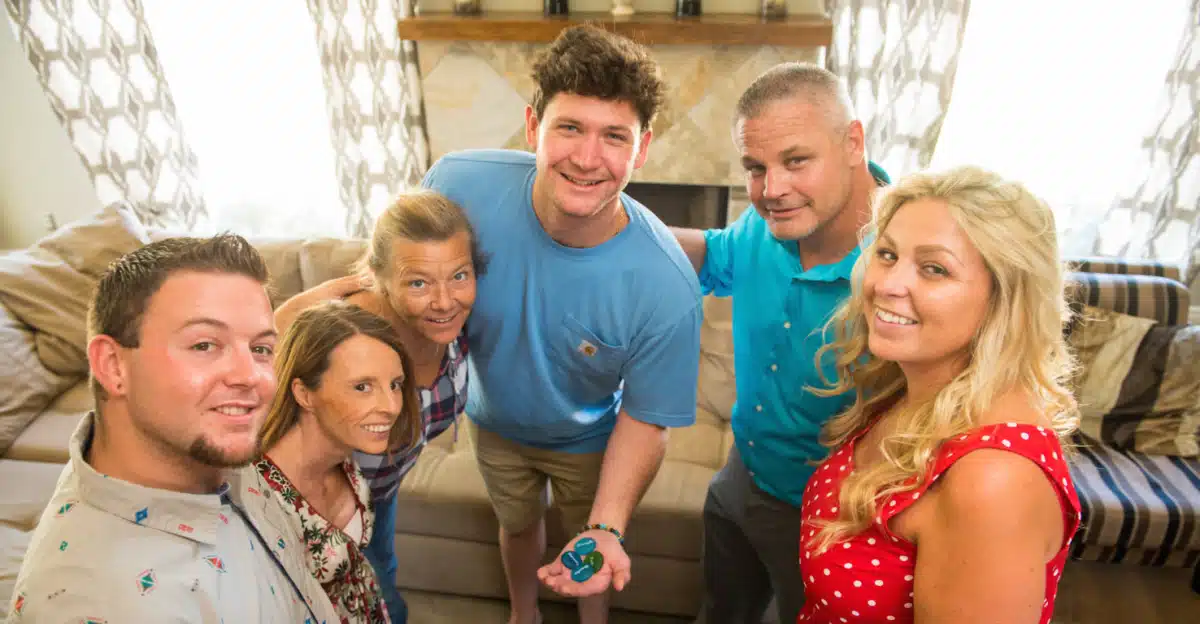
Located in Indio, CA, ABC Recovery Center Inc specializes in comprehensive treatment for substance use issues, alongside transitional housing options that include halfway houses and sober living homes. The center emphasizes intensive outpatient treatment within a nurturing environment, employing a variety of effective strategies such as 12-step facilitation, anger management, and cognitive behavioral therapy. With special programs designed to support adult men and women, as well as individuals who have faced intimate partner or domestic violence, this facility is dedicated to serving adults and young adults of all genders. By providing high-quality care tailored to each person's unique needs, ABC Recovery Center Inc stands out as an invaluable resource for anyone seeking effective solutions for addiction recovery.
ABC Recovery Center Inc, located in Indio, CA, provides a wide range of addiction treatment services that encompass detoxification, substance use therapy, and transitional housing options. This facility emphasizes long-term residential care, offering around-the-clock support to ensure clients receive comprehensive assistance. By integrating evidence-based strategies such as cognitive behavioral therapy and 12-step facilitation, ABC Recovery Center fosters a nurturing environment. Special programs are designed for both adult men and women, including those who have faced intimate partner violence. With a strong focus on anger management and tailored care, the center aids adults and young adults of all genders in their recovery journeys. ABC Recovery Center Inc remains steadfast in its commitment to delivering high-quality, personalized care, guiding clients towards a path of lasting sobriety.
Located in Indio, CA, ABC Recovery Center Inc offers a wide array of addiction treatment services designed to meet diverse needs. This center places a strong emphasis on long-term residential care and residential detoxification specifically for adult women. Their programs integrate techniques like 12-step facilitation, anger management, and cognitive-behavioral therapy, targeting clients who face both mental health and substance use challenges, including individuals living with HIV or AIDS. Catering to adults, seniors, and young adults alike, the center fosters a nurturing atmosphere where female clients can take their first steps toward recovery. With a steadfast commitment to delivering quality care through evidence-based strategies, ABC Recovery Center Inc has earned its reputation as a reliable resource for those searching for effective substance use treatment.
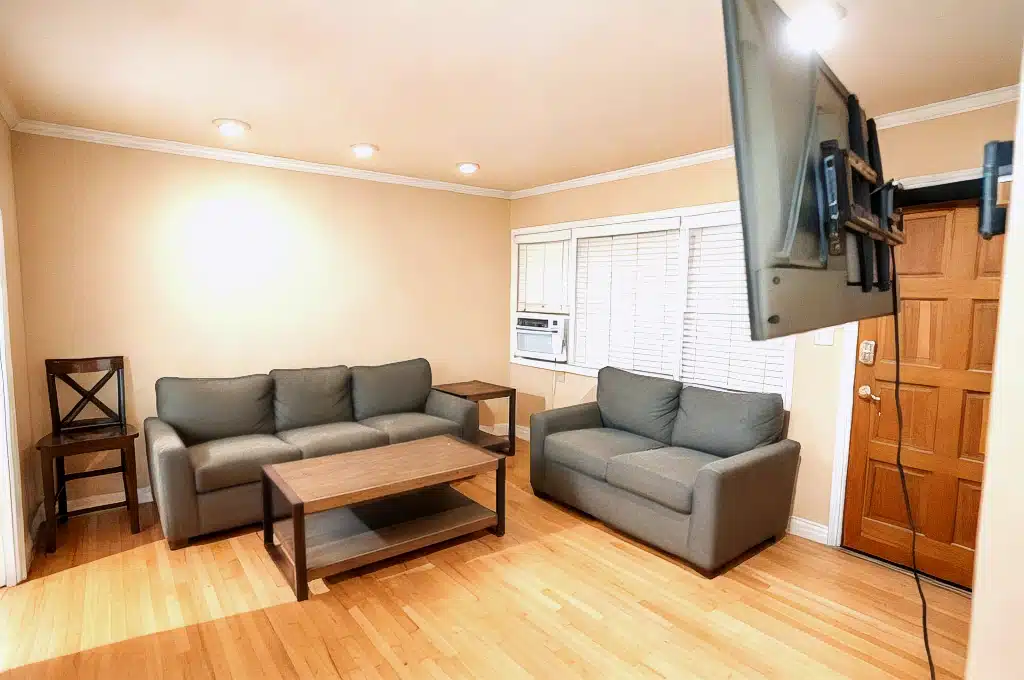
ABC Sober Living LLC, located in San Diego, CA, specializes in providing comprehensive substance use treatment alongside transitional housing specifically for adult women. The facility employs an intensive outpatient treatment approach, drawing on evidence-based practices like 12-step facilitation, cognitive behavioral therapy, and contingency management. This tailored program is designed to support clients who have faced trauma or sexual abuse, ensuring they receive the attention they need. Catering to adult, senior, and young adult females, ABC Sober Living LLC emphasizes specialized care within a nurturing atmosphere. What truly sets this facility apart is its unwavering commitment to delivering high-quality treatment and customized programs that address the distinct needs of each individual on their path to recovery.
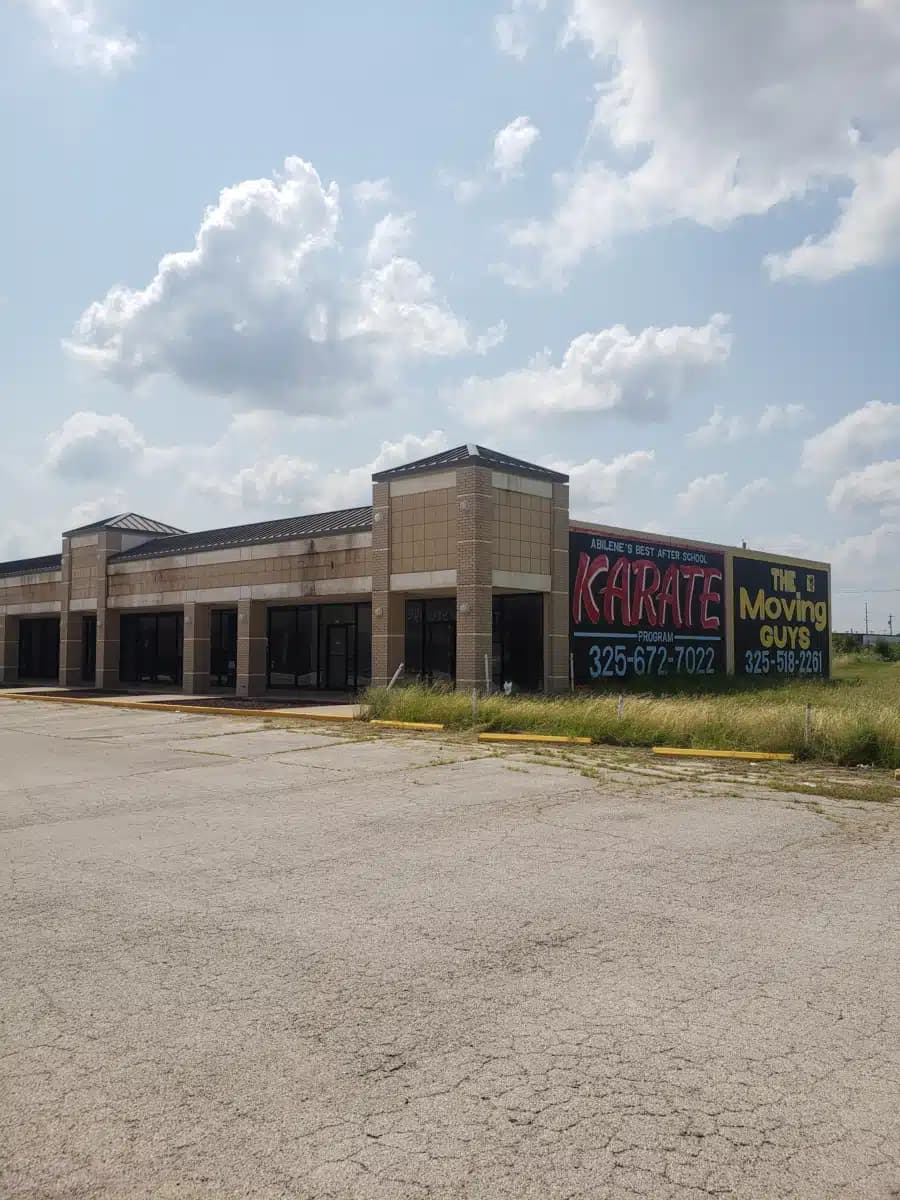
Situated in Abilene, TX, Abilene Absolute Recovery Solutions provides a wide range of outpatient substance use treatment programs designed for adult men and women, with a welcoming approach to those who have faced intimate partner violence. The center excels in outpatient therapy options, including methadone, buprenorphine, or naltrexone treatments, while seamlessly integrating evidence-based methodologies, such as 12-step facilitation, cognitive behavioral therapy, and contingency management alongside motivational incentives. Focused on delivering high-quality care tailored to each individual’s unique needs, this facility caters to both adults and young adults of all genders, fostering a nurturing environment conducive to recovery and personal healing.
Located in Concord, NC, Absolute Advocacy LLC provides a wide range of substance use treatment options, including intensive outpatient, outpatient, and regular outpatient programs. This facility is committed to delivering quality care through evidence-based methods such as cognitive behavioral therapy, motivational interviewing, and relapse prevention. Catering to a diverse clientele, Absolute Advocacy LLC offers specialized programs designed for active duty military members, adolescents, and adult men. The center serves adults and seniors of all genders, emphasizing tailored treatment plans that respect and support each client's individual path to recovery. If you're on the lookout for effective addiction treatment centered around personalized care, you can trust Absolute Advocacy LLC as a reliable choice in Concord.
Situated in the heart of Charlotte, NC, Absolute Advocacy LLC provides a wide range of substance use treatment programs tailored for both adults and seniors. The center offers various options, including intensive outpatient, outpatient, and regular outpatient treatments. By employing methods like cognitive behavioral therapy, motivational interviewing, and relapse prevention strategies, this facility customizes its programs to address each individual's unique requirements. Specially designed initiatives are available for active duty military personnel, adolescents, and adult men, ensuring that diverse demographics receive the appropriate care. With a commitment to delivering specialized support for both male and female clients, Absolute Advocacy LLC focuses on quality treatment to effectively facilitate recovery journeys.
Nestled in Denville, NJ, Absolute Awakenings Treatment Center is dedicated to providing comprehensive care for substance use disorders as well as specialized treatment for co-occurring serious mental health conditions in adults and serious emotional disturbances in children. The center emphasizes intensive outpatient treatment, outpatient day programs, and partial hospitalization, offering tailored solutions that incorporate 12-step facilitation, brief intervention techniques, and cognitive behavioral therapy. Their unique programs are specifically designed to meet the needs of adult men, adult women, and individuals who have experienced trauma. Committed to serving adults and young adults of all genders, Absolute Awakenings Treatment Center prioritizes quality care through personalized treatment plans and evidence-based practices.
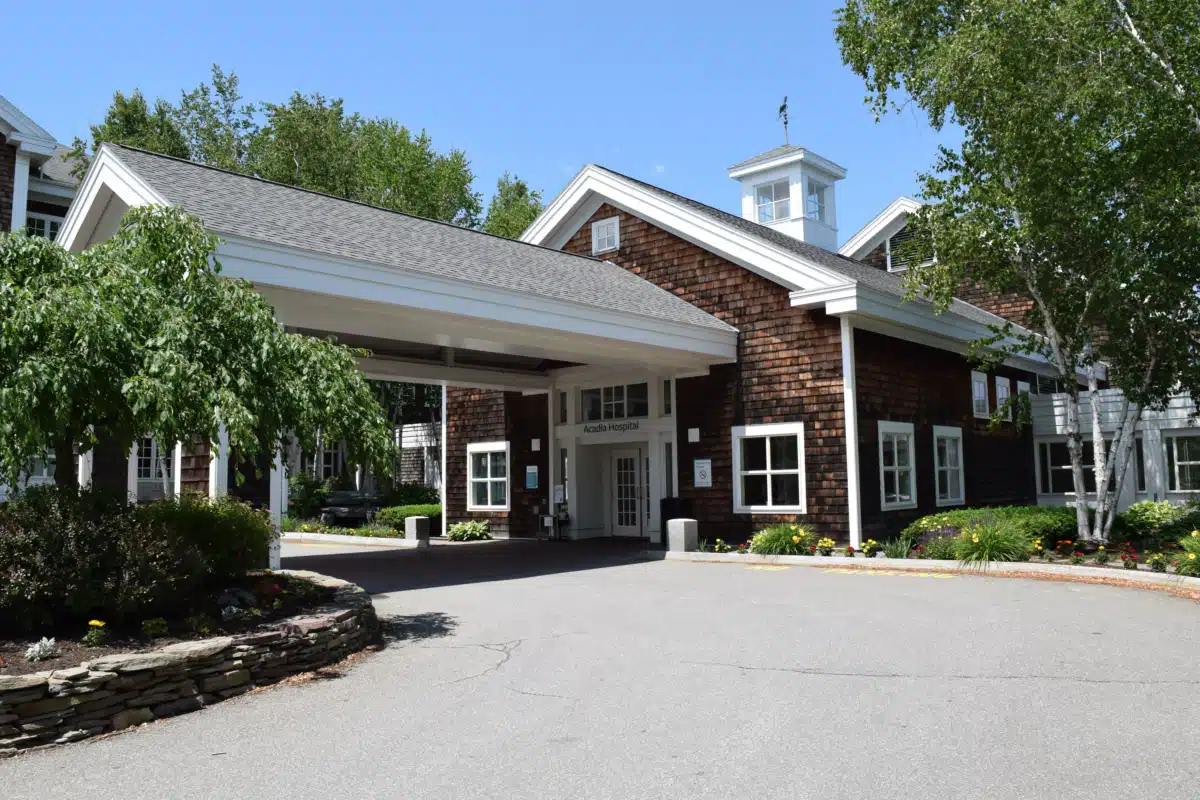
Acadia Hospital, located in Bangor, ME, provides a range of specialized rehabilitation services aimed at addressing both substance use and co-occurring mental health challenges. Its comprehensive offerings include intensive outpatient and outpatient programs designed specifically for adults grappling with significant emotional disturbances or mental health disorders. The treatment approaches utilized here encompass anger management, cognitive behavioral therapy, and the Matrix Model method, among others. Notably, the center features unique programs that cater to both adult men and women, as well as those who have experienced trauma. With a keen emphasis on care for adults and young adults, Acadia Hospital also offers gender-specific support, ensuring that both males and females receive the attention they need. Committed to delivering high-quality care, the facility focuses on developing personalized treatment plans that empower individuals on their journey to recovery.
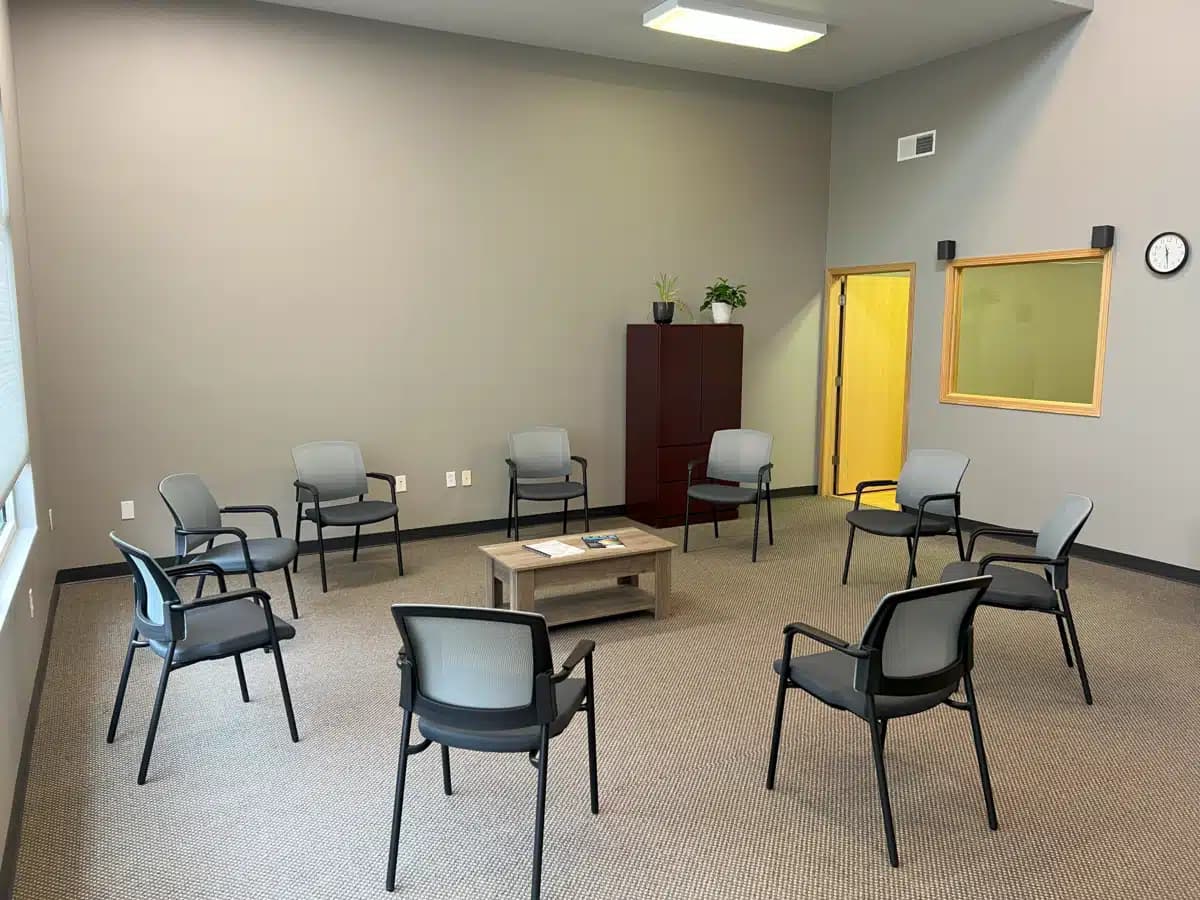
Located in Coralville, IA, Acceptance Recovery Counseling provides outpatient substance use treatment, along with dedicated care for adults facing both severe mental health challenges and co-occurring substance use disorders, as well as addressing emotional disturbances in children. The program is grounded in evidence-based methods, incorporating techniques like 12-step facilitation, brief intervention, and cognitive behavioral therapy. Aimed primarily at adolescents, adult men, and women, the facility serves individuals of all genders, including seniors. By offering regular outpatient treatment, Acceptance Recovery Counseling commits to delivering quality care that is customized to meet each individual's unique needs. For those in search of a supportive environment where comprehensive rehabilitation services are prioritized, this center truly stands out as a reliable choice.
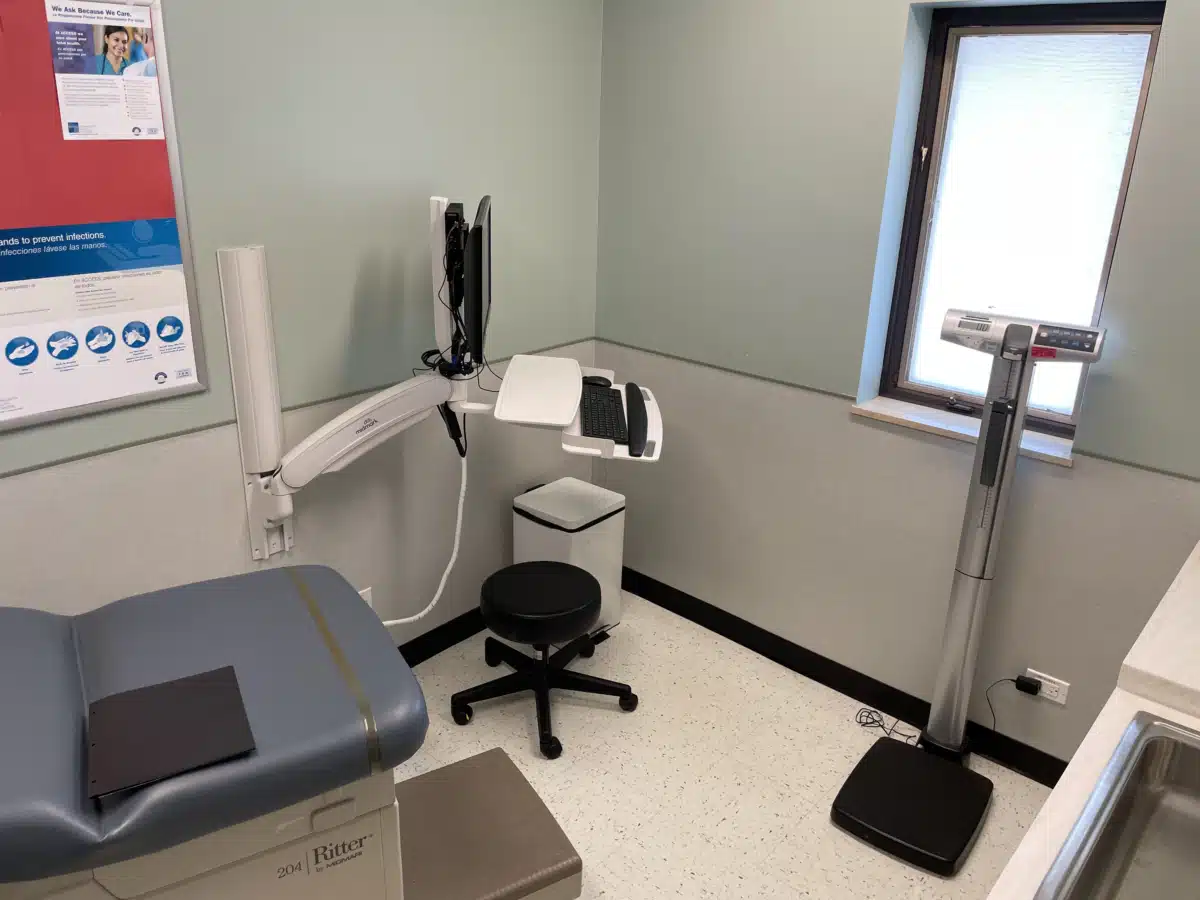
ACCESS Blue Island Medical Center, located in Blue Island, IL, specializes in outpatient substance use treatment tailored for adults grappling with serious mental health challenges, as well as for children facing emotional disturbances. The program features a variety of interventions, including cognitive behavioral therapy and the Matrix Model, all aimed at delivering comprehensive care. Additionally, there are specialized programs designed for both men and women and for clients living with HIV or AIDS. With a strong focus on supporting young adults, this facility cultivates a nurturing environment conducive to recovery. By offering outpatient treatments with options like methadone, buprenorphine, or naltrexone, ACCESS Blue Island Medical Center ensures that care is personalized, catering to the unique needs of both male and female clients.
About Cognitive Behavioral Therapy (CBT)
Cognitive behavioral therapy for addiction is the most extensively researched psychotherapy for substance use disorders, with APA Division 12 granting it "strong research support" status. Santa Cruz Drug Rehab connects you with treatment centers that deliver CBT-SUD protocols endorsed by both the National Institute on Drug Abuse (NIDA) and the Substance Abuse and Mental Health Services Administration (SAMHSA) as frontline evidence-based practices.
How Cognitive Behavioral Therapy Treats Addiction
CBT for addiction operates on the cognitive triangle model: thoughts influence feelings, feelings drive behaviors, and behaviors reinforce thoughts. Developed from Aaron Beck's cognitive model, this approach identifies cognitive distortions—such as all-or-nothing thinking, catastrophizing, and rationalization—that sustain addictive behavior. By restructuring these distorted thought patterns through Socratic questioning, individuals gain conscious control over the automatic processes that trigger substance use.
Santa Cruz Drug Rehab lists programs that incorporate these core CBT-SUD techniques:
- Functional Analysis: Mapping the antecedents, behaviors, and consequences of each substance use episode to identify high-risk triggers
- Cognitive Restructuring: Challenging and replacing Beck's cognitive distortions (e.g., "I can't cope without using") with evidence-based alternative thoughts
- Coping Skills Training: Building a repertoire of drug-refusal skills, urge-surfing techniques, and assertiveness strategies for high-risk situations
- Relapse Prevention (Marlatt & Gordon Model): Identifying warning signs, managing the abstinence violation effect, and developing personalized maintenance plans
- Behavioral Experiments: Testing catastrophic predictions in real-world settings to gather evidence against distorted beliefs
CBT Session Structure: What to Expect in 12–16 Sessions
A standard cognitive behavioral therapy addiction protocol spans 12–16 weekly sessions of 50–60 minutes each. Every session follows a structured agenda: mood check-in, homework review, skill introduction or practice, and new homework assignment. Between sessions, clients complete thought records, behavioral experiments, and coping skills practice. This structured format distinguishes CBT from open-ended talk therapy and accelerates measurable progress. Santa Cruz Drug Rehab helps you find programs that follow these evidence-based session protocols.
CBT Variants Used in Addiction Treatment
Several specialized CBT adaptations target substance use disorders. CBT-SUD is the standard addiction-focused protocol. The Marlatt & Gordon Relapse Prevention (RP) model emphasizes identifying and managing high-risk situations. Project MATCH demonstrated that MET+CBT (motivational enhancement combined with CBT) produces outcomes comparable to 12-step facilitation for alcohol dependence. Computerized CBT (CBT4CBT) delivers the same core skills via interactive modules, expanding access for individuals in rural or underserved areas. Santa Cruz Drug Rehab lists centers offering these specialized variants.
Efficacy Data: What Research Shows
Meta-analyses of cognitive behavioral therapy for addiction report moderate-to-large effect sizes (Cohen's d = 0.45–0.75) across substance types including alcohol, cocaine, cannabis, and opioids. The number needed to treat (NNT) is 4–7, meaning one additional patient achieves sustained recovery for every 4–7 treated. CBT's effects are durable: unlike some treatments that show declining benefits after termination, CBT skills continue to strengthen over time as individuals apply learned techniques to new situations.
CBT Combined with Other Treatment Approaches
CBT is frequently combined with medication-assisted treatment (MAT) for opioid and alcohol use disorders, with motivational interviewing to strengthen readiness for change, and with 12-step programs for ongoing peer support. For dual diagnosis cases involving co-occurring depression, anxiety, or PTSD, integrated CBT protocols address both conditions simultaneously, improving outcomes for each.