Dual Diagnosis Rehab Centers
Dual diagnosis—clinically termed co-occurring disorders (COD)—affects approximately 9.2 million adults in the United States according to SAMHSA. Integrated dual diagnosis treatment simultaneously addresses both the psychiatric disorder and the substance use disorder through coordinated psychopharmacology, evidence-based behavioral therapies such as CBT and DBT, and comprehensive case management. Research published in the Journal of the American Medical Association demonstrates that integrated treatment produces significantly higher rates of sustained remission compared to sequential or parallel treatment models.
Found 7,548 rehab centers specializing in dual diagnosis across the United States.
Ready to Start Your Recovery Journey?
Our specialists will match you with the right center — 100% free
Showing 20 of 7548 dual diagnosis rehab centers
2nd Chance Mental Health Center, located in Port Saint Lucie, FL, specializes in providing intensive outpatient and outpatient treatment for both substance use and co-occurring mental health issues affecting adults and children alike. Their tailored programs are designed specifically for clients grappling with dual diagnoses. At the center, a variety of evidence-based approaches are utilized—ranging from anger management and brief interventions to cognitive behavioral therapy—ensuring a comprehensive support system. Catering to individuals of all genders, the facility is committed to delivering high-quality care that empowers those on their journey to recovery. If you're in search of holistic treatment that addresses both substance use and mental health challenges, look no further; 2nd Chance Mental Health Center stands ready to assist you in finding your way to healing.

Located in Gilbert, AZ, the 2nd Chance Treatment Center specializes in providing comprehensive outpatient services designed for individuals striving to overcome substance use disorders as well as co-occurring mental health challenges. With an emphasis on brief interventions, cognitive behavioral therapy, and motivational interviewing, this center caters to a diverse population, offering tailored programs specifically for active duty military personnel, adolescents, and adult men. Treatment plans are carefully crafted to meet the needs of adults, children, and young adults, ensuring gender-specific care for both males and females. Among the services available are detoxification, outpatient programs for substance use treatment, and options for outpatient methadone, buprenorphine, or naltrexone treatment. At 2nd Chance Treatment Center, you'll find a commitment to compassionate and effective care, guiding you on your journey toward recovery.
At the 2nd Chance Treatment Center in Phoenix, AZ, individuals seeking recovery from substance use disorders and co-occurring mental health challenges will find an extensive array of outpatient services. This facility stands out by offering specialized programs tailored for active duty military personnel, as well as adolescents and adult men, ensuring support for adults and young adults of all genders. With a focus on high-quality care, the center employs evidence-based methods such as cognitive behavioral therapy and motivational interviewing, adapting its approach to meet the unique needs of each client. Among the services provided are detoxification, outpatient treatment, and options for methadone, buprenorphine, or naltrexone treatment. Ultimately, the 2nd Chance Treatment Center is committed to empowering clients on their journeys toward lasting sobriety and emotional well-being.
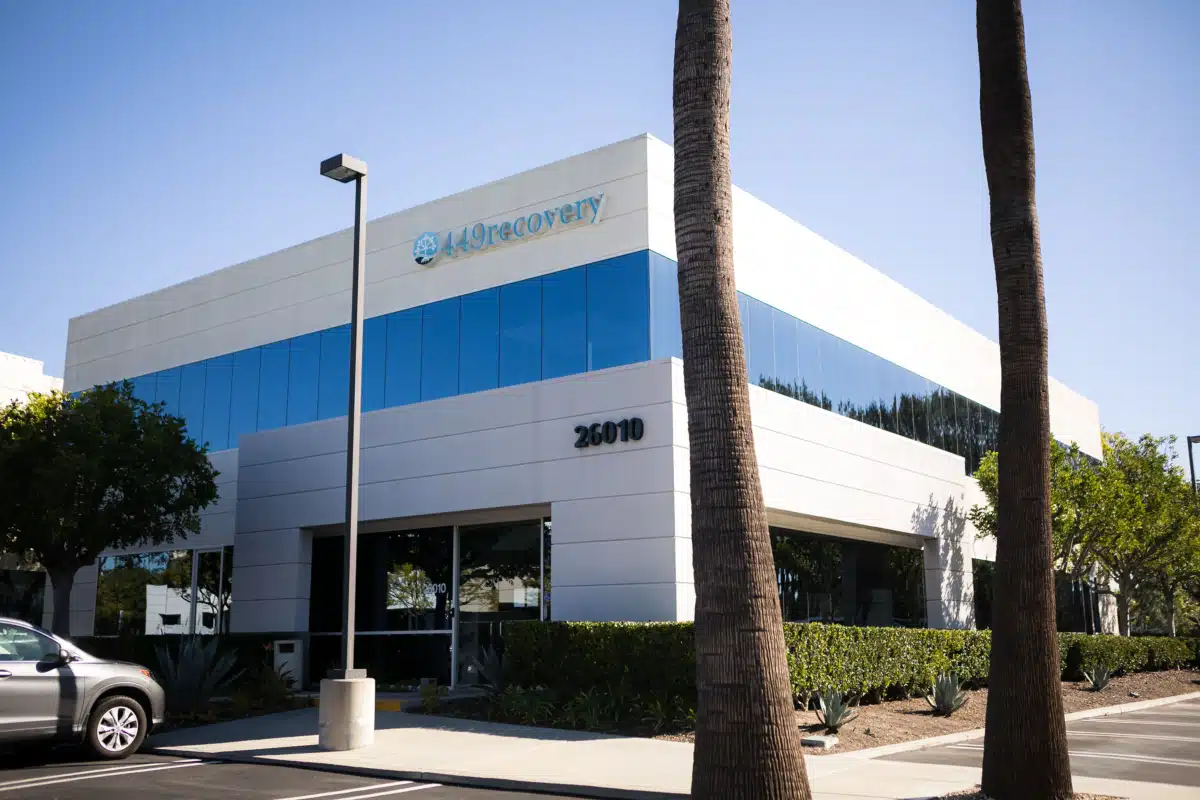
Nestled in Mission Viejo, CA, 449 Recovery provides targeted substance use treatment designed for adults grappling with severe mental health disorders, as well as emotional disturbances in children. This center offers a range of services, including intensive outpatient treatment, outpatient day treatment, and partial hospitalization. With a strong emphasis on 12-step facilitation, anger management, and brief intervention techniques, the facility is equipped to support both men and women, including those who have faced intimate partner or domestic violence. By catering to individuals of all genders, 449 Recovery is committed to delivering personalized care and support for adults and young adults seeking thorough rehabilitation services in a safe, compassionate setting.
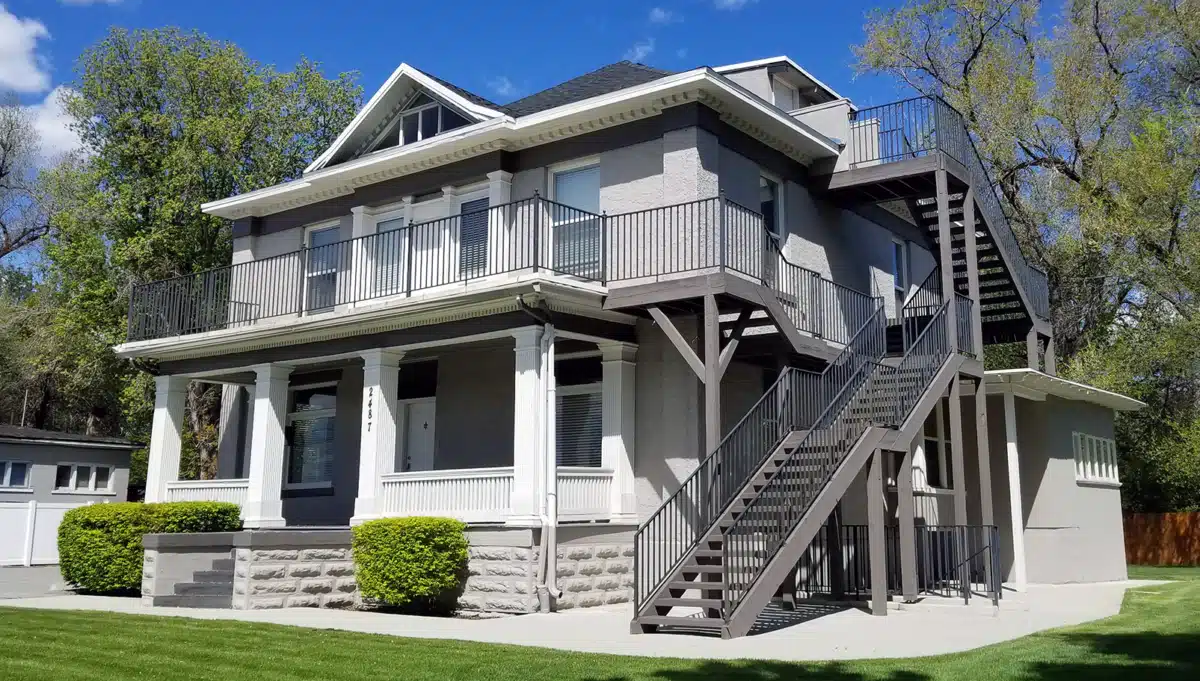
Nestled in the heart of Salt Lake City, UT, 7th Street is dedicated to delivering specialized rehabilitation services aimed at addressing substance use and co-occurring mental health challenges for both adults and children. The center boasts a range of treatment options, including intensive outpatient programs, long-term residential care, and traditional outpatient services, all grounded in effective methods such as 12-step facilitation, anger management, and brief intervention strategies. Recognizing the unique needs of their clients, tailored programs are available specifically for adult men, adult women, and those who have faced trauma. With a keen focus on serving adult and young adult populations, individuals of all genders can experience the high-quality care and extensive services that this facility provides.
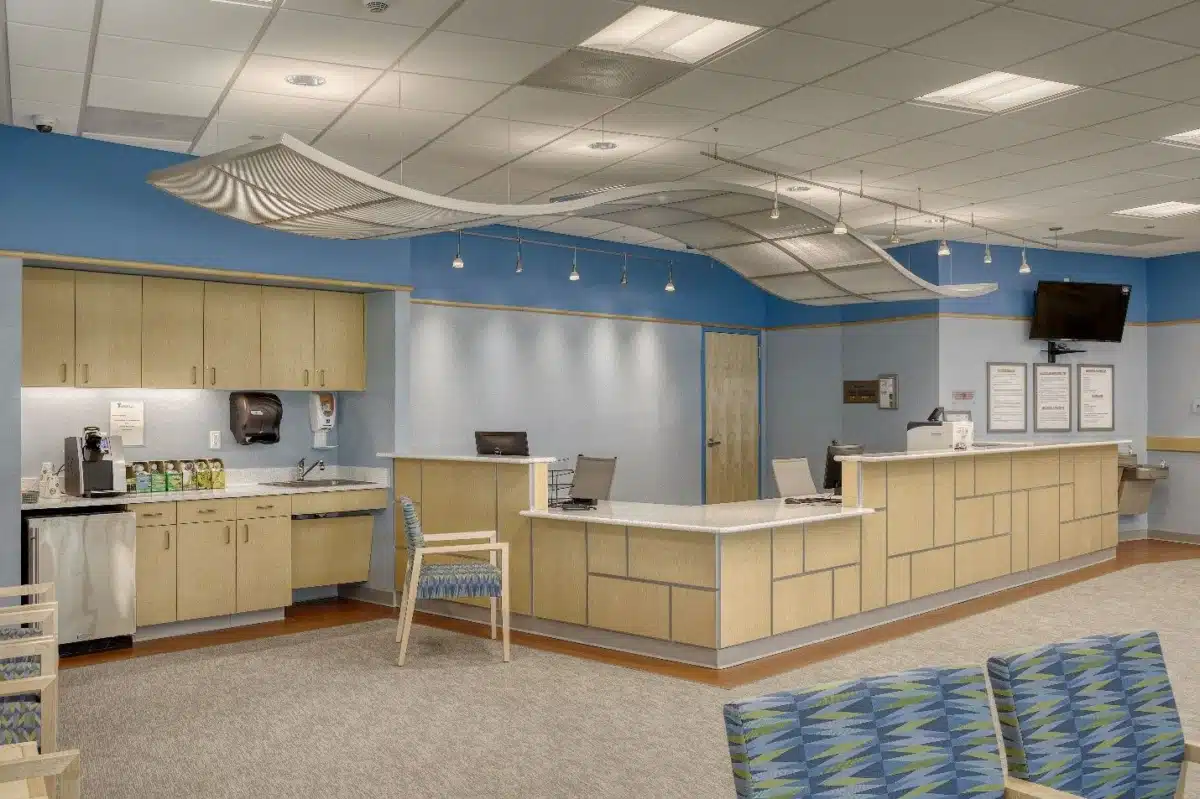
Located in Jessup, MD, A Brighter Day Behav Health Center LLC offers a variety of evidence-based treatment programs designed for adults and young adults facing the challenges of substance use and co-occurring mental health disorders. The center provides a spectrum of services, including intensive outpatient, regular outpatient, and general outpatient options. Employing techniques like cognitive behavioral therapy, motivational interviewing, and contingency management, the facility addresses a wide range of needs. With specialized programs tailored for adult men, women, and clients grappling with co-occurring disorders, A Brighter Day Behav Health Center LLC is dedicated to delivering quality care that is both personalized and compassionate, guiding clients on their journey to recovery with expertise and understanding.
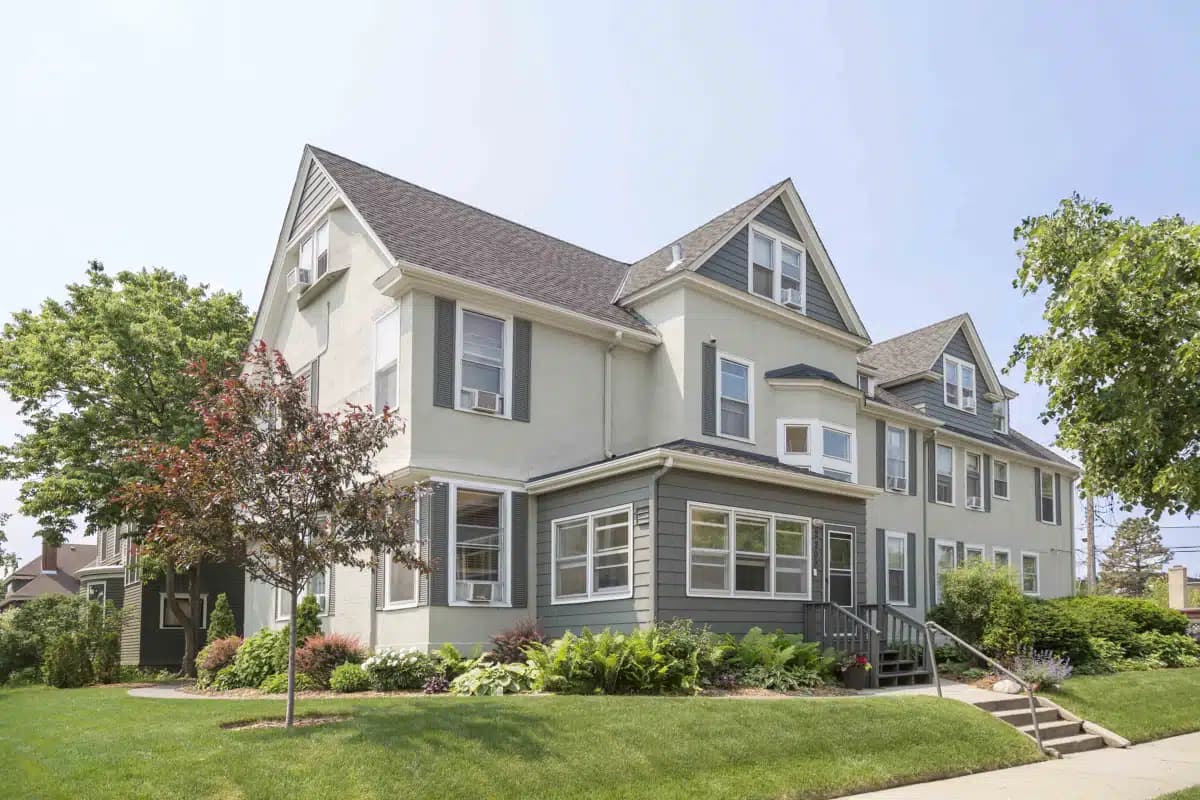
Nestled in the heart of Minneapolis, MN, the 3Rs NUWAY Counseling Center is dedicated to offering a wide range of substance use treatment options and specialized care for individuals grappling with serious mental health challenges or emotional disturbances. The center champions both intensive outpatient and standard outpatient programs, employing techniques such as 12-step facilitation, anger management, and brief intervention methods. To meet diverse needs, they provide customized programs designed specifically for adult men, adult women, and those who have endured trauma. This facility serves a broad spectrum of clients—including adults and young adults of all genders—with a strong emphasis on delivering personalized, high-quality care aimed at fostering recovery and promoting long-term well-being.
A Beautiful Mind Inc, situated in the heart of Chicago, IL, specializes in offering an extensive range of substance use treatment options for both adults and children grappling with serious mental health issues or emotional disturbances. This center features a variety of programs—including intensive outpatient, outpatient, and regular outpatient treatment—that incorporate methods such as 12-step facilitation, anger management, and brief intervention techniques. With dedicated programs designed specifically for adolescents, adult men, and adult women, the facility is well-equipped to meet the needs of a diverse clientele. A Beautiful Mind Inc is committed to delivering high-quality, personalized care to all adults and young adults, regardless of gender, solidifying its reputation as a leading choice for those in search of effective rehabilitation services.
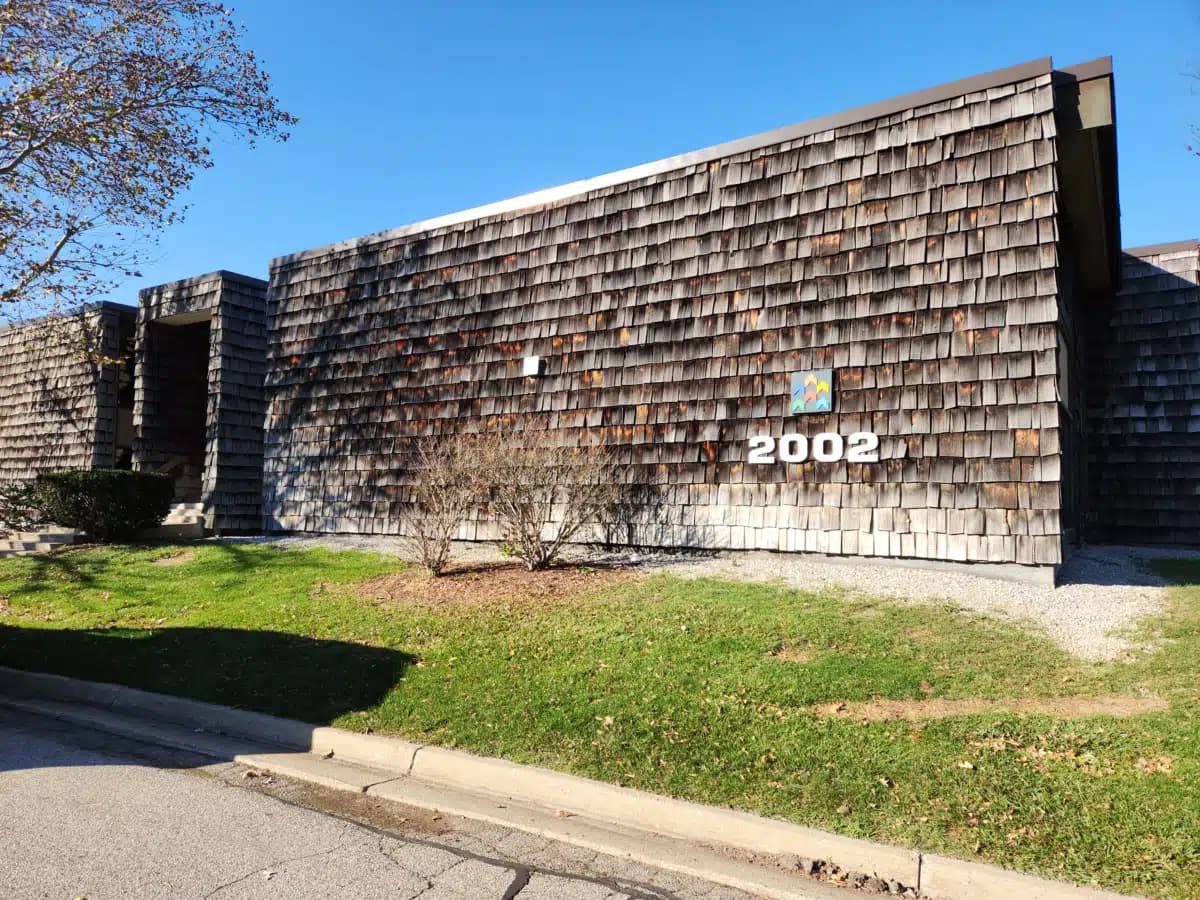
Located in Ann Arbor, MI, 1st Step Referral Services provides outpatient treatment for substance use and co-occurring disorders, catering to both adults and children. Their offerings encompass anger management, brief intervention, and cognitive behavioral therapy, all designed to address a variety of challenges. This facility distinguishes itself by offering specialized programs for active duty military personnel, adolescents, and adult men. With a keen emphasis on delivering individualized care for adults and seniors of all genders, 1st Step Referral Services is committed to meeting the unique needs of each client. Their focus on quality care and customized approaches has established them as a leading choice for individuals seeking effective treatment for addiction and mental health issues.
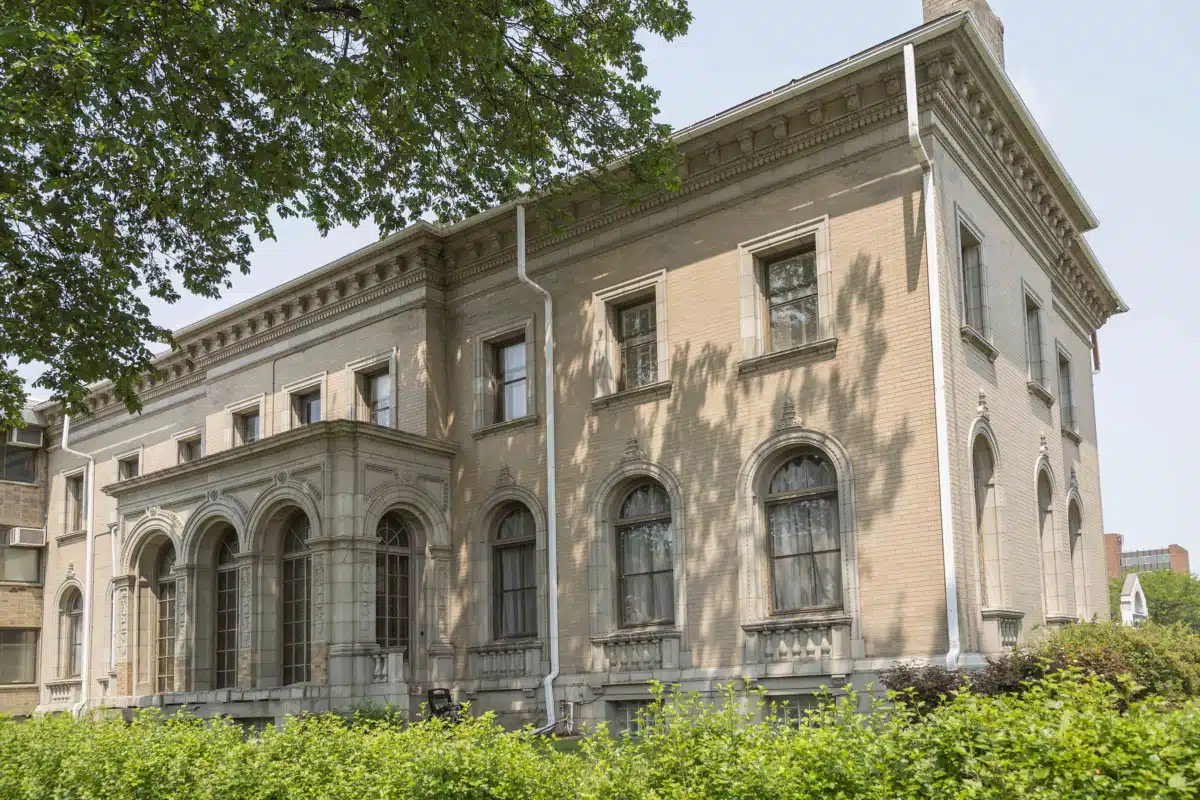
Nestled in the heart of Minneapolis, MN, the 2118 NUWAY Counseling Center specializes in substance use treatment for adults grappling with serious mental health conditions, as well as emotional disturbances in children. The center features both intensive outpatient and outpatient programs that employ evidence-based methods, including 12-step facilitation, anger management, and brief interventions. Understanding the unique needs of its clients, the center offers tailored programs designed for adult men, adult women, and those who have faced trauma. Welcoming individuals of all genders, this facility is committed to providing personalized care that guides each person along their recovery journey. With its emphasis on quality and specialized support, the 2118 NUWAY Counseling Center stands as a beacon of hope for anyone in pursuit of comprehensive rehabilitation services.
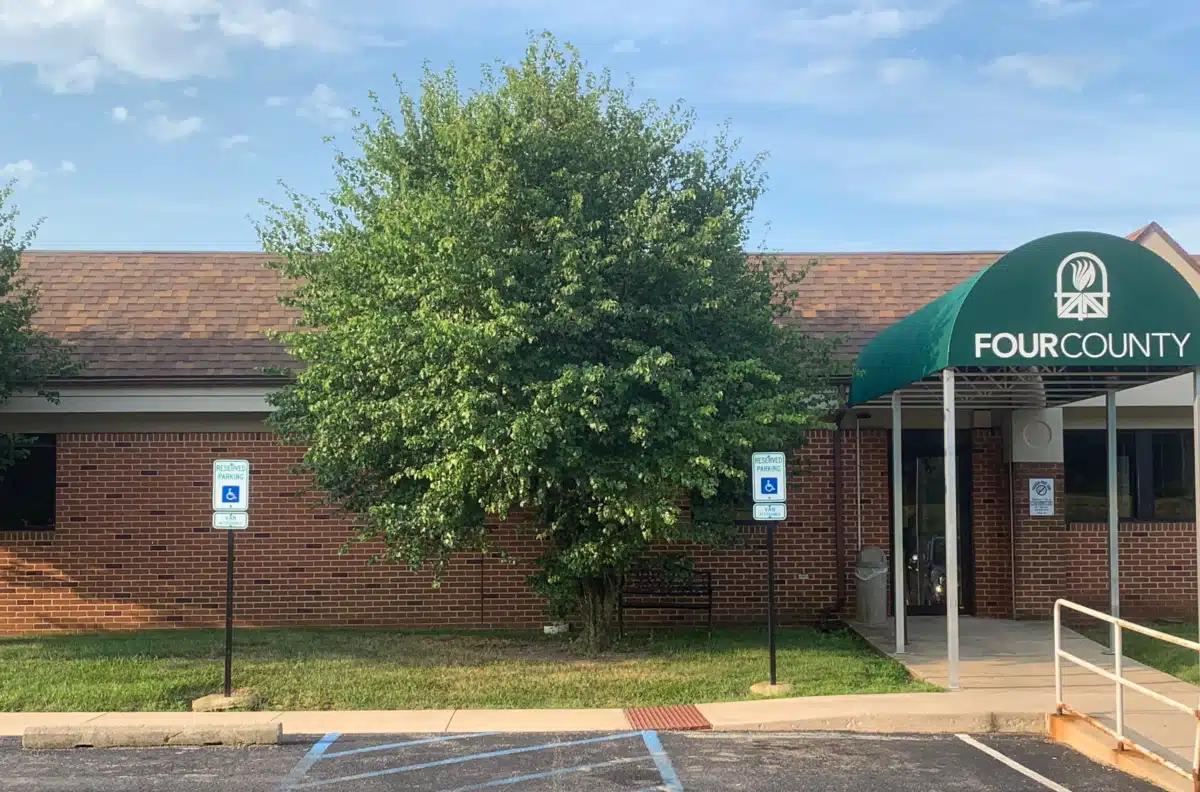
Located in Rochester, IN, 4C Health specializes in outpatient substance use treatment, providing essential care for individuals grappling with both substance use disorders and serious mental health challenges or emotional disturbances. The center employs evidence-based methodologies, including anger management, brief interventions, and cognitive behavioral therapy, to conduct regular outpatient sessions. 4C Health takes pride in offering customized programs designed for various demographics, including adolescents, adult women, and those who have faced intimate partner violence. By serving adults and seniors of all genders, the center places a strong emphasis on delivering high-quality care, focusing on individualized treatment plans and comprehensive support for individuals striving towards recovery from addiction and mental health difficulties.
Located in Litchfield Park, AZ, 2nd Chance Treatment Center delivers a wide array of outpatient services designed for those striving to overcome substance use disorders. The center has a strong focus on detoxification, tailored substance use treatment, and addressing co-occurring mental health conditions in adults, alongside providing support for emotional disturbances in children. By employing techniques like motivational interviewing, relapse prevention strategies, and specialized counseling for substance use disorders, the center crafts personalized treatment plans to meet individual needs. With dedicated programs catering to active duty military personnel, adolescents, and adult men, 2nd Chance Treatment Center embraces a range of diverse populations. Committed to serving both adults and children/adolescents of all genders, this facility prioritizes high-quality care and compassionate support as individuals navigate their paths to sobriety.
In Peru, IN, 4C Health is dedicated to providing outpatient treatment for substance use disorders, while also addressing co-occurring issues related to serious mental health challenges in adults and emotional disturbances in children. The center offers a range of treatments, including outpatient options for methadone, buprenorphine, and naltrexone, all facilitated through various therapeutic approaches such as anger management, brief interventions, and cognitive behavioral therapy. With specialized programs designed for adolescents as well as adult men and women, 4C Health caters to the unique needs of individuals across the age spectrum. This inclusive facility serves adults and seniors of all genders, ensuring that each person receives care that is tailored to their specific circumstances. By emphasizing evidence-based practices and creating personalized treatment plans, 4C Health demonstrates a strong commitment to providing high-quality care for those on their journey to recovery.
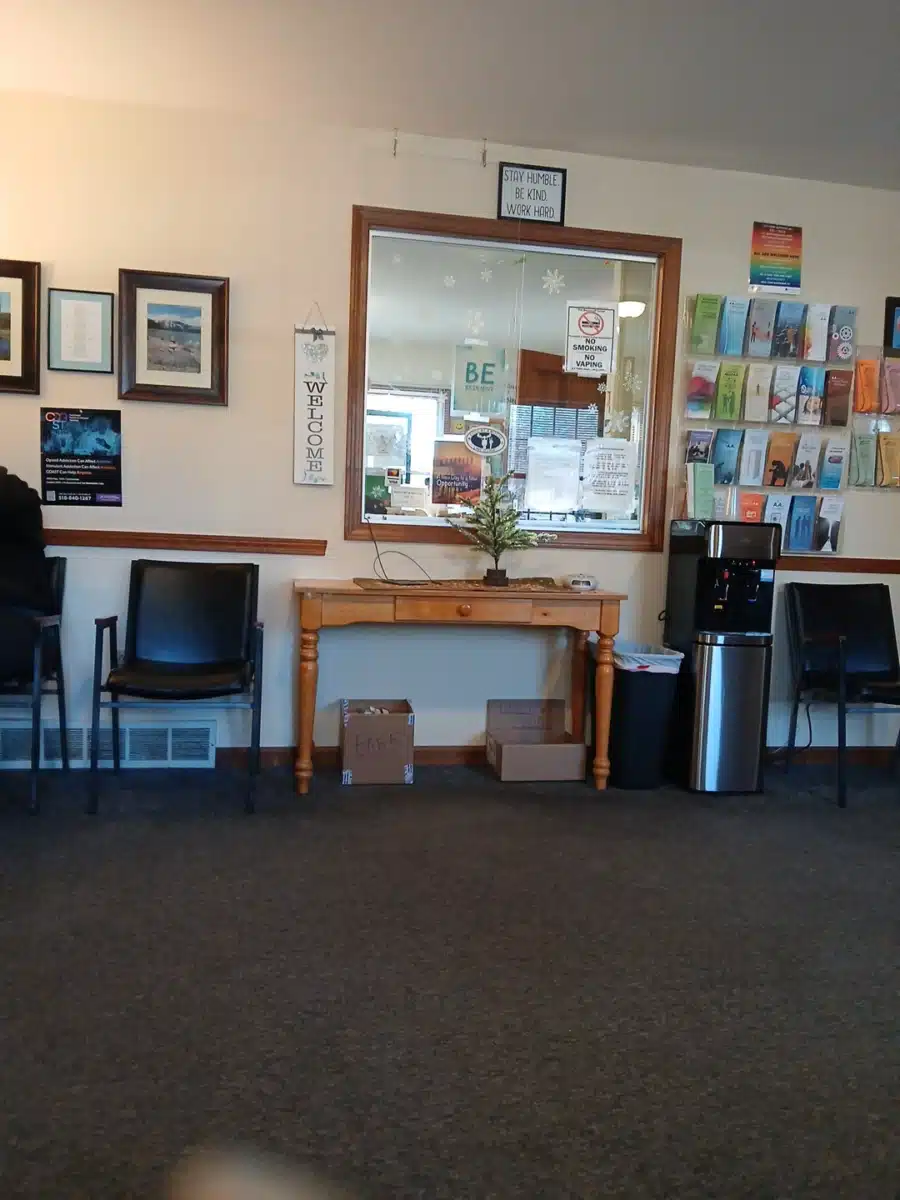
Located in Queensbury, NY, 820 River Street Inc offers a wide array of substance use treatment options for adults grappling with serious mental health issues, as well as for children facing emotional disturbances. The center provides a variety of services, including intensive outpatient programs, standard outpatient care, and treatments involving methadone and buprenorphine. They employ various therapeutic approaches, such as 12-step facilitation, brief intervention, and cognitive behavioral therapy, to best support their clients. Recognizing the unique needs of different populations, the facility features specialized programs for active duty military personnel, adolescents, and adult men, making it a welcoming space for a diverse clientele. Committed to high-quality, individualized care, 820 River Street Inc serves both adults and children/adolescents, accepting clients of all genders to support their journeys toward successful rehabilitation.
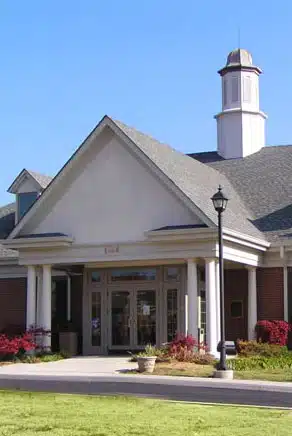
Located in White Pine, TN, 4th Judicial District Recovery Services Inc offers a wide array of substance use treatment options specifically designed for adults and young adults. This facility stands out with its specialized programs that cater not only to clients dealing with co-occurring mental health and substance use disorders, but also those involved with the criminal justice system. Available services include intensive outpatient, outpatient, and regular outpatient treatment, ensuring flexibility to meet diverse needs. Employing a mix of 12-step facilitation, cognitive behavioral therapy, and community reinforcement plus vouchers, the center emphasizes personalized care for each individual. Committed to providing quality support, it welcomes both male and female clients who are on the path to recovery, particularly in structured settings such as transitional housing, halfway houses, and sober living environments.
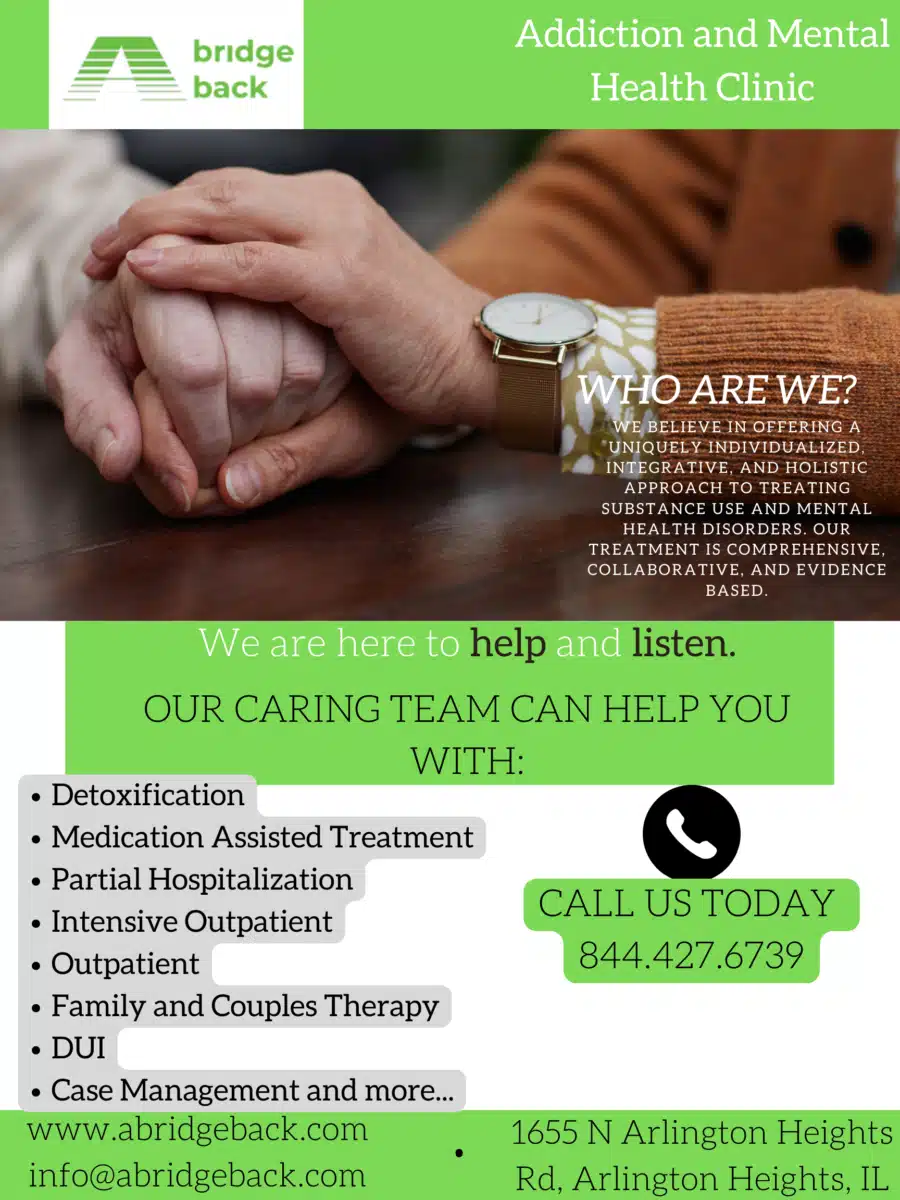
Located in Arlington Heights, IL, A Bridge Back Inc. offers an extensive array of rehabilitation services tailored for individuals grappling with substance use disorders alongside co-occurring mental health conditions. The center specializes in intensive outpatient treatment, outpatient day treatment, and partial hospitalization programs, all grounded in evidence-based practices such as cognitive behavioral therapy, anger management, and brief intervention. Moreover, they provide specialized programs designed for active duty military personnel, as well as distinct services for adult men and women. Prioritizing quality care, this facility welcomes adults and young adults of all genders, fostering a supportive and structured environment that promotes recovery and facilitates successful reintegration into everyday life.
Located in Jackson, MS, "A Bridge to Recovery" provides a wide range of substance use treatment options designed for both adults and young adults. Their offerings include intensive outpatient programs, regular outpatient care, and everything in between. The facility stands out for its expertise in anger management, cognitive behavioral therapy, and motivational interviewing techniques. With customized programs catering specifically to adult men, adult women, and individuals grappling with both mental health and substance use disorders, this center ensures a personalized approach to healing. By serving clients of all genders, "A Bridge to Recovery" emphasizes high-quality treatment, dedicated to guiding individuals toward a successful journey of sobriety.
Nestled in Warren, AR, the 10th District Substance Abuse Program delivers an extensive array of substance use treatment services. This facility specializes in intensive outpatient treatment, outpatient day programs, and partial hospitalization, ensuring a comprehensive approach to care. Emphasizing 12-step facilitation, anger management, and brief intervention strategies, the center is dedicated to supporting adult men and women, including individuals grappling with co-occurring mental health and substance use disorders. In addition to its core services, the program also offers transitional housing and sober living options for both adults and young adults. With a commitment to providing tailored care, this facility prioritizes individualized treatment plans for both female and male clients, effectively guiding them on their unique paths to recovery.
The 228 COE House, located in Framingham, MA, is dedicated to providing long-term residential treatment for adults dealing with substance use and serious co-occurring mental health challenges, as well as addressing significant emotional disturbances in children. The facility specializes in a variety of therapeutic approaches, including 12-step facilitation, brief intervention, and cognitive behavioral therapy, ensuring that each individual receives a personalized path to recovery. With programs specially designed for adult women and clients who have faced intimate partner violence or trauma, the center extends its services to adults, seniors, and young adults, all within a framework that prioritizes quality care in a secure and nurturing atmosphere. Exclusively focused on female clients, the 228 COE House stands out with its comprehensive and unique rehabilitation program.
Located in Windsor Mill, MD, 4 2 Restore LLC offers a wide range of rehabilitation services tailored for adults and seniors facing substance use disorders alongside co-occurring mental health issues. This facility specializes in hospital inpatient detoxification and treatment, featuring dedicated programs for adult men, adult women, and individuals with dual diagnoses. Their comprehensive approach incorporates techniques such as anger management, brief intervention, and cognitive behavioral therapy, all designed to foster a holistic recovery experience. Prioritizing quality care and personalized treatment plans, 4 2 Restore LLC strives to support both male and female clients on their path to long-term sobriety and improved mental wellness.
About Dual Diagnosis Treatment
Dual diagnosis treatment centers provide integrated care for co-occurring mental health and substance use disorders (SUDs), addressing both conditions simultaneously rather than sequentially. According to the 2021 National Survey on Drug Use and Health (NSDUH), approximately 9.2 million U.S. adults experience co-occurring disorders, yet only 7.4% receive treatment for both conditions. Research published in the Journal of the American Medical Association demonstrates that integrated dual diagnosis programs achieve 25-50% higher sustained remission rates compared to sequential or parallel treatment models.
What Is Dual Diagnosis?
Dual diagnosis—clinically referred to as co-occurring disorders (COD) or comorbid conditions—describes the simultaneous presence of at least one mental health disorder and one substance use disorder in the same individual. The self-medication hypothesis, first proposed by psychiatrist Edward Khantzian, explains a primary pathway: individuals use substances to alleviate psychiatric symptoms such as anxiety, depression, or trauma-related distress, which then develops into a separate addiction requiring its own treatment.
The National Institute on Drug Abuse (NIDA) reports that approximately 50% of individuals with a severe mental illness also have a substance use disorder. Conversely, the National Institute of Mental Health (NIMH) notes that people with SUDs are roughly twice as likely to develop mood and anxiety disorders compared to the general population.
Common co-occurring diagnostic combinations include:
- Major depressive disorder (MDD) and alcohol use disorder—co-occurrence rate of approximately 27-40%
- Generalized anxiety disorder (GAD) and benzodiazepine or alcohol dependence
- Post-traumatic stress disorder (PTSD) and opioid use disorder—up to 41% comorbidity in clinical populations
- Bipolar I and II disorders and stimulant or alcohol misuse—lifetime SUD prevalence of 56%
- Schizophrenia spectrum disorders and cannabis or nicotine use disorder
- Attention-deficit/hyperactivity disorder (ADHD) and stimulant, cannabis, or alcohol misuse
- Borderline personality disorder (BPD) and polysubstance use—comorbidity rates as high as 78%
Why Integrated Treatment Matters for Co-Occurring Disorders
Historically, the mental health and addiction treatment systems operated in silos—a practice known as sequential treatment—which produced relapse rates exceeding 70%. The Substance Abuse and Mental Health Services Administration (SAMHSA) now endorses integrated treatment as the clinical standard of care for dual diagnosis, based on evidence from the landmark TIP 42 guidelines. Integrated treatment unifies psychiatric and addiction services within one coordinated treatment team, eliminating the fragmented care that previously led to treatment dropout and poor outcomes.
Clinically documented benefits of integrated dual diagnosis treatment include:
- Coordinated psychopharmacology from a unified psychiatric and addiction medicine team
- Identification and treatment of bidirectional interactions between psychiatric and substance use symptoms
- Reduced hospitalization rates—studies show a 30-50% decrease in psychiatric emergency visits
- Lower relapse rates for both the mental health and substance use conditions
- Improved functional outcomes including employment, housing stability, and social functioning
- Higher treatment retention and completion rates compared to non-integrated models
Clinical Components of Dual Diagnosis Treatment Centers
Comprehensive Biopsychosocial Assessment
Accurate differential diagnosis is the foundation of effective dual diagnosis care. Board-certified psychiatrists and licensed clinical psychologists conduct structured clinical interviews using validated instruments such as the MINI International Neuropsychiatric Interview, the Addiction Severity Index (ASI), and the PHQ-9 for depression screening. The assessment determines the temporal relationship between disorders—distinguishing substance-induced psychiatric symptoms from independent co-occurring conditions—which directly informs the treatment plan.
Psychopharmacological Management
Addiction psychiatrists—physicians with board certification in both general psychiatry and addiction medicine—select medications with low abuse potential that effectively manage psychiatric symptoms. Non-addictive antidepressants (SSRIs such as sertraline, SNRIs such as venlafaxine), mood stabilizers (lithium, valproate), and atypical antipsychotics may be prescribed alongside medication-assisted treatment (MAT) for the substance use disorder, including buprenorphine, naltrexone, or acamprosate. Regular pharmacogenomic considerations help optimize medication selection and dosing.
Evidence-Based Psychotherapies
Dual diagnosis treatment centers employ therapies with demonstrated efficacy for comorbid conditions:
- Cognitive Behavioral Therapy (CBT): Restructures maladaptive thought patterns that maintain both psychiatric symptoms and substance use; supported by over 300 randomized controlled trials
- Dialectical Behavior Therapy (DBT): Teaches emotional regulation, distress tolerance, interpersonal effectiveness, and mindfulness—particularly effective for patients with borderline personality disorder and SUDs
- Motivational Interviewing (MI): Resolves ambivalence about change and increases intrinsic motivation, often used in early treatment stages
- Integrated Group Therapy (IGT): Developed by Dr. Roger Weiss at Harvard Medical School specifically for dual diagnosis, addressing relapse prevention for both conditions simultaneously
- Seeking Safety: A present-focused therapy designed for individuals with comorbid PTSD and substance use disorders, emphasizing safety and coping skills
- Contingency Management (CM): Uses positive reinforcement to encourage abstinence and treatment adherence, with strong evidence for stimulant use disorders
Peer Support and Long-Term Recovery
Sustained recovery from co-occurring disorders requires ongoing community support. 12-step programs and SMART Recovery offer mutual-aid frameworks, while Dual Recovery Anonymous (DRA) and Double Trouble in Recovery (DTR) provide specialized peer support groups designed specifically for individuals managing both psychiatric and substance use conditions. Research from the Journal of Substance Abuse Treatment shows that consistent participation in peer support groups reduces relapse risk by approximately 40%.
Levels of Care for Dual Diagnosis Treatment
The American Society of Addiction Medicine (ASAM) Criteria guides placement decisions across a continuum of care. Dual diagnosis treatment centers typically offer multiple intensity levels to match individual clinical needs:
- Medically managed detoxification: 24/7 medical supervision for safe withdrawal management, often the first step
- Residential/inpatient treatment: 24-hour structured therapeutic environment, typically 30-90 days, recommended for severe or acute presentations
- Partial hospitalization programs (PHP): 5-7 days per week of intensive programming while living at home or in supportive housing
- Intensive outpatient programs (IOP): 9-20 hours per week of structured treatment, allowing patients to maintain work or school
- Outpatient treatment: Ongoing therapy and medication management for sustained recovery maintenance
How to Choose a Dual Diagnosis Treatment Center
When evaluating dual diagnosis treatment centers, prioritize programs that employ board-certified addiction psychiatrists, hold accreditation from the Joint Commission (JCAHO) or CARF International, and follow SAMHSA TIP 42 integrated treatment guidelines. Verify that the facility offers both psychiatric and addiction services under one clinical team rather than contracting separately. Explore our treatment center directory to find accredited dual diagnosis programs with verified credentials and specialized clinical staff.