Bipolar Disorder Rehab Centers
Bipolar disorder, characterized by episodes of mania and depression, co-occurs with substance use disorders at rates significantly higher than the general population. The impulsivity of manic episodes and the despair of depressive episodes both increase addiction risk. Effective treatment requires careful medication management for mood stabilization alongside comprehensive addiction therapy.
Found 12,199 rehab centers specializing in bipolar disorder across the United States.
Ready to Start Your Recovery Journey?
Our specialists will match you with the right center — 100% free
Showing 20 of 12199 bipolar disorder rehab centers
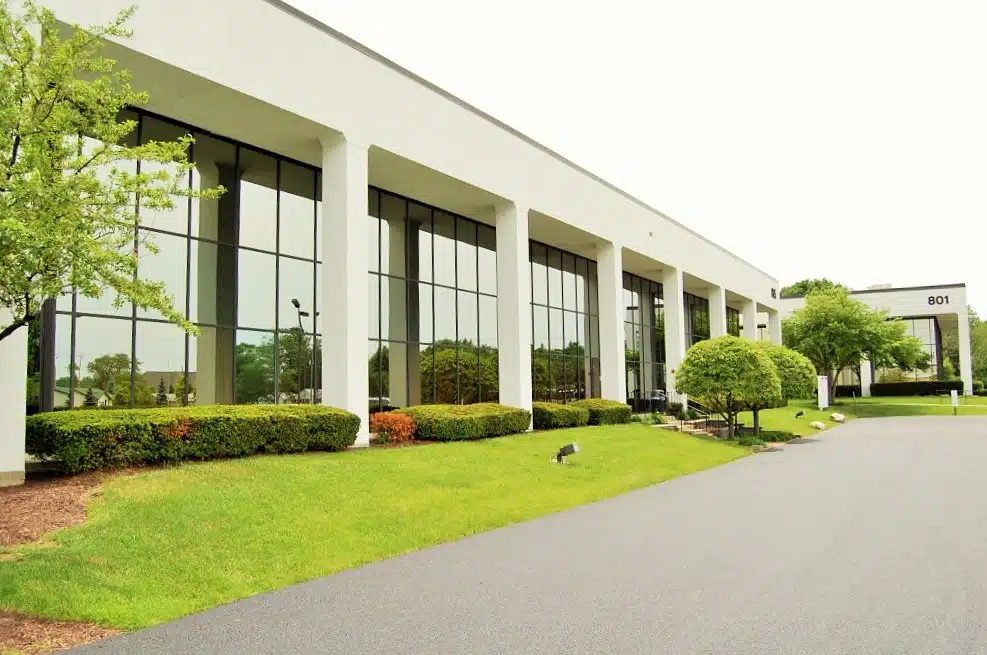
Located in Joliet, IL, Paramos Counseling Center specializes in substance use treatment, offering a variety of programs that cater specifically to individual needs. The facility provides a spectrum of options, including intensive outpatient, outpatient, and regular outpatient treatment. By employing evidence-based approaches such as brief intervention, cognitive behavioral therapy, and motivational interviewing, the center ensures effective care. Paramos Counseling Center also features dedicated programs for adult men and women, serving both adults and young adults across genders. Clients can look forward to receiving high-quality care from experienced professionals in a nurturing environment that fosters lasting recovery.
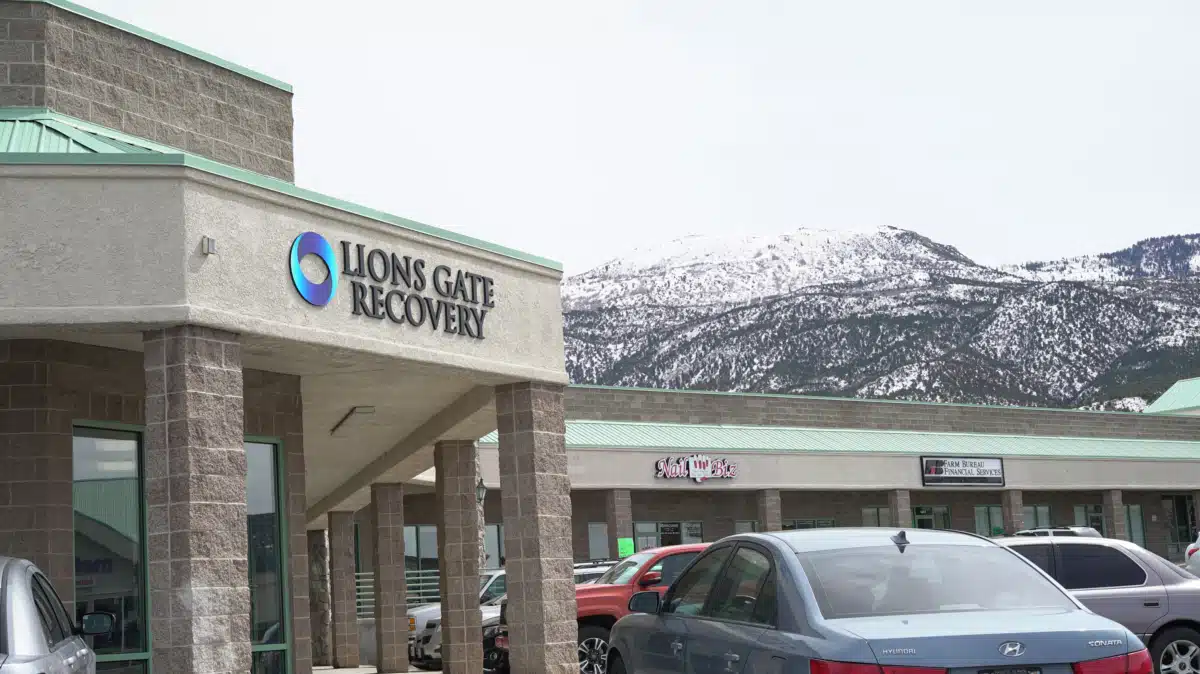
Nestled in Saint George, UT, Lions Gate Recovery is dedicated to offering comprehensive treatment programs for substance use, specifically designed for adults and young adults. The facility features specialized tracks for active duty military personnel, as well as programs tailored for adult men and women. With options that range from intensive outpatient care to outpatient and day treatment, Lions Gate Recovery employs a variety of approaches, including 12-step facilitation, anger management, and brief interventions. This ensures that every individual receives personalized care. Their programs emphasize evidence-based treatments and create a nurturing environment that supports both male and female clients on their paths to recovery. If you’re looking for effective and individualized addiction treatment, Lions Gate Recovery stands ready to assist you on your journey toward sobriety.

Situated in Pueblo, CO, Health Solutions delivers a wide array of outpatient substance use treatment programs designed for both adults and young adults. The center specializes in addressing co-occurring disorders, effectively catering to adults with substance use and serious mental health issues, as well as children grappling with significant emotional disturbances. With a commitment to personalized care, Health Solutions employs a variety of therapeutic approaches, including cognitive behavioral therapy, motivational interviewing, and strategies for relapse prevention. Additionally, the facility features specialized programs tailored for adult men and women, alongside support for clients who have endured intimate partner violence or domestic violence. Through its unwavering focus on quality care and individualized treatment plans, Health Solutions is dedicated to guiding clients on their journeys toward lasting recovery.

Nestled in the heart of Philadelphia, PA, the Asociacion Puertorriquenos en Marcha center stands as a vital resource, offering outpatient detoxification and substance use treatment. Here, adults grappling with co-occurring substance use and serious mental health issues, as well as children facing emotional disturbances, can find the help they need. The facility excels in 12-step facilitation, anger management, and innovative brief intervention strategies, providing personalized care tailored specifically for active duty military personnel, adolescents, and adult men. With a commitment to serving individuals of all genders, the center ensures a comprehensive and individualized approach to treatment for both adults and children or adolescents alike. Dedicated to delivering quality care, Asociacion Puertorriquenos en Marcha shines as a beacon of hope for those embarking on their journey toward recovery and healing.
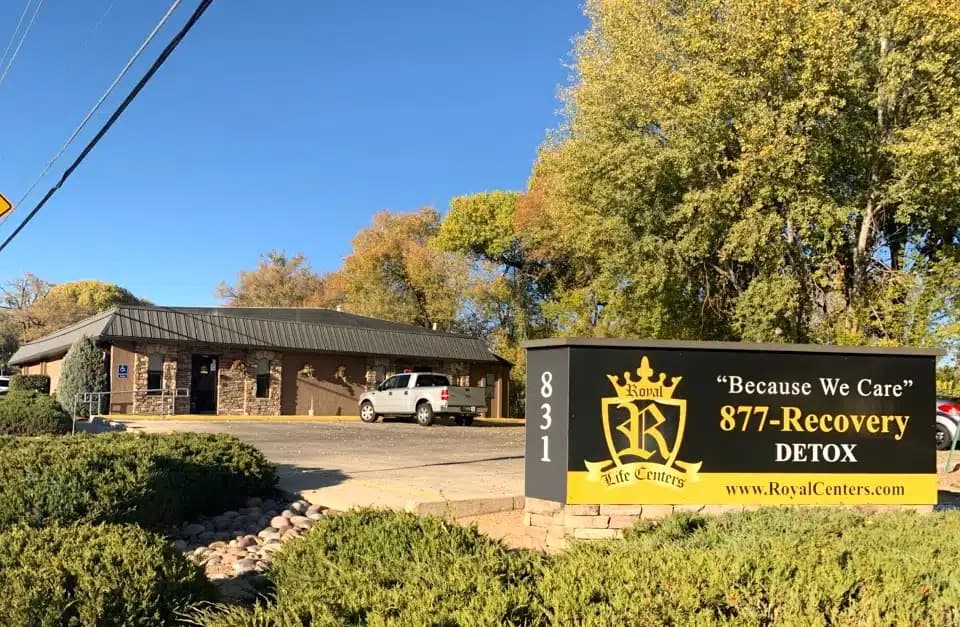
Located in Prescott, AZ, Royal Life Centers stands out for its exceptional substance use treatment, all delivered within a tranquil residential environment. This facility is dedicated to employing 12-step facilitation, anger management, and brief intervention strategies to effectively tackle addiction. They offer specialized programs designed for active duty military personnel, adult men, and individuals who have faced intimate partner violence, ensuring that the support provided is targeted and relevant. Catering to adults, seniors, and young adults alike, Royal Life Centers primarily focuses on male clients who are in search of comprehensive rehabilitation services. Here, you can expect not only high-quality care but also personalized treatment plans designed to foster effective recovery and promote lasting sobriety.

Oakland Psychological Clinic PC, located in Lake Orion, MI, specializes in outpatient substance use treatment that emphasizes individualized care. The clinic offers regular sessions that incorporate various approaches, including anger management, cognitive behavioral therapy, and motivational interviewing. Designed with adults and seniors of all genders in mind, this facility distinguishes itself through its dedication to crafting personalized treatment plans. Clients find themselves in a nurturing environment where they can effectively tackle their specific needs. With a committed team of professionals at the helm, Oakland Psychological Clinic PC is devoted to providing high-quality care for individuals striving to overcome the challenges associated with substance use.
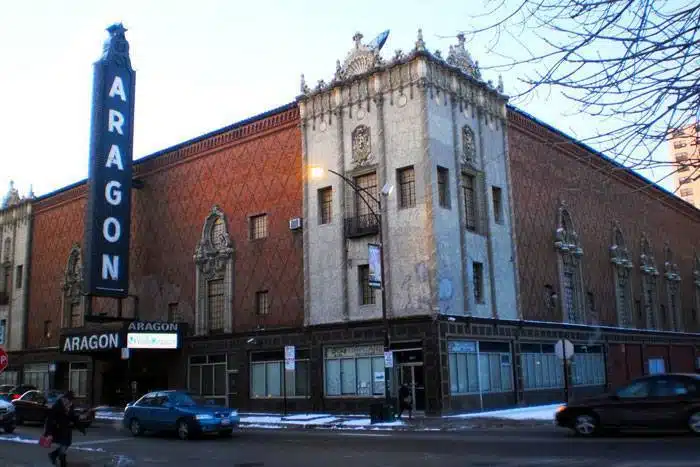
Situated in the vibrant city of Chicago, IL, Uptown DUI Services is dedicated to offering extensive substance use treatment for both adults and young adults. The center features a range of programs, including intensive outpatient treatment, outpatient therapy, and regular outpatient options. By incorporating a variety of methods—such as anger management, brief intervention, and cognitive behavioral therapy—this facility tailors its approach to meet the diverse needs of individuals on their journey to recovery. Additionally, special programs are designed specifically for active duty military personnel, as well as distinct services for adult men and women. By providing quality care to both male and female clients, Uptown DUI Services stands out as a supportive partner for those grappling with the complexities of addiction, ensuring they receive effective rehabilitation throughout the recovery process.
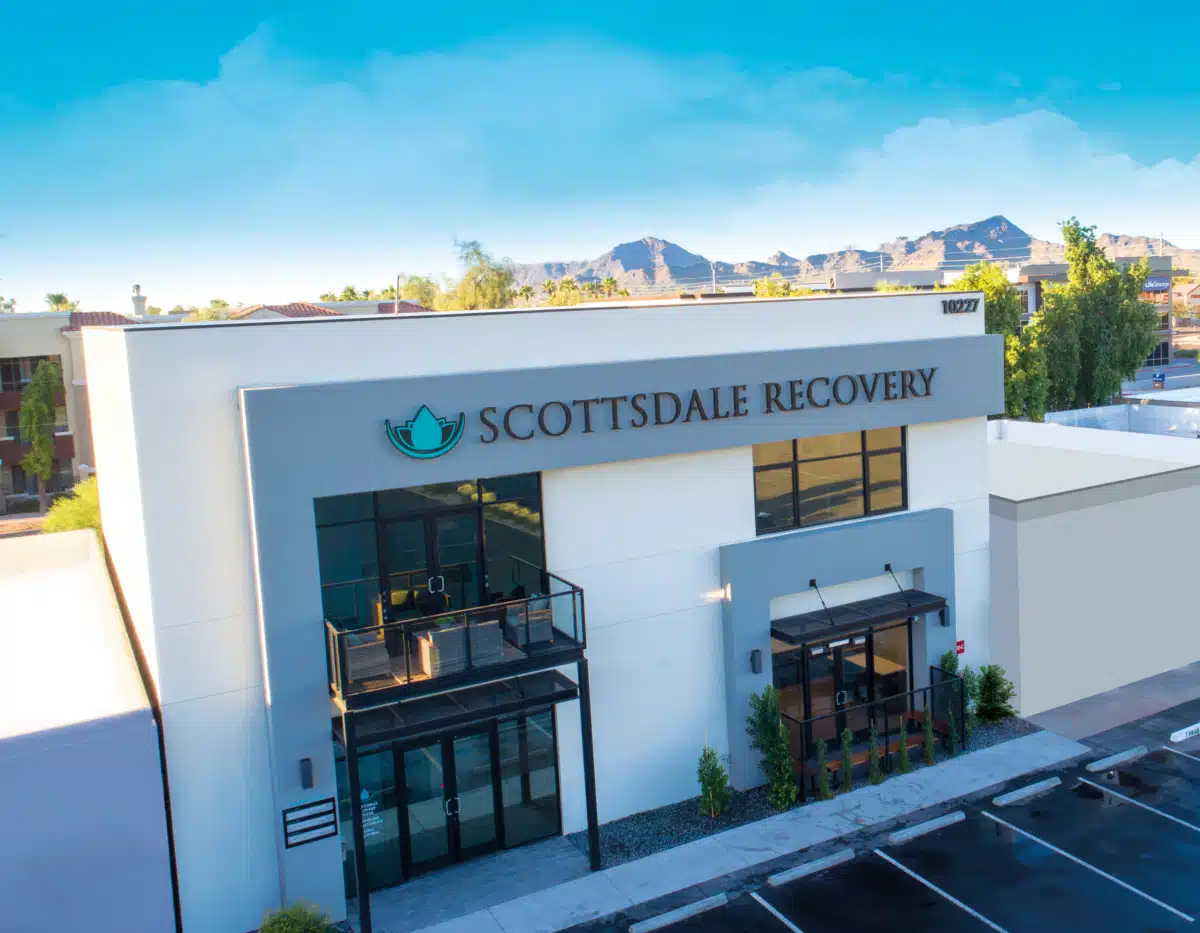
Located in Paradise Valley, AZ, Scottsdale Recovery II LLC specializes in providing hospital inpatient detox services for both adults and young adults who are on the journey to recovery from substance use disorders. This center offers comprehensive 24-hour hospital care, emphasizing a blend of 12-step facilitation, brief intervention techniques, and cognitive behavioral therapy. With tailored programs designed specifically for those facing co-occurring mental health and substance use issues, Scottsdale Recovery II LLC serves both men and women with a dedicated approach. Their unwavering commitment to delivering high-quality care and personalized treatment plans positions them as an essential resource for individuals ready to take their first steps towards sobriety.
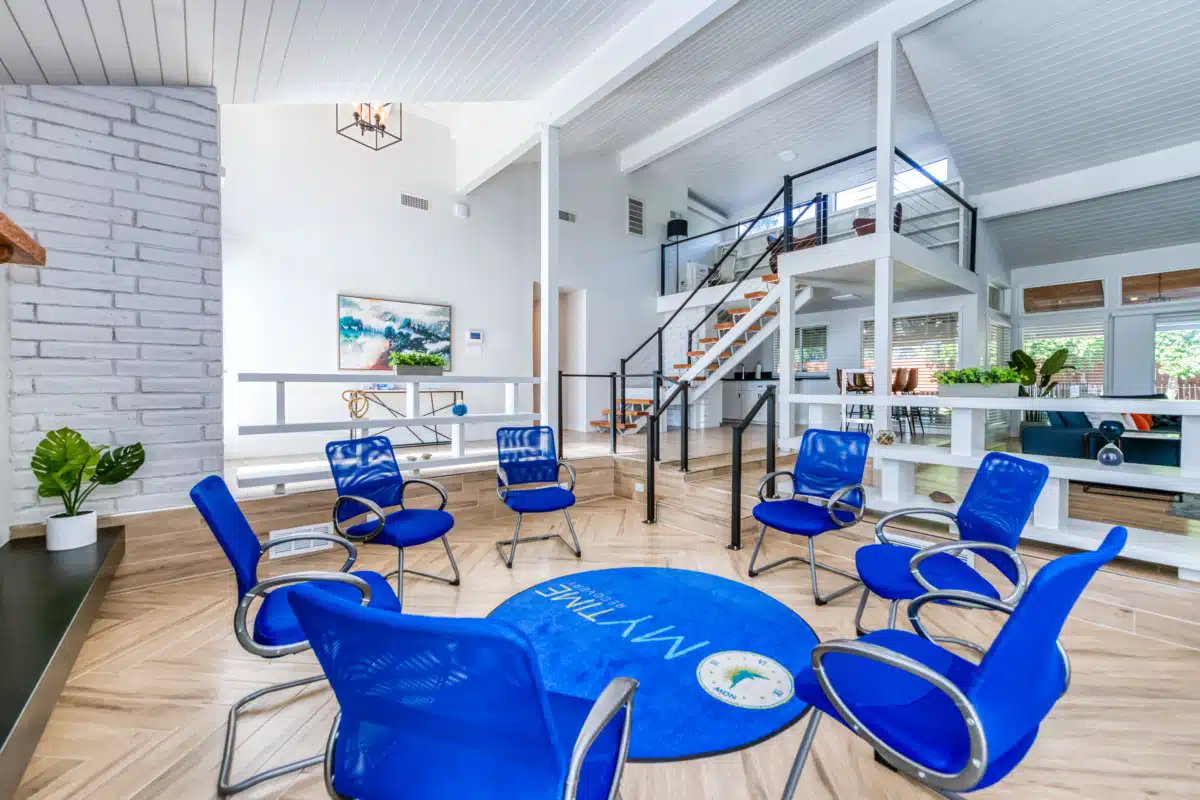
Central California Recovery Inc, located in Fresno, CA, delivers a comprehensive range of substance use treatment options tailored for both adults and young adults. The facility offers intensive outpatient, outpatient, and regular outpatient programs that incorporate evidence-based approaches, including cognitive behavioral therapy and contingency management. Emphasizing individualized care, Central California Recovery Inc customizes treatment plans to address the unique needs of each client. Welcoming both male and female clients, the center fosters a supportive and inclusive atmosphere. If you're seeking high-quality addiction treatment infused with a personal touch, Central California Recovery Inc is committed to guiding individuals on their journey toward lasting recovery.
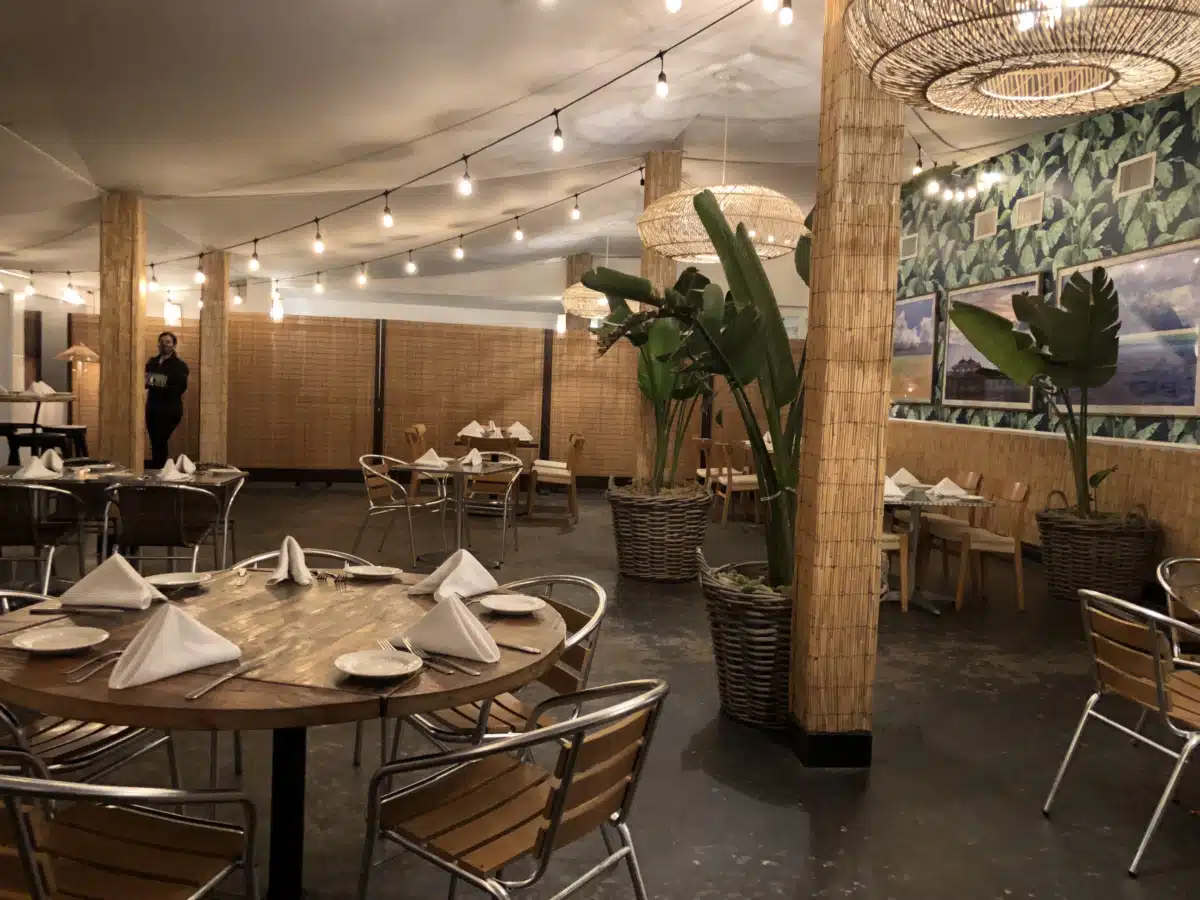
Nestled in the scenic community of Malibu, California, Sunset Malibu stands out by offering an extensive array of rehabilitation services aimed at adults and young adults grappling with substance use disorders and accompanying mental health issues. This facility specializes in hospital inpatient detoxification and treatment, boasting tailored programs designed for individuals who have suffered from intimate partner violence. By prioritizing a 12-step facilitation approach, alongside anger management and brief interventions, the center adeptly adapts its strategies to address the specific needs of each client. With services designed for both adult men and women, Sunset Malibu fosters a gender-specific and nurturing environment that is conducive to recovery. Its unwavering commitment to providing high-quality care makes it a preferred destination for those in search of effective and compassionate addiction treatment.
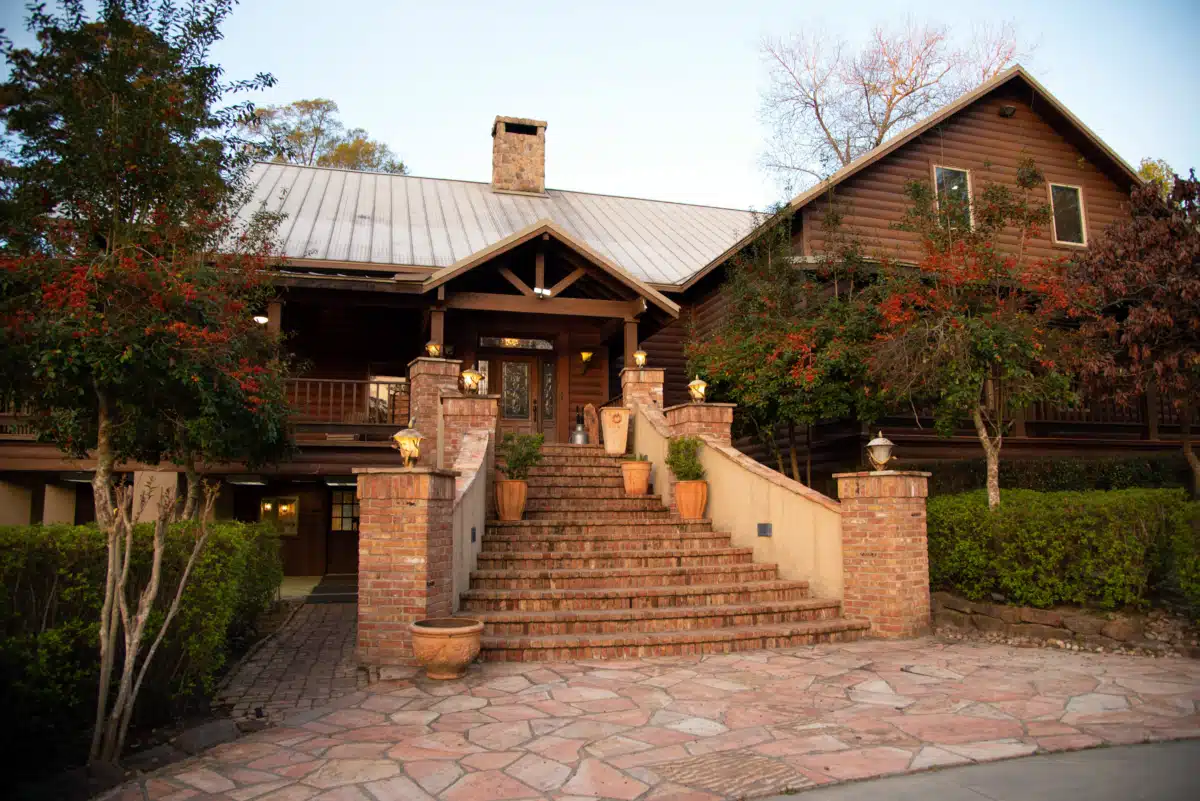
Nestled in Woodville, Texas, Cypress Lakes Lodge is dedicated to providing extensive rehabilitation services tailored for adults and young adults grappling with substance use issues and accompanying mental health disorders. The facility features inpatient detoxification and treatment programs, seamlessly integrating 12-step facilitation, anger management techniques, and brief interventions. With specialized offerings designed for active duty military personnel, as well as programs specifically for adult men and women, Cypress Lakes Lodge embraces a diverse range of individuals seeking help. Their commitment to quality care, combined with personalized treatment plans, positions them as a standout option for anyone in pursuit of effective and customized addiction recovery solutions.
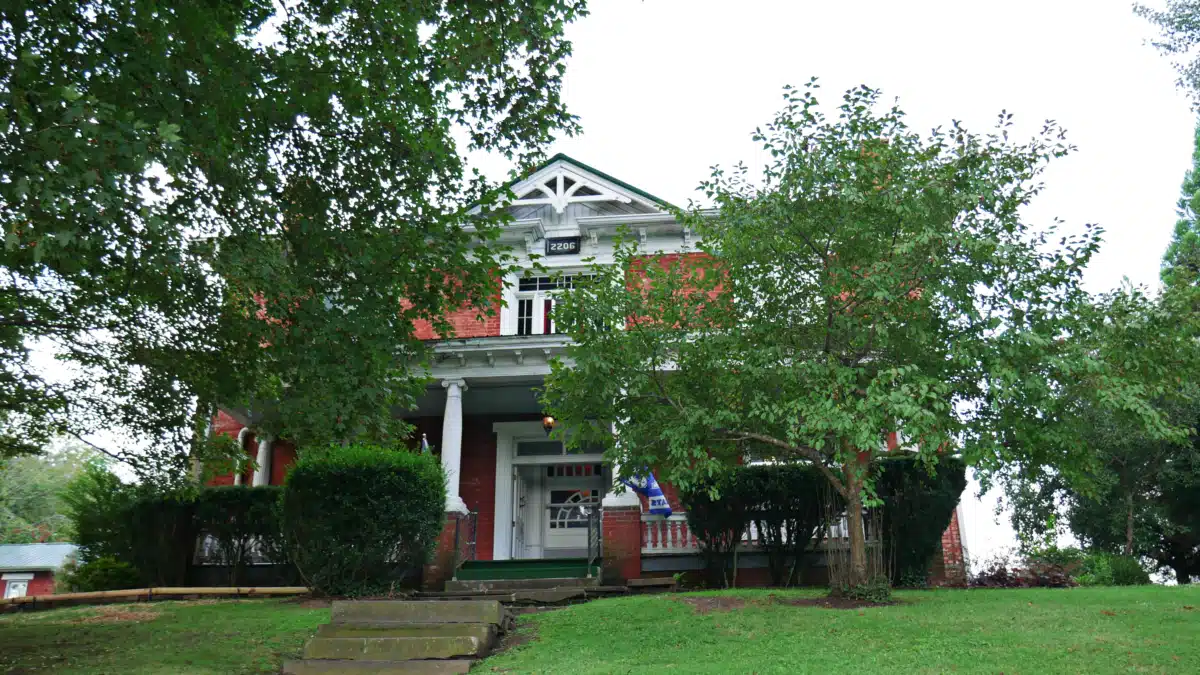
Nestled in Louisa, KY, Addiction Recovery Care (ARC) presents a holistic approach to substance use treatment specifically designed for adult women. The center offers a diverse array of treatment options, encompassing intensive outpatient, long-term residential, and standard outpatient programs. At ARC, the methodology is rooted in practices such as 12-step facilitation, anger management, and brief interventions, all tailored to meet individual needs. With a strong emphasis on personalized care, this facility is committed to delivering high-quality treatment to adults, seniors, and young adults alike. What sets ARC apart is its specialized programs and unwavering dedication to nurturing recovery within a compassionate environment. If you're on the lookout for effective addiction treatment that prioritizes a unique, individualized approach, you can trust that ARC is here to support you on the journey toward lasting recovery.
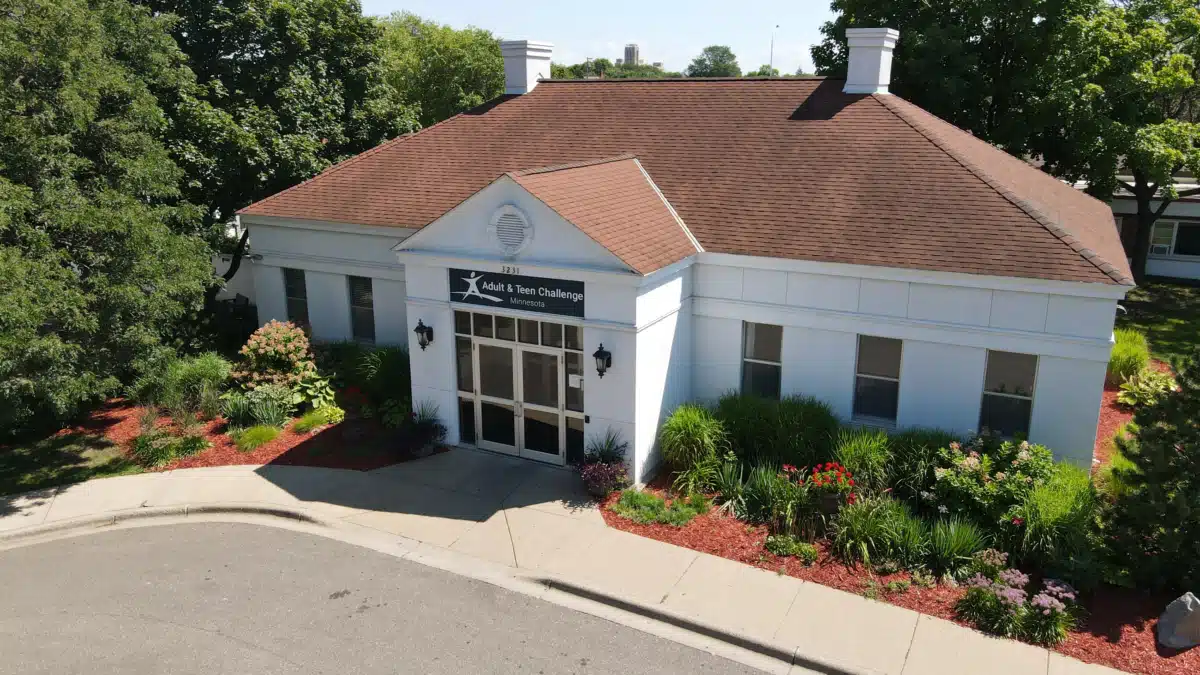
Located in Minneapolis, MN, Minnesota Adult and Teen Challenge provides a diverse array of addiction treatment services designed to meet the unique needs of each individual. This center offers detoxification, substance use treatment, and specialized support for both adults grappling with co-occurring substance use and severe mental health challenges, as well as for children facing emotional disturbances. With options like residential detoxification, round-the-clock care, and short-term residential programs, the facility is committed to customizing treatment pathways to suit personal circumstances. Employing a variety of proven approaches, including 12-step facilitation, anger management, and cognitive behavioral therapy, the center fosters a holistic recovery journey. Additionally, special programs are tailored specifically for adolescents, adult men, and adult women. By serving a wide array of age groups and genders, Minnesota Adult and Teen Challenge places a strong emphasis on providing quality care and personalized treatment planning.
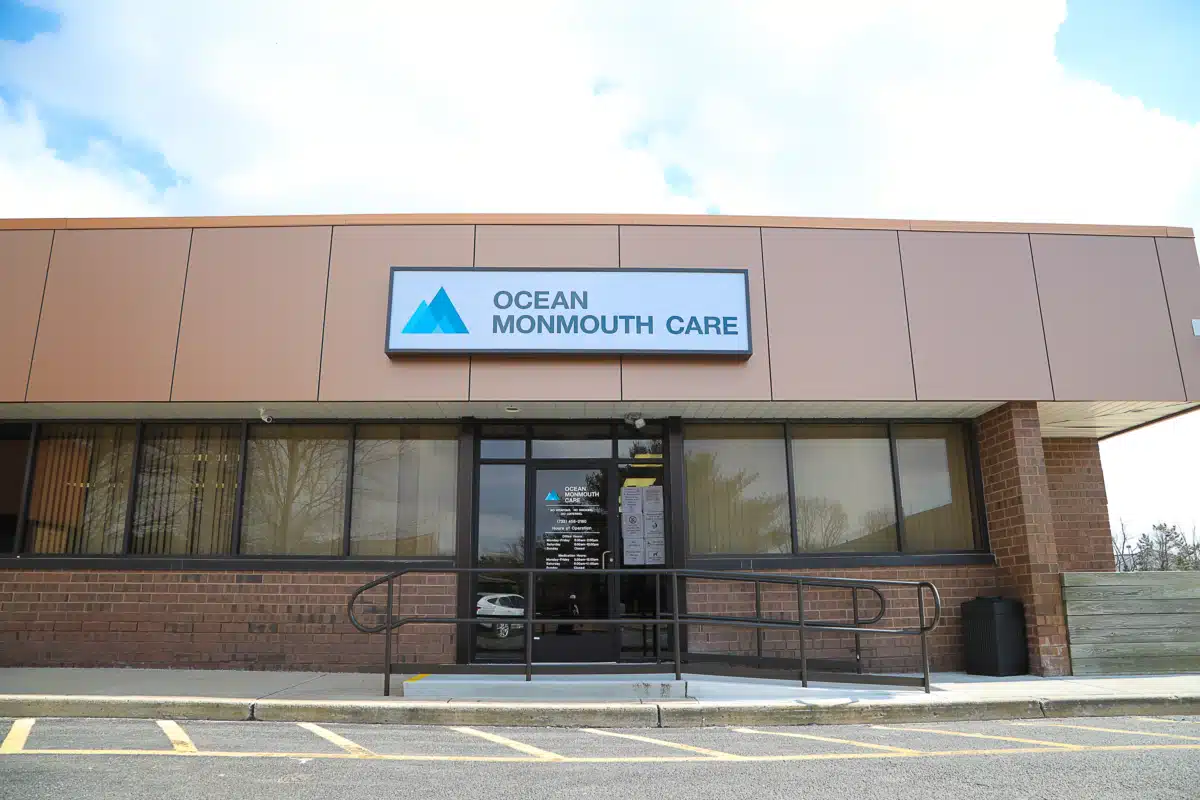
Ocean Monmouth Care LLC, located in Brick, NJ, specializes in providing tailored substance use treatment programs for both adults and young adults. Emphasizing intensive outpatient and outpatient services, this facility employs evidence-based methods like brief intervention, cognitive behavioral therapy, and contingency management to ensure effective care. Recognizing the unique needs of its clientele, the center offers customized programs specifically designed for active duty military members, as well as adult men and women. Furthermore, Ocean Monmouth Care LLC provides outpatient treatment options that include methadone, buprenorphine, or naltrexone, facilitating comprehensive care for recovery. With a strong dedication to quality and personalized treatment, this center fosters a supportive environment for all clients striving to overcome substance use disorders.
Situated in Flagstaff, Arizona, Native Americans for Community Action is dedicated to delivering comprehensive substance use treatment alongside specialized care for individuals grappling with co-occurring mental health issues. The facility offers a range of programs, including intensive outpatient, outpatient, and regular outpatient treatment, designed to support both adults and younger clients, such as children and adolescents. Utilizing strategies such as anger management, brief intervention techniques, and cognitive behavioral therapy, the center skillfully addresses the unique needs of each individual. With a particular emphasis on those facing both mental health and substance use disorders, this center provides personalized support tailored for both males and females. You can trust this facility to deliver quality care and effective treatment, guiding individuals on their journey toward recovery.
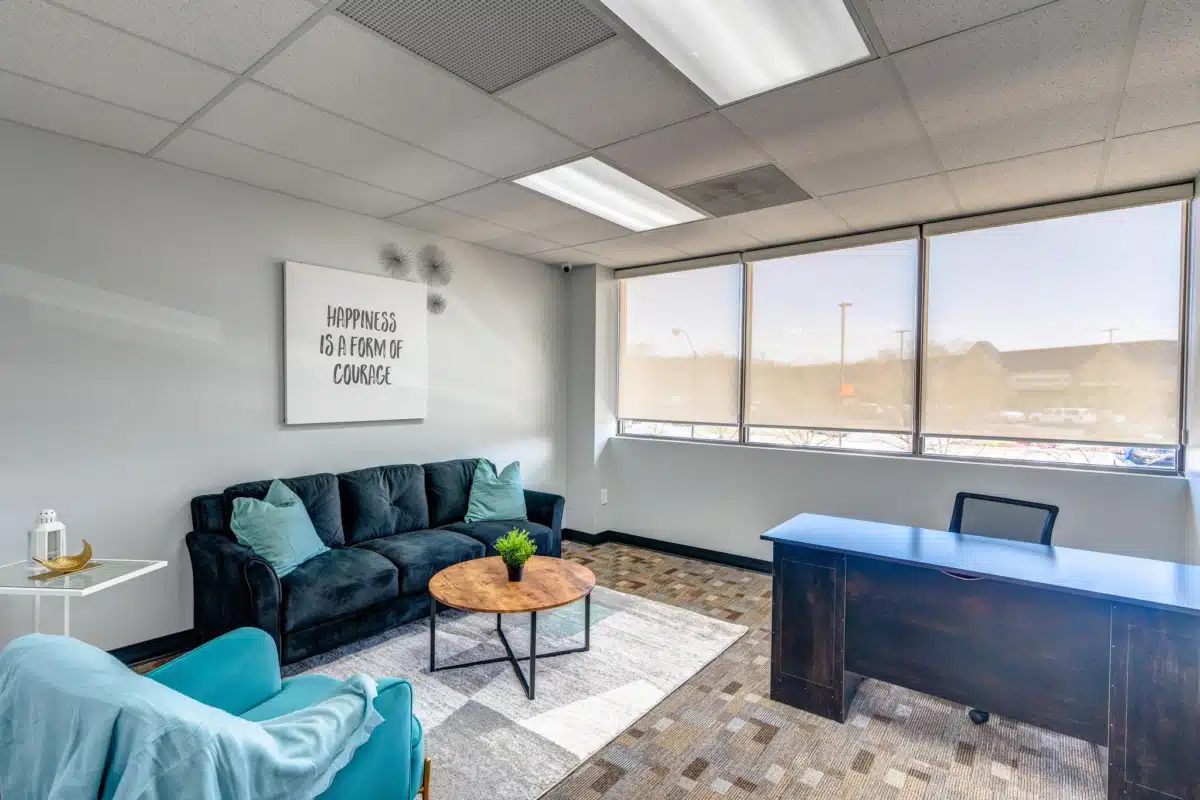
Evolve Residential LLC, located in Millersville, MD, provides a full spectrum of substance use treatment tailored for adult men. The facility offers various programs, including intensive outpatient care, long-term residential services, and traditional outpatient options, all designed with a strong emphasis on relapse prevention, substance use disorder counseling, and the innovative use of telemedicine and telehealth therapy. This center not only specializes in addressing co-occurring substance use disorders alongside serious mental health illnesses in adults but also extends its expertise to children grappling with significant emotional disturbances. Catering to adults, seniors, and young adults alike, Evolve Residential LLC adopts a male-specific approach that ensures quality care and personalized treatment plans, all aimed at fostering recovery and promoting overall wellness.

Icarus Behavioral Health, located in Rio Rancho, NM, is dedicated to offering a wide range of substance use treatment options alongside specialized care for adults grappling with serious co-occurring mental health challenges. Their programs, which include long-term, short-term, and residential options, create a nurturing environment conducive to recovery. By employing tailored strategies such as anger management, cognitive behavioral therapy, and brief interventions, the facility guarantees a personalized approach to care. Additionally, their distinctive programs designed for adult men, adult women, and clients facing co-occurring disorders address a variety of needs. Icarus Behavioral Health serves a diverse clientele of adults and young adults, regardless of gender, providing the high-quality support necessary for individuals to progress on their paths toward sobriety and improved mental wellness.
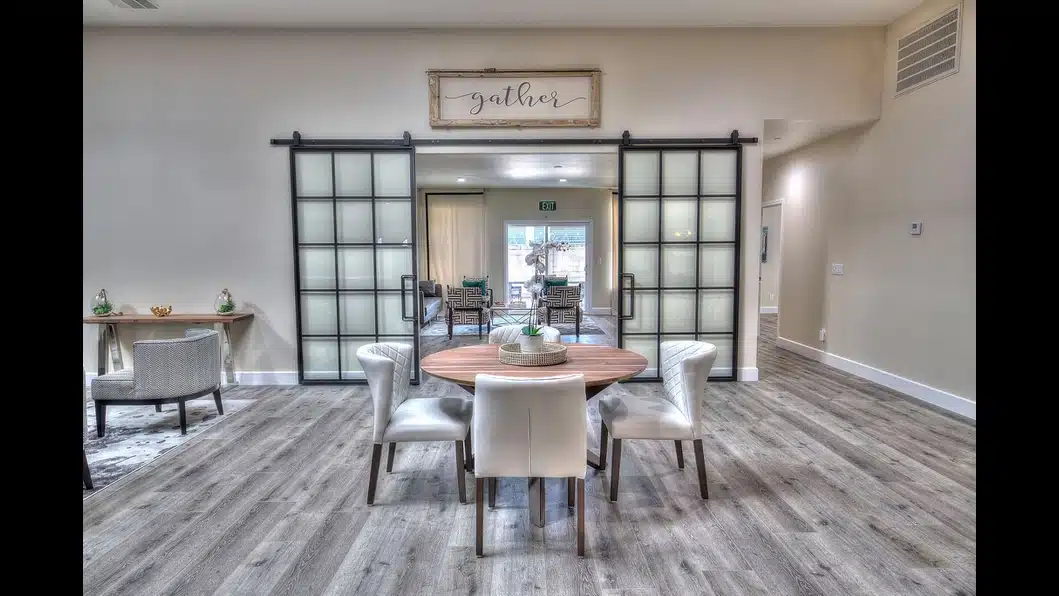
Located in Elk Grove, CA, Diamond House Detox provides a thorough and compassionate residential detoxification and substance use treatment program designed for both adults and young adults. This facility is particularly skilled in addressing co-occurring mental health disorders, ensuring that clients receive round-the-clock care in a nurturing environment. By employing methodologies such as 12-step facilitation and anger management, their program is adept at customizing treatment to meet each person’s unique needs. With a strong emphasis on quality care, Diamond House Detox distinguishes itself by offering specialized programs tailored for those with dual diagnoses. Here, both male and female clients can access personalized treatment plans crafted to effectively support their recovery journeys.
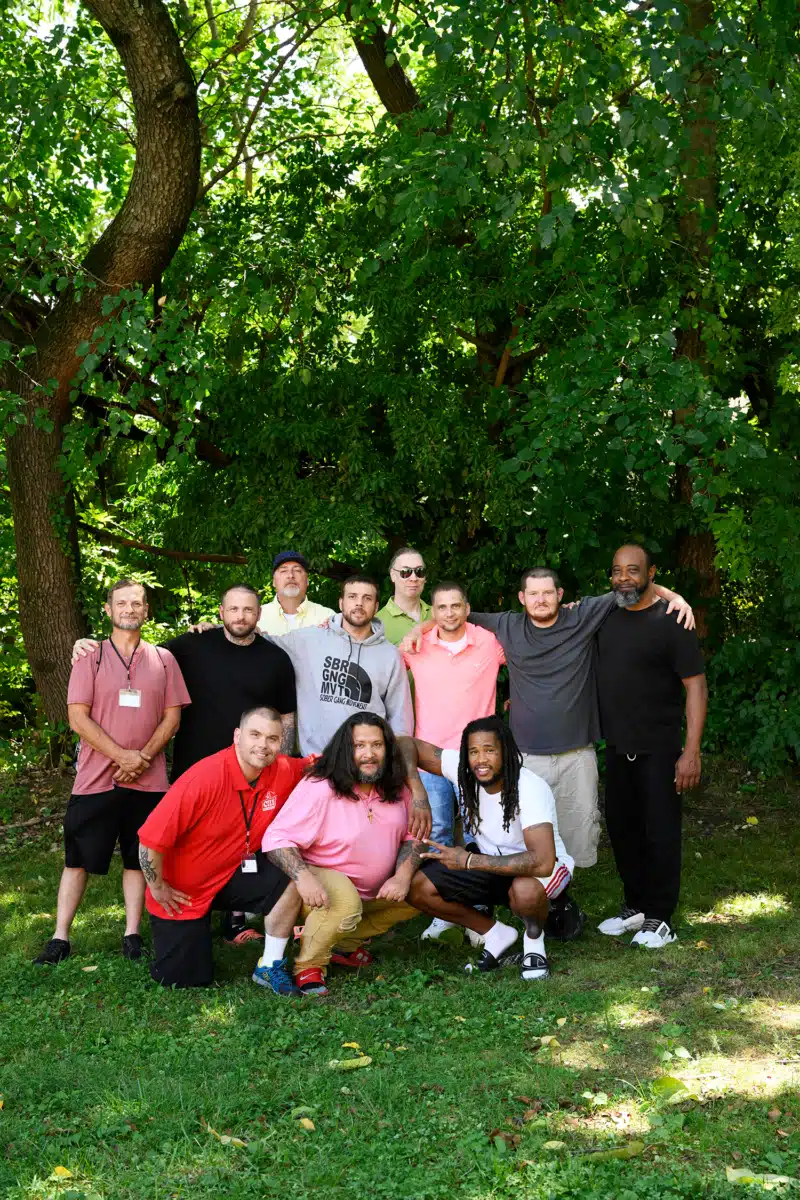
Situated in Louisville, Kentucky, VOA Recovery is dedicated to providing extensive substance use treatment specifically designed for adult men. The facility excels in addressing not only co-occurring substance use disorders but also serious mental health conditions among adults, alongside significant emotional disturbances in children. By offering both long-term and short-term residential programs, VOA Recovery employs evidence-based methodologies, including 12-step facilitation, cognitive behavioral therapy, and the Matrix Model. Additionally, their specialized programs target adult men with histories of intimate partner violence, domestic violence, and sexual abuse. Serving a diverse clientele that includes adults, seniors, and young adults, this center is committed to delivering high-quality care that meets the unique needs of its male clients.
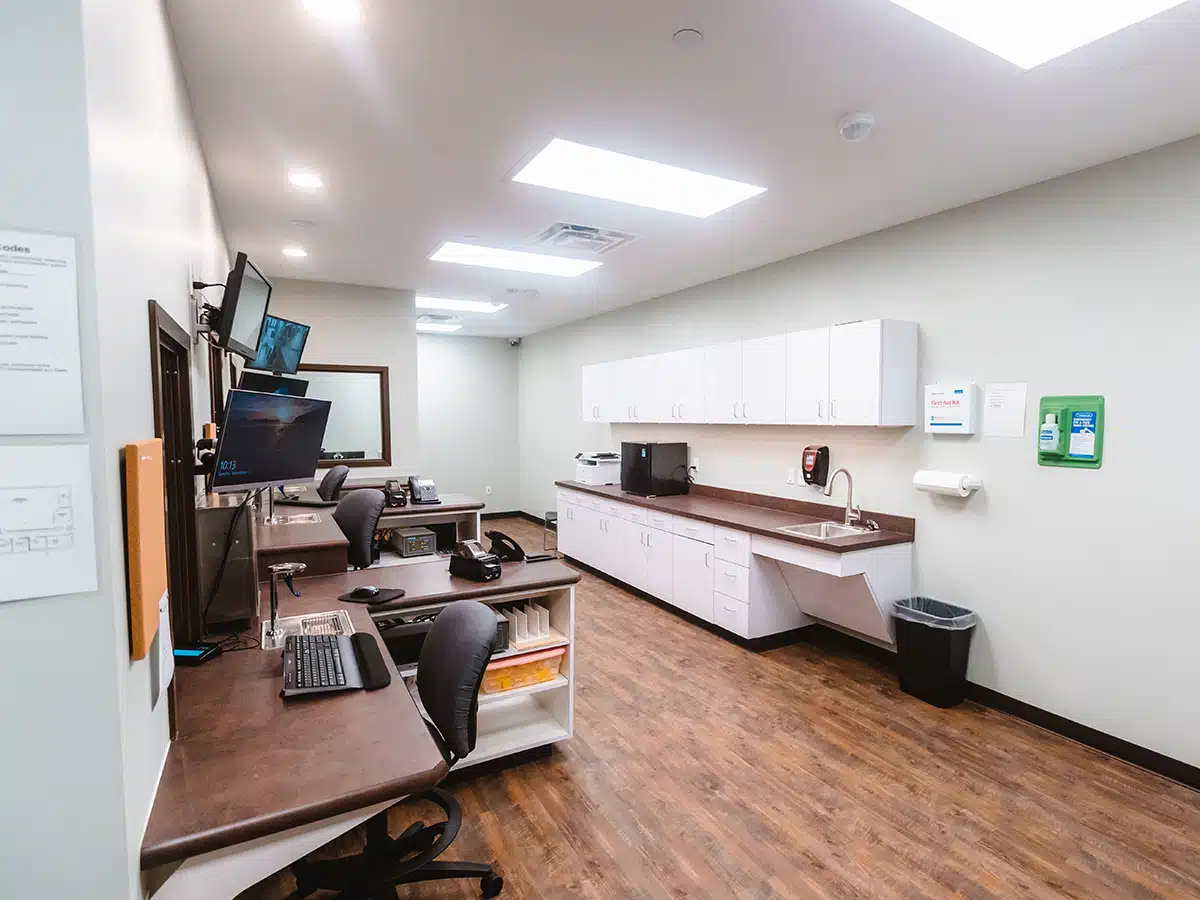
Located in Annandale, VA, the Fairfax Methadone Treatment Center provides a range of outpatient services, including methadone/buprenorphine or naltrexone treatment, as well as regular outpatient care and substance use treatment aimed at adults and young adults alike. This center stands out with its individualized approach, offering tailored services such as anger management, brief intervention, and cognitive behavioral therapy to meet the unique needs of each client. With specialized programs designed for both male and female clients, the facility guarantees comprehensive care for everyone who walks through its doors. The Fairfax Methadone Treatment Center’s unwavering commitment to delivering quality, personalized treatment makes it a leading option for those in the Annandale area seeking compassionate and effective addiction support.
About Bipolar Disorder Treatment
Santa Cruz Drug Rehab provides resources for individuals managing both bipolar disorder and addiction. Our directory features treatment centers with expertise in this complex dual diagnosis, offering integrated care for lasting stability and recovery.
Bipolar Disorder and Substance Use
Research from the National Institute of Mental Health shows that people with bipolar disorder have significantly higher rates of substance use disorders than the general population. Some estimates suggest over 50% of individuals with bipolar disorder will experience addiction at some point.
Why co-occurrence is so common:
- Substances may be used to self-medicate mood symptoms
- Manic episodes increase impulsivity and risk-taking
- Depressive episodes may lead to substance use for relief
- Shared genetic and neurobiological factors
- Substance use can trigger mood episodes
Understanding Bipolar Disorder
Bipolar disorder involves distinct mood episodes:
- Manic episodes: Elevated mood, increased energy, decreased sleep, impulsivity, racing thoughts
- Hypomanic episodes: Less severe mania, may feel productive and positive
- Depressive episodes: Sadness, hopelessness, fatigue, loss of interest
- Mixed episodes: Simultaneous manic and depressive symptoms
Treatment Challenges and Solutions
Mood Stabilization
Achieving mood stability is essential for addiction recovery. Medications like lithium, valproic acid, and certain antipsychotics form the foundation of bipolar treatment. Finding the right medication regimen requires careful monitoring.
Integrated Psychotherapy
- CBT for Bipolar: Identifies early warning signs and develops coping strategies
- Interpersonal and Social Rhythm Therapy (IPSRT): Stabilizes daily routines and sleep patterns
- DBT: Builds emotional regulation skills
- Family-Focused Therapy: Educates family members and improves communication
Addiction Treatment
Standard addiction treatments are adapted to accommodate mood fluctuations. 12-step programs and peer support provide valuable community connection. Relapse prevention planning accounts for mood-related triggers.
Finding Specialized Care
Look for dual diagnosis programs with psychiatric expertise in bipolar disorder. Residential treatment may be beneficial during acute mood episodes or severe addiction. Browse our treatment center directory to find specialized help.