Anxiety Disorders Rehab Centers
Anxiety disorders—including generalized anxiety, panic disorder, social anxiety, and phobias—affect nearly 20% of American adults and frequently co-occur with substance use disorders. Many people initially use drugs or alcohol to self-medicate anxiety symptoms, creating a destructive cycle. Treatment combines evidence-based therapies like CBT and exposure therapy with medication when appropriate, teaching healthy coping skills to replace substance use.
Found 12,199 rehab centers specializing in anxiety disorders across the United States.
Ready to Start Your Recovery Journey?
Our specialists will match you with the right center — 100% free
Showing 20 of 12199 anxiety disorders rehab centers
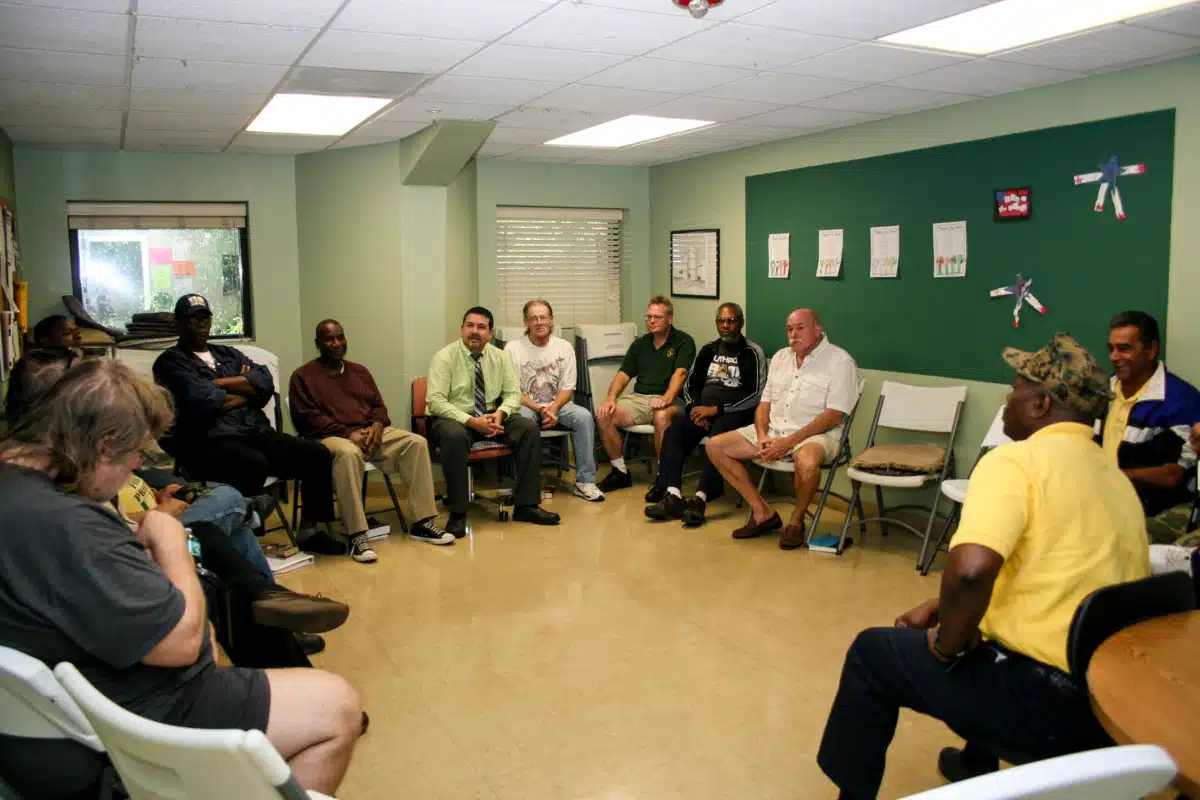
Located in Saint Cloud, FL, Transition House Inc is dedicated to providing comprehensive substance use treatment tailored for adult men, seniors, and young adults. With a particular focus on co-occurring substance use and serious mental health disorders, this facility offers a range of options, including long-term, short-term, and 24-hour residential programs. Employing customized methods such as 12-step facilitation and anger management, Transition House Inc is equipped to serve active duty military personnel as well as individuals who have faced intimate partner violence. Committed to delivering quality care, the center utilizes brief interventions and develops individualized treatment plans to meet each client's unique needs. If you're in search of effective rehabilitation that prioritizes addressing complex challenges, this facility is devoted to supporting your path to recovery.
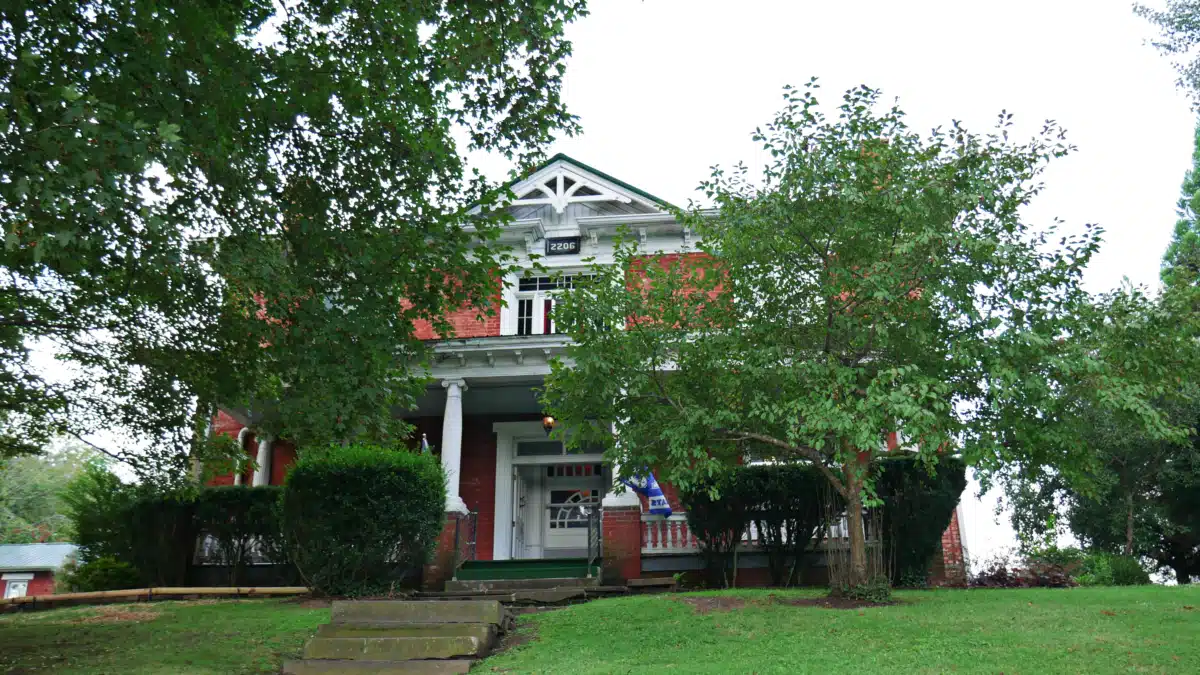
Nestled in Louisa, KY, Addiction Recovery Care (ARC) presents a holistic approach to substance use treatment specifically designed for adult women. The center offers a diverse array of treatment options, encompassing intensive outpatient, long-term residential, and standard outpatient programs. At ARC, the methodology is rooted in practices such as 12-step facilitation, anger management, and brief interventions, all tailored to meet individual needs. With a strong emphasis on personalized care, this facility is committed to delivering high-quality treatment to adults, seniors, and young adults alike. What sets ARC apart is its specialized programs and unwavering dedication to nurturing recovery within a compassionate environment. If you're on the lookout for effective addiction treatment that prioritizes a unique, individualized approach, you can trust that ARC is here to support you on the journey toward lasting recovery.
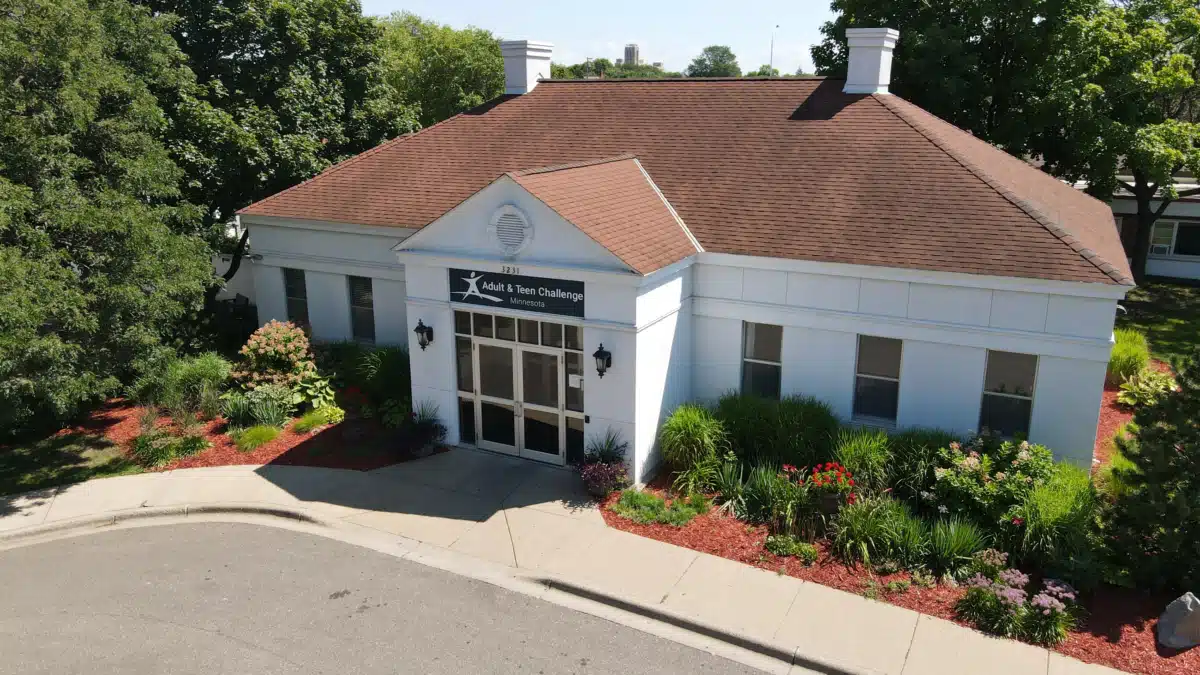
Located in Minneapolis, MN, Minnesota Adult and Teen Challenge provides a diverse array of addiction treatment services designed to meet the unique needs of each individual. This center offers detoxification, substance use treatment, and specialized support for both adults grappling with co-occurring substance use and severe mental health challenges, as well as for children facing emotional disturbances. With options like residential detoxification, round-the-clock care, and short-term residential programs, the facility is committed to customizing treatment pathways to suit personal circumstances. Employing a variety of proven approaches, including 12-step facilitation, anger management, and cognitive behavioral therapy, the center fosters a holistic recovery journey. Additionally, special programs are tailored specifically for adolescents, adult men, and adult women. By serving a wide array of age groups and genders, Minnesota Adult and Teen Challenge places a strong emphasis on providing quality care and personalized treatment planning.
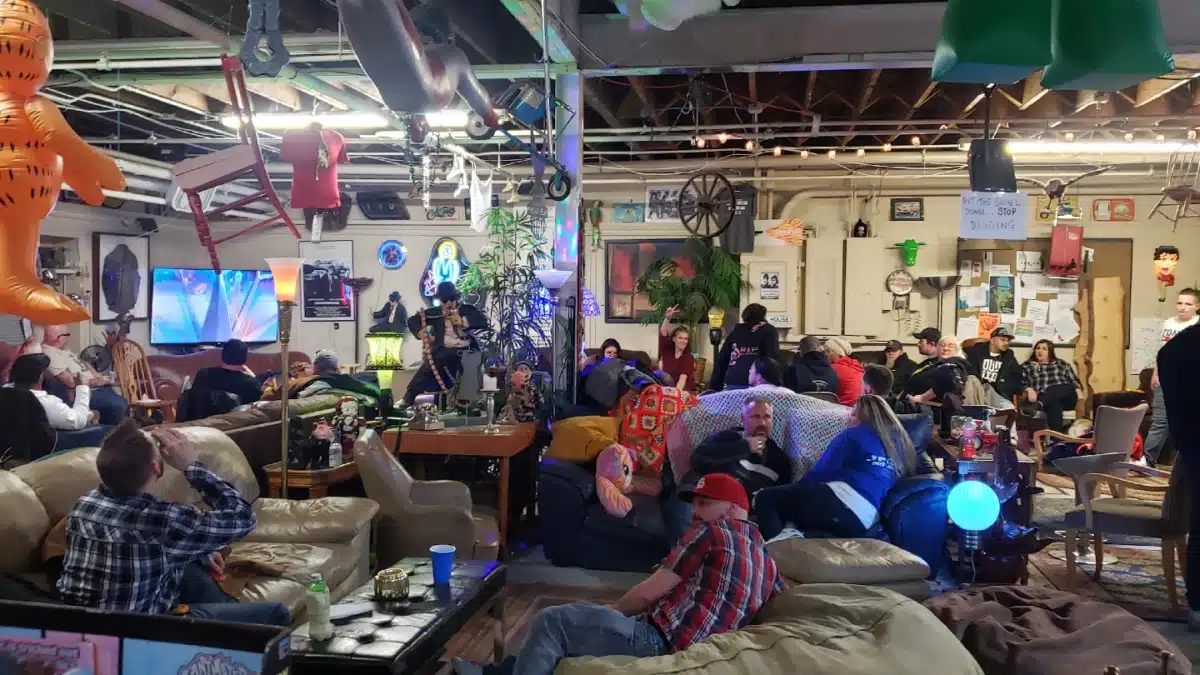
"Will Work for Recovery," situated in Minneapolis, MN, provides outpatient treatment for substance use, catering to adults and seniors alike. This center focuses on a variety of techniques, including 12-step facilitation, anger management, and brief intervention strategies. With programs specifically designed for adult men, adult women, and those who have faced trauma, the facility is dedicated to offering individualized care that addresses the unique needs of each client. Welcoming both male and female participants, it fosters a supportive atmosphere for everyone. With a strong commitment to delivering top-notch rehabilitation services, "Will Work for Recovery" distinguishes itself through its extensive treatment options and a personalized approach to each recovery journey.
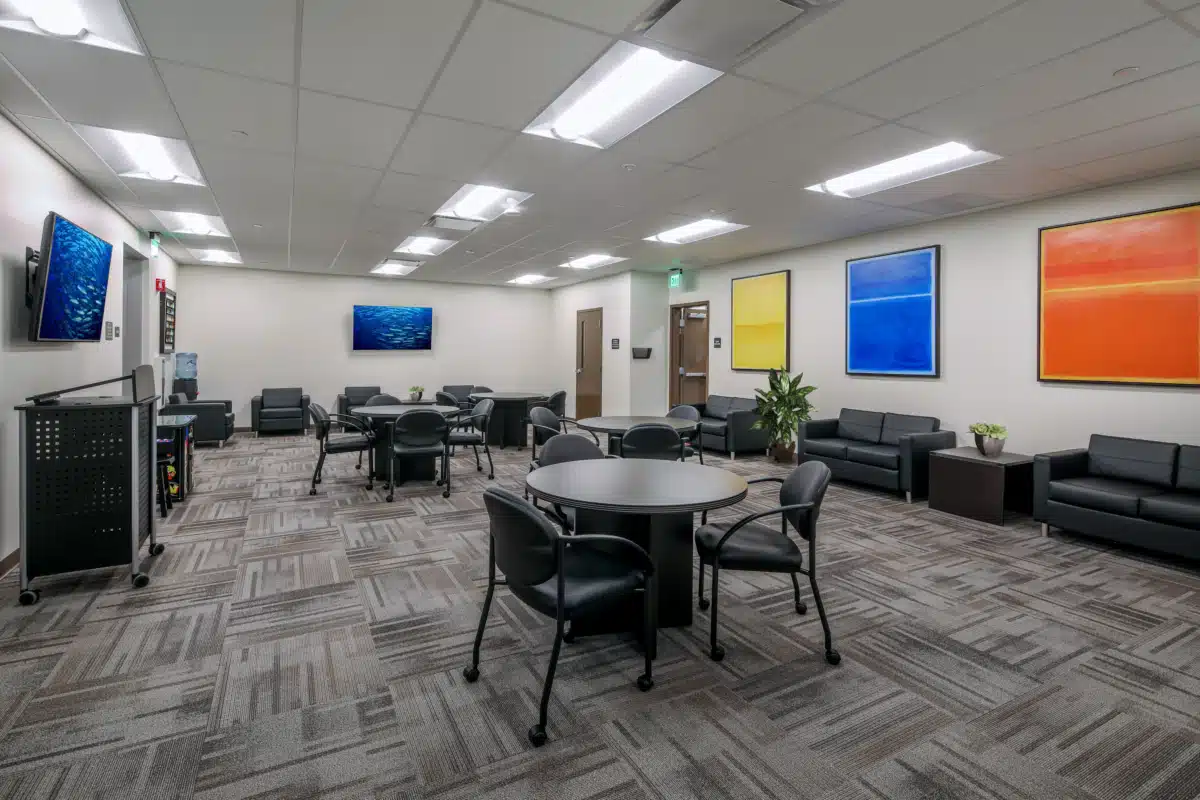
Hotel California by the Sea, located in Kirkland, WA, provides a broad spectrum of rehabilitation services tailored for both adults and young adults dealing with substance use disorders alongside co-occurring mental health challenges. The facility offers specialized programs designed for adult men and women, as well as individuals who have faced intimate partner violence. Clients can choose from various options, including long-term residential care, residential detoxification, and around-the-clock residential treatment. By employing evidence-based methodologies such as 12-step facilitation, anger management, and cognitive-behavioral therapy, the center guarantees personalized care for every individual. Committed to delivering high-quality, customized treatment, Hotel California by the Sea stands firmly behind its mission to support clients on their unique paths to recovery.
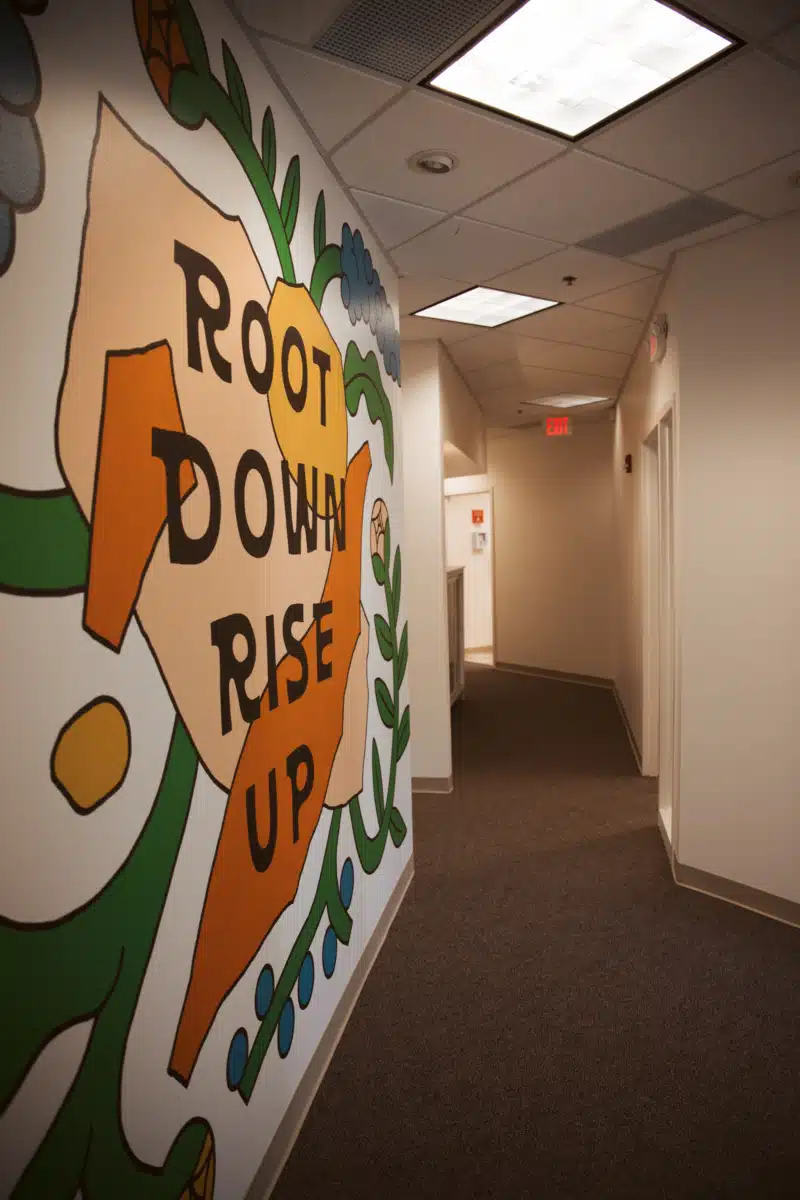
Located in Milwaukee, WI, Roots Counseling Services LLC delivers specialized substance use treatment designed for both adults and young adults. They offer a variety of treatment formats, including intensive outpatient programs, regular outpatient services, and partial hospitalization or outpatient day treatment. With an emphasis on individualized care, the center incorporates approaches such as 12-step facilitation, anger management, and brief interventions. What sets Roots Counseling Services apart is their customized programs that cater to the unique needs of male and female clients. Patients can look forward to receiving high-quality care and personalized support as they navigate their recovery journey.

Situated in Lexington, KY, New Vista is dedicated to delivering extensive substance use treatment alongside specialized support for adults grappling with co-occurring substance use disorders and serious mental health conditions, as well as children facing significant emotional disturbances. Their diverse range of services includes intensive outpatient programs, long-term residential treatment, and traditional outpatient care, all of which incorporate techniques such as 12-step facilitation, brief intervention, and cognitive behavioral therapy. The facility offers customized programs tailored specifically for adult men and women, as well as for clients who have encountered sexual abuse, accommodating individuals of all genders, including young adults. With a commitment to evidence-based methods and personalized care, New Vista provides high-quality treatment for those on their journey to recovery.
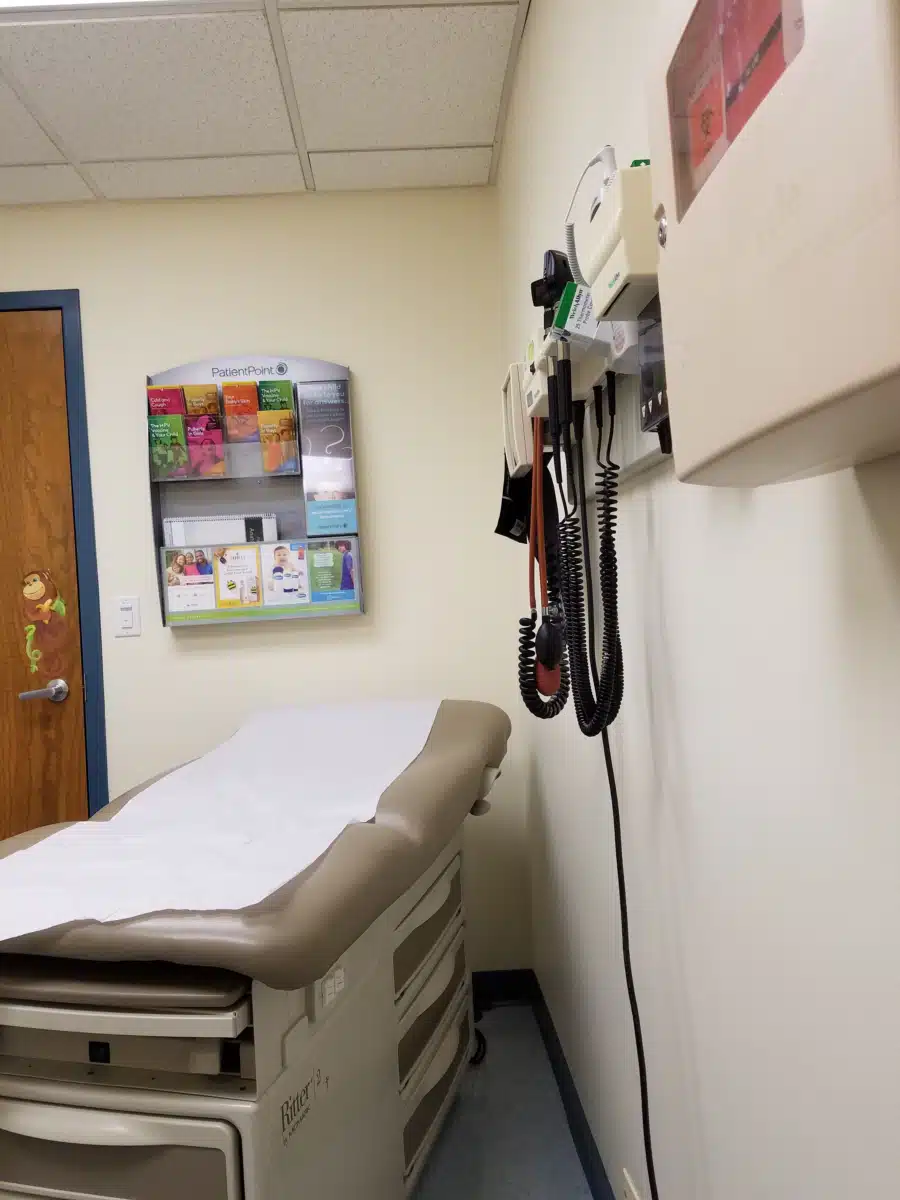
Access Genesis Center for Health, located in Des Plaines, IL, provides outpatient treatment that focuses on addressing substance use issues alongside co-occurring serious mental health challenges in adults, as well as emotional disturbances in children. The center employs a variety of therapeutic approaches, such as brief interventions, cognitive behavioral therapy, and the Matrix Model, ensuring a multifaceted strategy for recovery. With specialized programs designed for adult men and women, as well as clients living with HIV or AIDS, this facility truly accommodates a wide array of needs. Catering to both adults and young adults of all genders, Access Genesis Center is committed to delivering high-quality care within a nurturing environment. Those seeking outpatient options—whether it’s methadone, buprenorphine, naltrexone treatment, or general outpatient services—will discover comprehensive support tailored to fit their individual situations.

Medmark Treatment Centers, located in Louisville, KY, specialize in providing outpatient detoxification and substance use treatment services for both adults and young adults. This facility boasts a range of specialized treatments, including outpatient methadone, buprenorphine, and naltrexone options, along with cognitive behavioral therapy, contingency management with motivational incentives, and the Matrix Model approach. Catering to a variety of demographics, Medmark offers tailored programs specifically for active duty military personnel, adult men, and adult women. By emphasizing gender-specific care, they create a supportive environment for every individual. For those searching for high-quality addiction treatment within a welcoming outpatient setting, this facility stands out as a comprehensive resource for effective care.
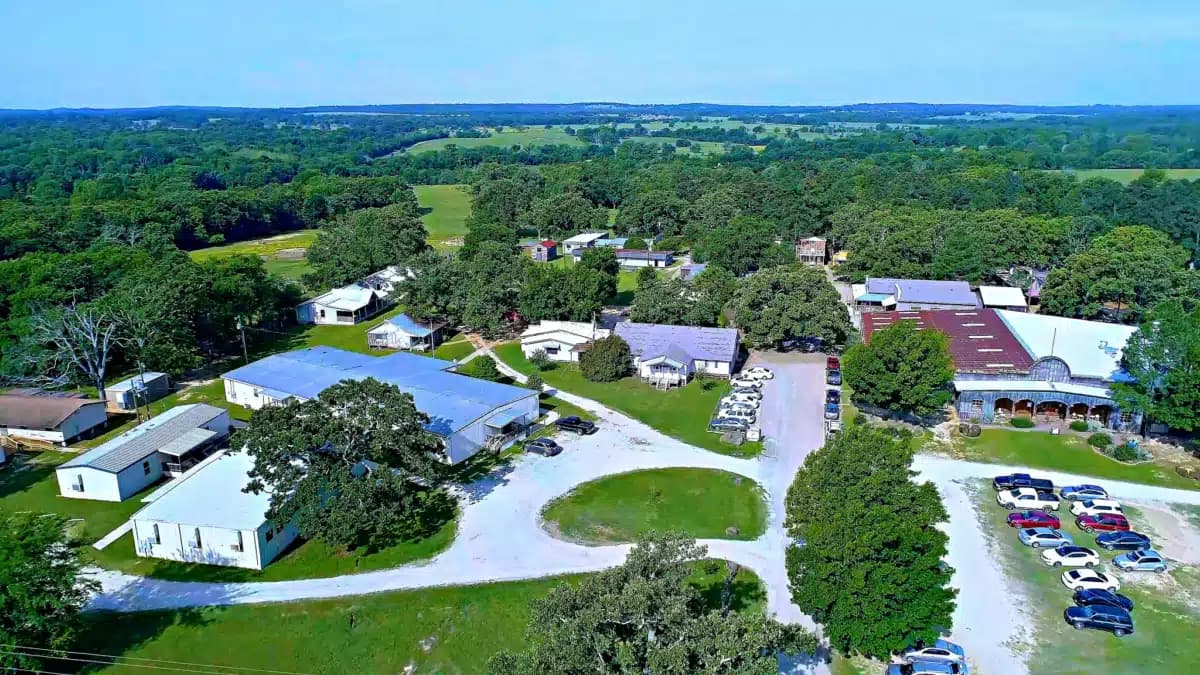
Sundown Ranch Inc, located in Canton, TX, provides a wide range of hospital inpatient detoxification and treatment programs designed specifically for adults grappling with substance use disorders and co-occurring mental health issues. With a strong emphasis on 12-step facilitation, anger management, and brief intervention strategies, this facility also extends its services to adolescents and those facing dual diagnoses. Notably, Sundown Ranch Inc features separate, tailored programs for children and teenagers, ensuring gender-specific care for both males and females. By prioritizing personalized treatment plans grounded in evidence-based practices, the center is committed to delivering high-quality support for individuals on their journey to recovery from addiction and mental health difficulties.

Community Medical Services, located in Yuma, AZ, provides a variety of outpatient substance use treatment programs that are specifically designed to meet individual needs. This facility offers options such as outpatient methadone or buprenorphine treatment, as well as naltrexone, regular outpatient care, and diverse therapeutic approaches like anger management, brief interventions, and cognitive behavioral therapy. Catering to adult men, women, and also supporting pregnant or postpartum women, the center embraces a wide array of demographics. By serving adults and young adults across all genders, Community Medical Services is committed to delivering high-quality care through personalized treatment plans rooted in evidence-based practices. If you’re looking for effective addiction treatment in Yuma, this facility is devoted to guiding you on your path to recovery.

Situated in Pueblo, Colorado, Health Solutions provides an extensive array of treatment programs designed to address substance use disorders along with co-occurring mental health challenges. The facility offers several treatment formats, including intensive outpatient, outpatient, and regular outpatient options, utilizing a variety of approaches such as anger management, brief intervention, and cognitive behavioral therapy. Health Solutions serves a broad spectrum of individuals, ranging from active duty military personnel and adolescents to adult men, women, and seniors. With specialized programs crafted for both male and female clients, this center prioritizes personalized care, ensuring that each person on their journey to recovery receives the support they need.
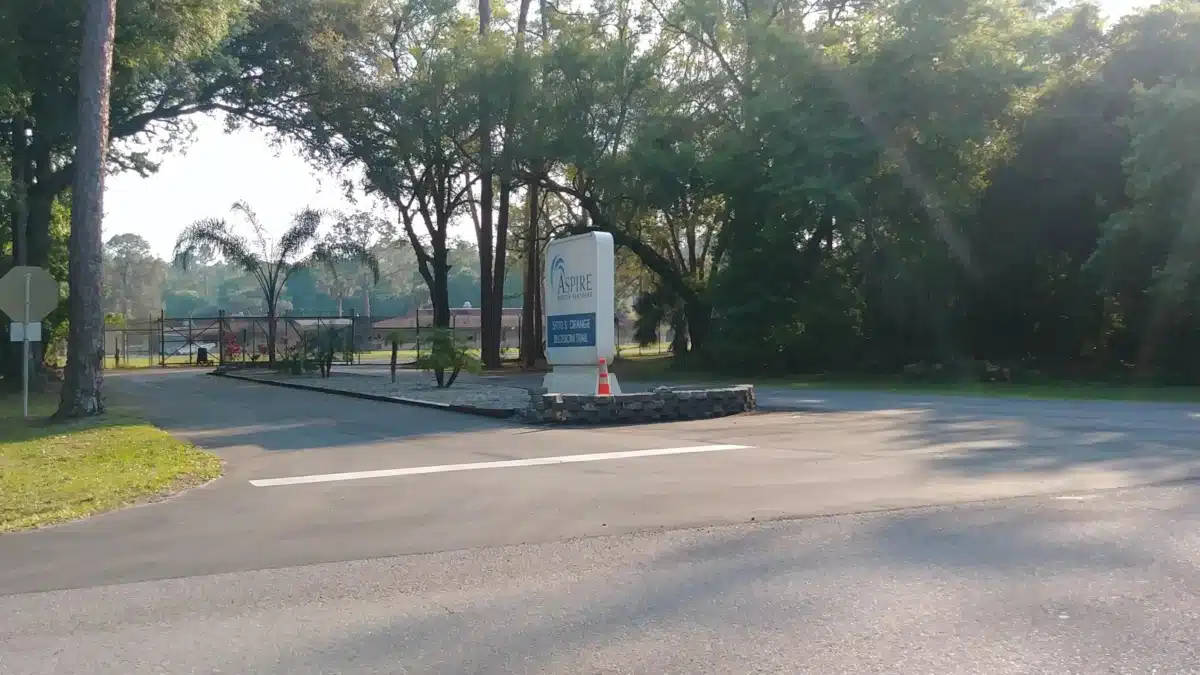
Nestled in Orlando, FL, Aspire Health Partners is dedicated to providing a wide array of addiction treatment services tailored for both adults and young adults. This center offers hospital inpatient detoxification alongside round-the-clock hospital inpatient care, employing a variety of methods including 12-step facilitation, brief intervention, and cognitive behavioral therapy. Notably, Aspire Health Partners has a strong focus on supporting pregnant and postpartum women while serving both female and male clients. With a commitment to quality care and the creation of personalized treatment plans, this facility stands as an invaluable resource for anyone seeking effective substance use treatment within a nurturing environment.
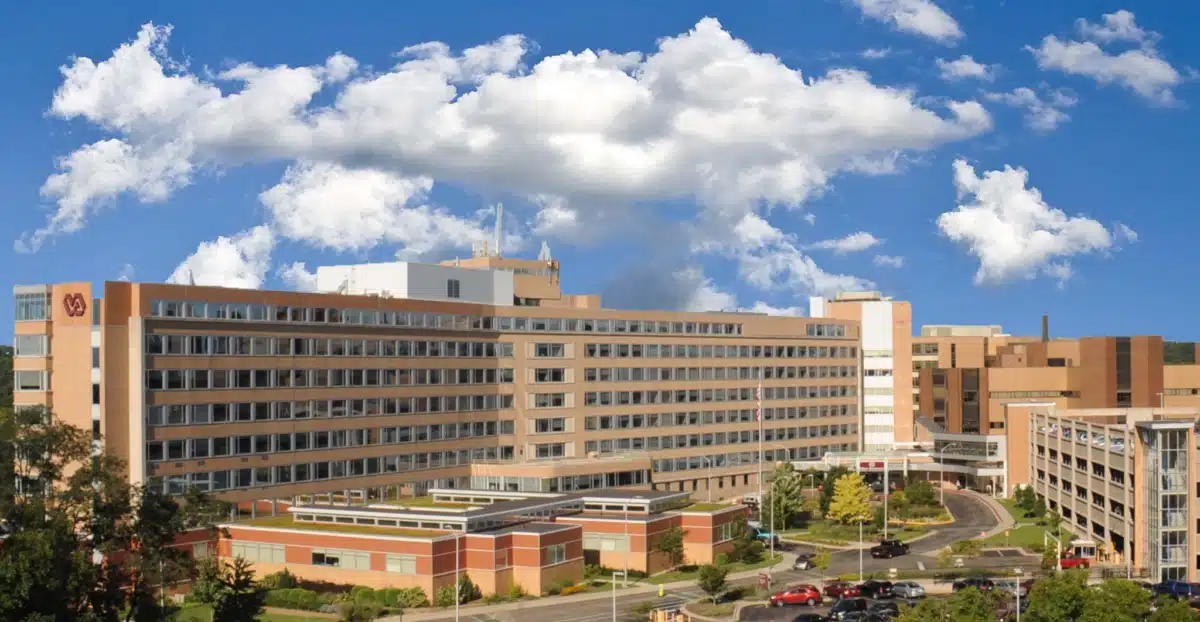
Nestled in Madison, WI, the William S. Middleton Veterans Hospital offers an extensive array of treatment options for individuals striving to overcome substance use disorders. This center goes beyond traditional care by providing not only hospital inpatient detoxification and treatment services but also transitional housing and sober living support. With a strong emphasis on 12-step facilitation, anger management, and brief interventions, the facility serves adult men and women, as well as young adults. It features specialized programs tailored for clients who have faced trauma and those grappling with co-occurring mental health conditions. Moreover, the center adopts a gender-specific treatment approach, ensuring that each individual receives personalized care and support. This dedication reflects a deep commitment to delivering high-quality and effective rehabilitation services.
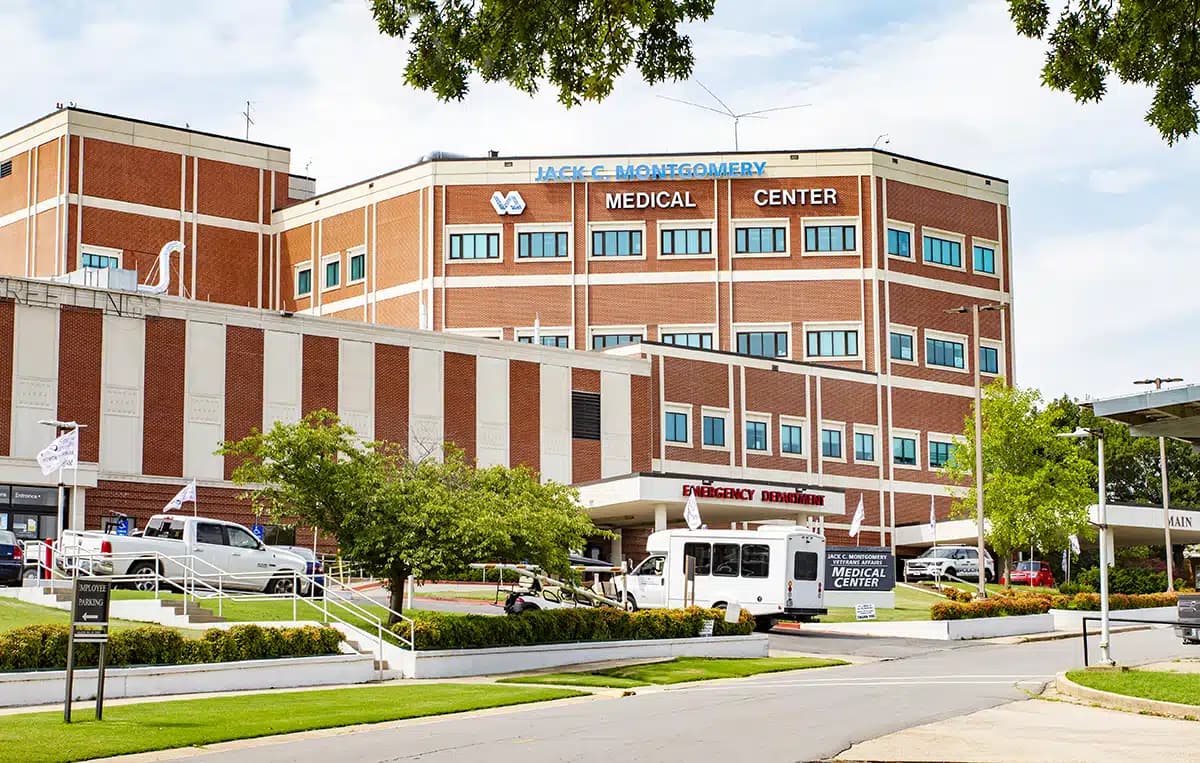
Located in Muskogee, OK, the Eastern Oklahoma VA Healthcare System delivers extensive addiction treatment services designed for both adults and young adults. This facility offers a range of options including hospital inpatient detoxification, substance use treatment, and tailored programs for those who have faced trauma, intimate partner violence, domestic violence, or sexual abuse. Their treatment methods encompass 12-step facilitation, anger management, and brief intervention, ensuring a diverse approach to recovery. With an emphasis on providing quality care specifically catered to each individual’s needs, the center is dedicated to supporting both male and female clients on their journey toward overcoming substance use disorders.
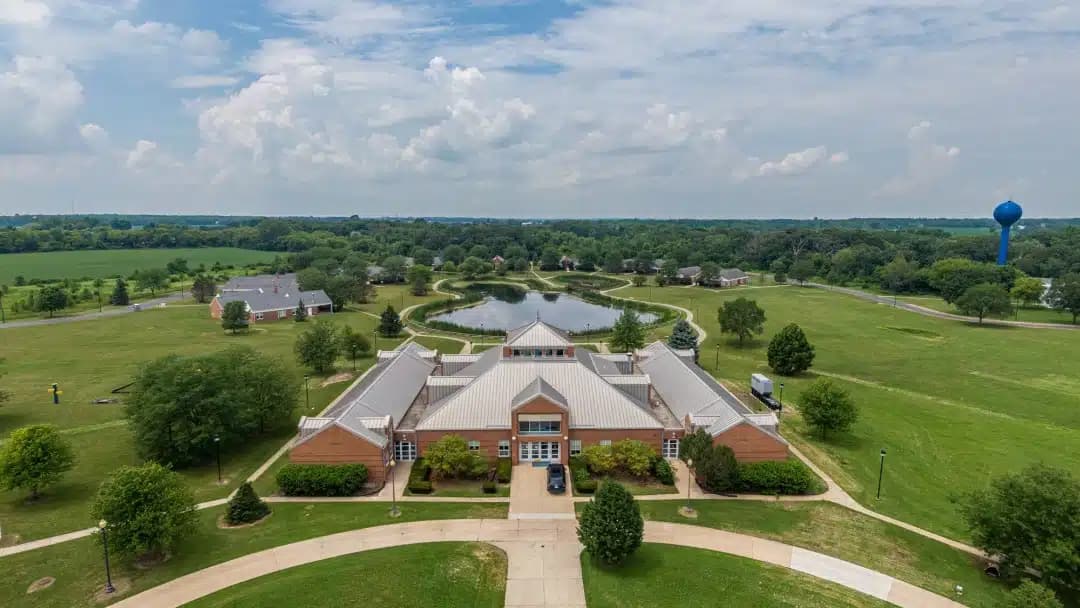
Nestled in Monroeville, PA, Recovery Centers of America provides a wide range of addiction treatment services designed for both adults and young adults. This facility specializes in hospital inpatient detoxification and various treatment programs, ensuring that 24-hour care is always accessible. Emphasizing methods like 12-step facilitation, cognitive behavioral therapy, and motivational incentives, the center customizes its treatment plans to meet the unique needs of each individual. Moreover, it features specialized programs tailored for adult men and women, as well as those who have encountered trauma. By offering focused care for both male and female patients, Recovery Centers of America is dedicated to delivering high-quality, personalized support to assist individuals on their path to recovery from substance use disorders.
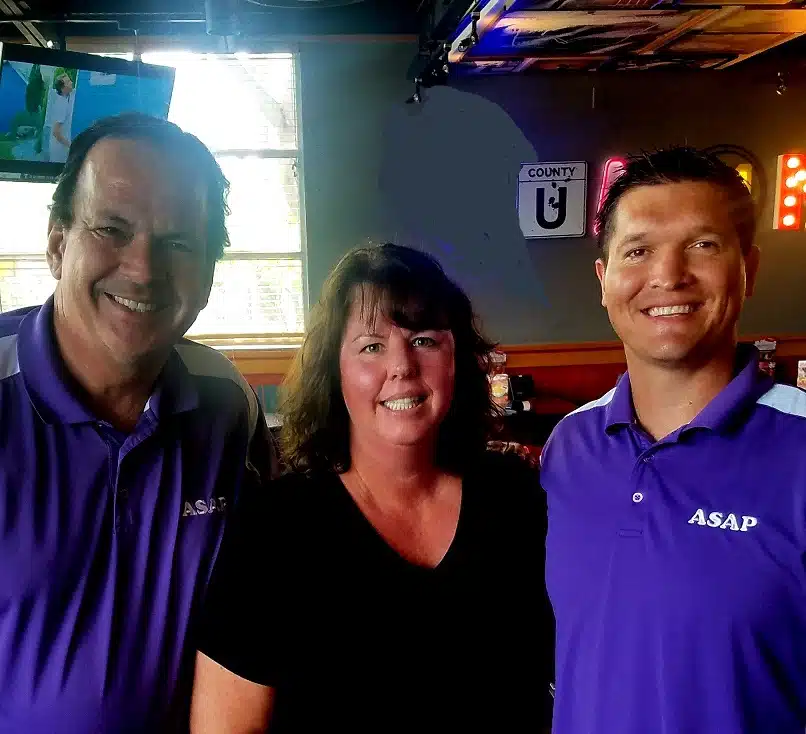
Nestled in Mesa, AZ, the Adolescent Substance Abuse Program specializes in providing tailored substance use treatment for adolescents within an outpatient framework. Drawing on evidence-based techniques, including cognitive behavioral therapy, motivational interviewing, and relapse prevention strategies, this facility emphasizes individualized care that meets the distinct needs of its young female clientele. The center proudly serves a diverse population, including adults, children, seniors, and young adults, through its intensive outpatient program, which ensures that every individual receives comprehensive support as they work to overcome the complexities of substance abuse. With a steadfast commitment to delivering high-quality care and specialized programs for adolescents, this center truly shines as a vital resource for both individuals and families on their journey toward recovery.
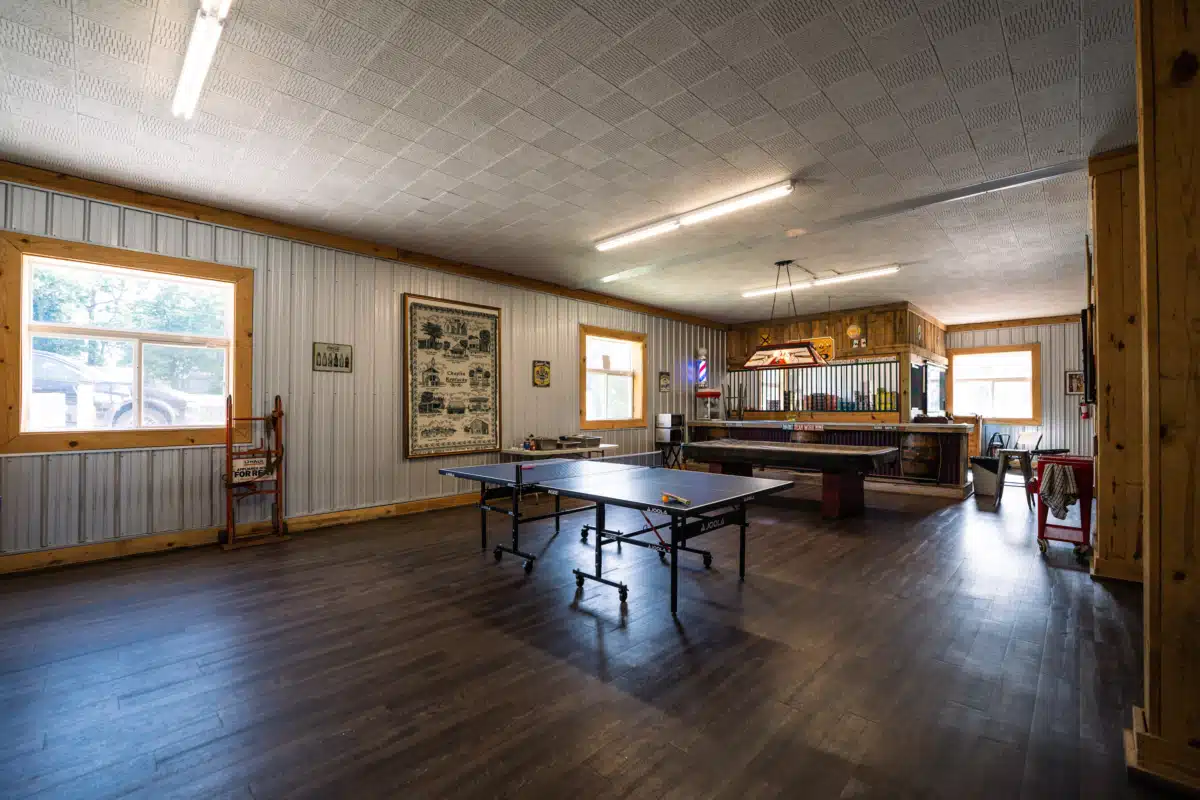
Nestled in Danville, KY, Isaiah House is dedicated to offering a wide array of addiction treatment services. This facility specializes in detoxification and substance use treatment, presenting a variety of options including intensive outpatient, outpatient, and medication-assisted treatments like methadone, buprenorphine, or naltrexone. With its emphasis on 12-step facilitation, brief intervention, and cognitive behavioral therapy, Isaiah House effectively serves active duty military personnel, as well as adult men and women. Catering to both adults and young adults of all genders, this center prioritizes personalized care for each individual. Committed to excellence in rehabilitation, Isaiah House distinctly stands out for its high-quality programs and unwavering dedication to helping individuals reclaim their lives from addiction.
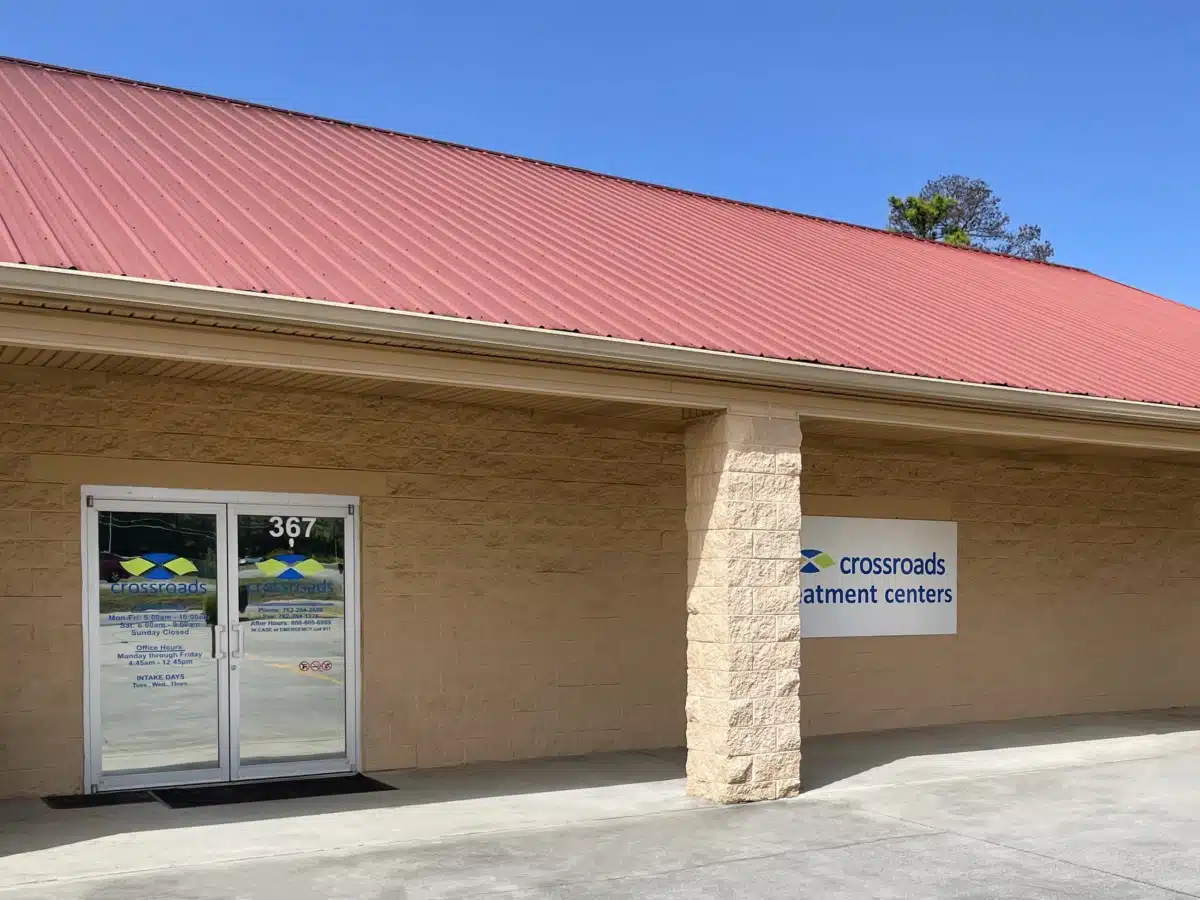
Located in Ringgold, GA, Crossroads Treatment Center specializes in outpatient substance use treatment tailored for both adults and young adults. The center offers a range of services, including outpatient methadone or buprenorphine therapy, as well as naltrexone treatment and regular outpatient programs. Additionally, they provide telemedicine and telehealth therapy designed for relapse prevention and substance use disorder counseling. With a particular emphasis on supporting pregnant or postpartum women, Crossroads Treatment Center welcomes both female and male clients. Their specialized programs and holistic approaches guarantee high-quality care for anyone seeking effective addiction treatment within a nurturing and supportive environment.
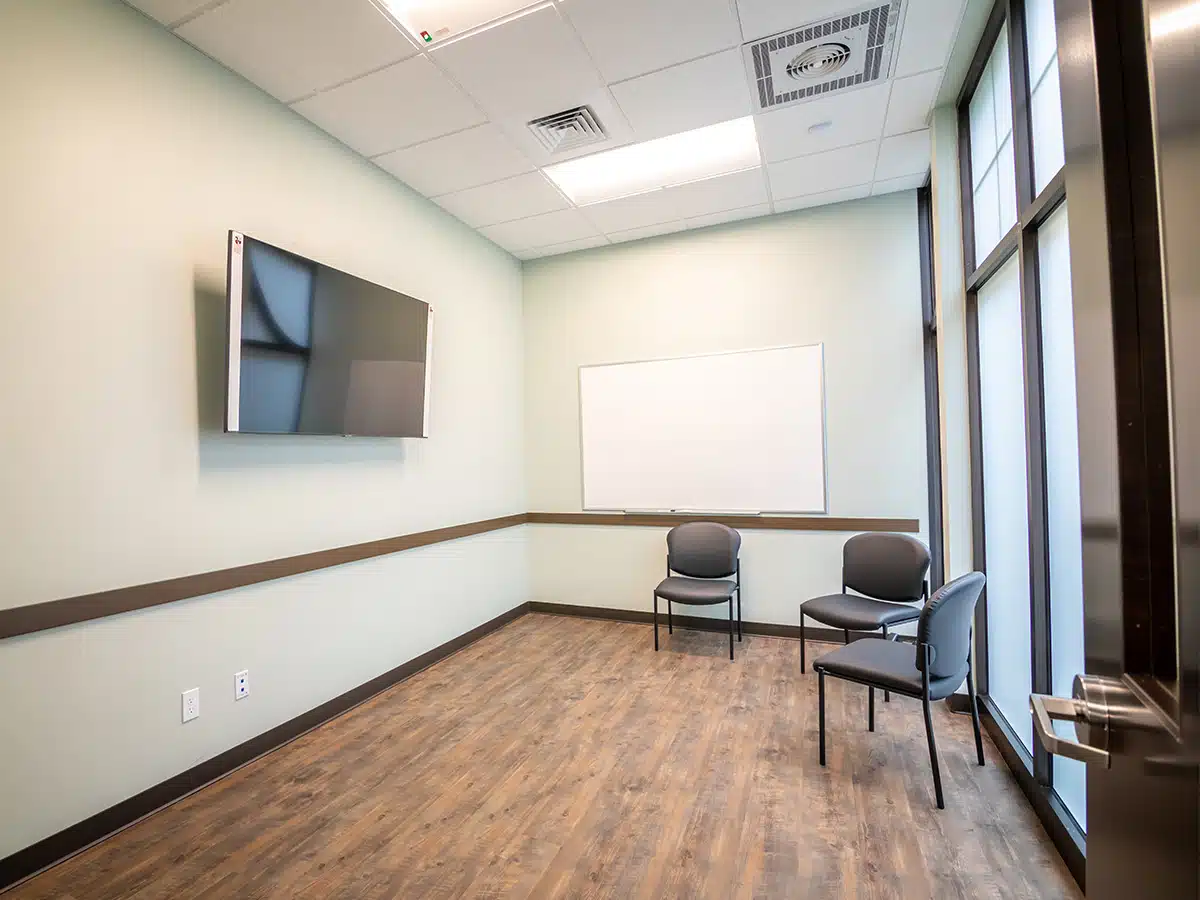
Nestled in Vancouver, WA, the Vancouver Comprehensive Treatment Center delivers tailored outpatient substance use treatment programs for both adults and young adults. With a specialization in outpatient methadone, buprenorphine, or naltrexone treatments, the center employs a range of therapeutic techniques, including cognitive behavioral therapy, motivational interviewing, and relapse prevention strategies. Focusing particularly on adult women, this facility is committed to providing personalized care for all its clients, regardless of gender. By utilizing evidence-based methods and offering specialized programs, the center assures high-quality addiction treatment, meeting the needs of individuals in search of comprehensive and effective rehabilitation services.
About Anxiety Disorders Treatment
Santa Cruz Drug Rehab understands that anxiety and addiction create a challenging cycle. Our directory features treatment centers specializing in breaking this cycle through integrated, evidence-based care.
Understanding Anxiety and Addiction
The Anxiety and Depression Association of America reports that about 20% of people with an anxiety disorder also have a substance use disorder. The connection often begins with self-medication—using alcohol or drugs to calm anxiety symptoms—which eventually leads to dependency.
Types of anxiety disorders commonly seen with addiction:
- Generalized Anxiety Disorder (GAD): Persistent, excessive worry about everyday things
- Panic Disorder: Recurring, unexpected panic attacks
- Social Anxiety Disorder: Intense fear of social situations
- Phobias: Irrational fears of specific objects or situations
- Obsessive-Compulsive Disorder (OCD): Intrusive thoughts and compulsive behaviors
The Self-Medication Trap
Alcohol and benzodiazepines provide temporary anxiety relief but worsen the condition over time. As tolerance develops, more substance is needed for the same effect. Withdrawal then causes rebound anxiety worse than the original symptoms, perpetuating the cycle.
Evidence-Based Treatment
Cognitive Behavioral Therapy (CBT)
CBT is highly effective for anxiety disorders. It helps identify anxious thought patterns, challenge irrational beliefs, and develop healthy coping strategies to replace substance use.
Exposure Therapy
Gradual, controlled exposure to feared situations helps reduce anxiety response over time. This is particularly effective for phobias, social anxiety, and panic disorder.
Relaxation Training
- Deep breathing exercises
- Progressive muscle relaxation
- Mindfulness meditation
- Guided imagery
Medication Options
Non-addictive medications like SSRIs, SNRIs, and buspirone can effectively treat anxiety without addiction risk. These are often preferred over benzodiazepines for individuals with substance use histories.
Building Long-Term Coping Skills
Effective anxiety management in recovery includes:
- Regular exercise and physical activity
- Limiting caffeine and other stimulants
- Maintaining consistent sleep schedules
- Building a strong support network
- Practicing stress management techniques daily
Find dual diagnosis treatment centers in our comprehensive directory.