Stimulant Addiction Rehab Centers
Stimulant addiction—including cocaine, methamphetamine, and amphetamines—requires specialized treatment approaches due to the intense psychological dependence these substances create. While no FDA-approved medications currently exist for stimulant use disorder, evidence-based behavioral therapies such as contingency management and cognitive-behavioral therapy have proven highly effective. Treatment programs focus on rebuilding neural pathways, managing cravings, and developing healthy coping mechanisms for long-term recovery.
Found 12,199 rehab centers specializing in stimulant addiction across the United States.
Ready to Start Your Recovery Journey?
Our specialists will match you with the right center — 100% free
Showing 20 of 12199 stimulant addiction rehab centers
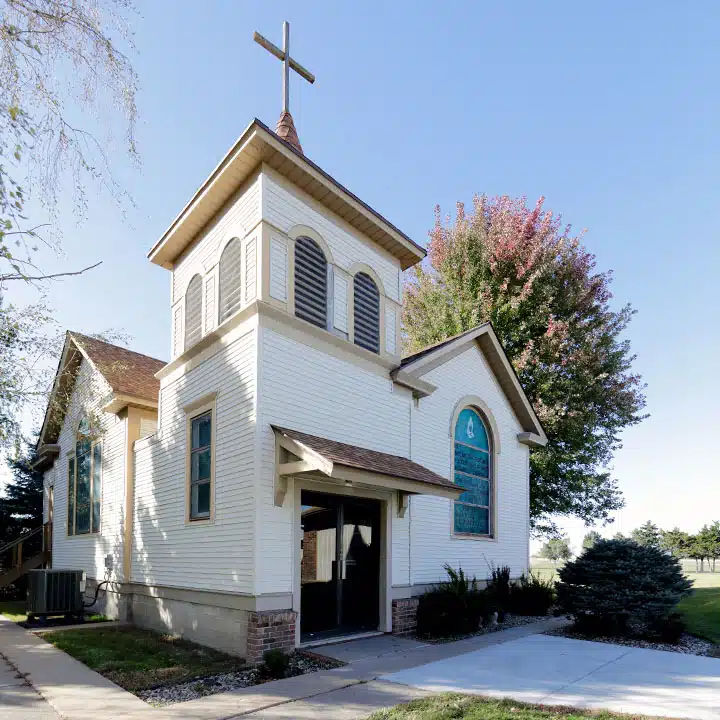
Nestled in O'Neill, NE, Valley Hope of O’Neill stands as a beacon of hope, offering a wide array of addiction treatment services tailored for adults and young adults on their path to recovery. This facility specializes in long-term residential care, residential detoxification, and round-the-clock residential programs, employing a mix of effective strategies such as 12-step facilitation, brief intervention, and cognitive behavioral therapy. It also features specialized programs designed for adult men, adult women, and individuals who have faced trauma. With a strong emphasis on personalized care, this center embraces both male and female clients, fostering a supportive and inclusive atmosphere for everyone striving to conquer substance use disorders.
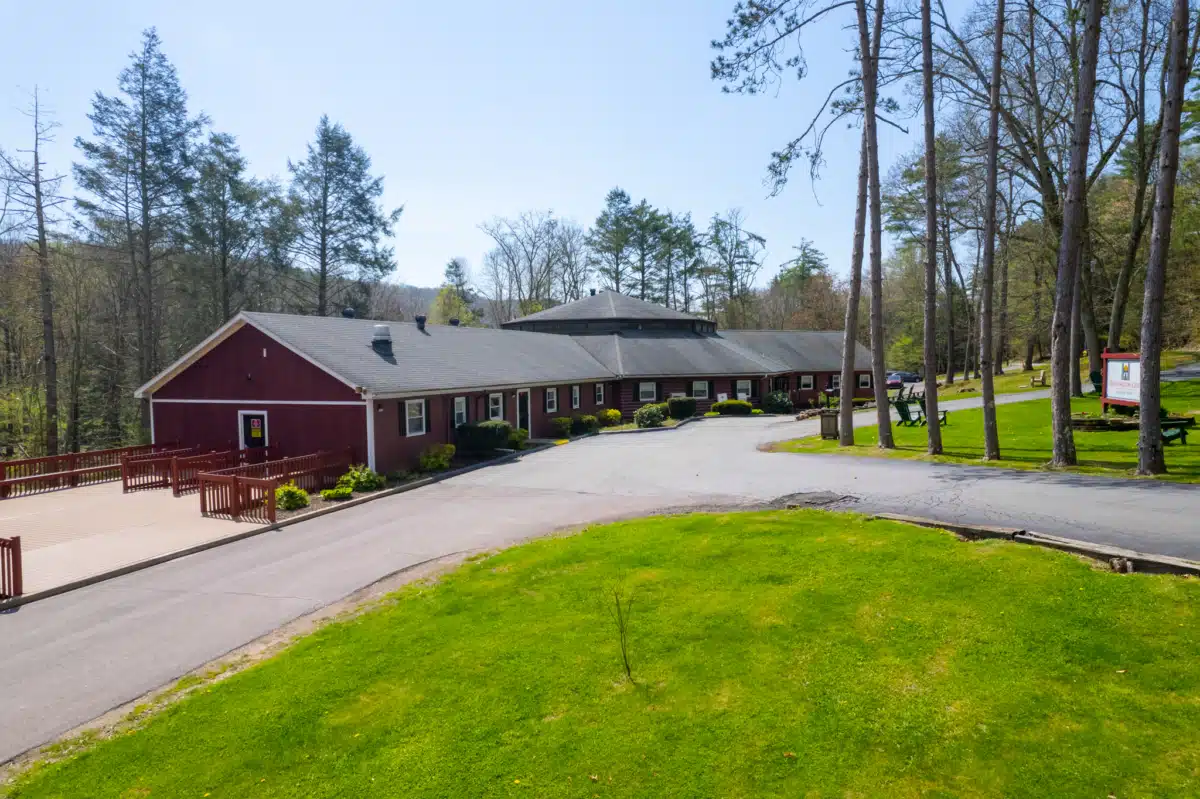
Situated in Shickshinny, PA, Huntington Creek Recovery Center is dedicated to delivering comprehensive services for addiction treatment. With a focus on detoxification and substance use recovery, the facility offers a range of options, including residential detox, 24-hour care, and short-term residential programs. Utilizing a blend of strategies such as 12-step facilitation, anger management, and cognitive behavioral therapy, the center is equipped to support adults, adolescents, and active duty military personnel alike. Each program is designed to cater specifically to adult men, women, and adolescents, ensuring that every individual receives personalized care tailored to their unique needs. Renowned for its commitment to quality and a variety of specialized programs, Huntington Creek Recovery Center has earned its reputation as a leading choice for those in pursuit of effective and individualized addiction treatment.

Nestled in the picturesque Del Mar, CA, Casa Palmera provides an extensive array of treatment programs designed for those seeking detoxification and support for substance use challenges. This welcoming facility features options such as residential detoxification, round-the-clock residential care, and short-term stays, all aimed at fostering a nurturing environment where recovery can thrive. To meet the unique needs of its clients, Casa Palmera employs a variety of methods, including 12-step facilitation, anger management, and brief interventions. Additionally, specialized programs cater to active duty military personnel, individuals with co-occurring disorders, and members of the LGBTQ community. Committed to serving adults and young adults of every gender, Casa Palmera stands firm in its mission to deliver high-quality care and unwavering support on the journey to recovery.
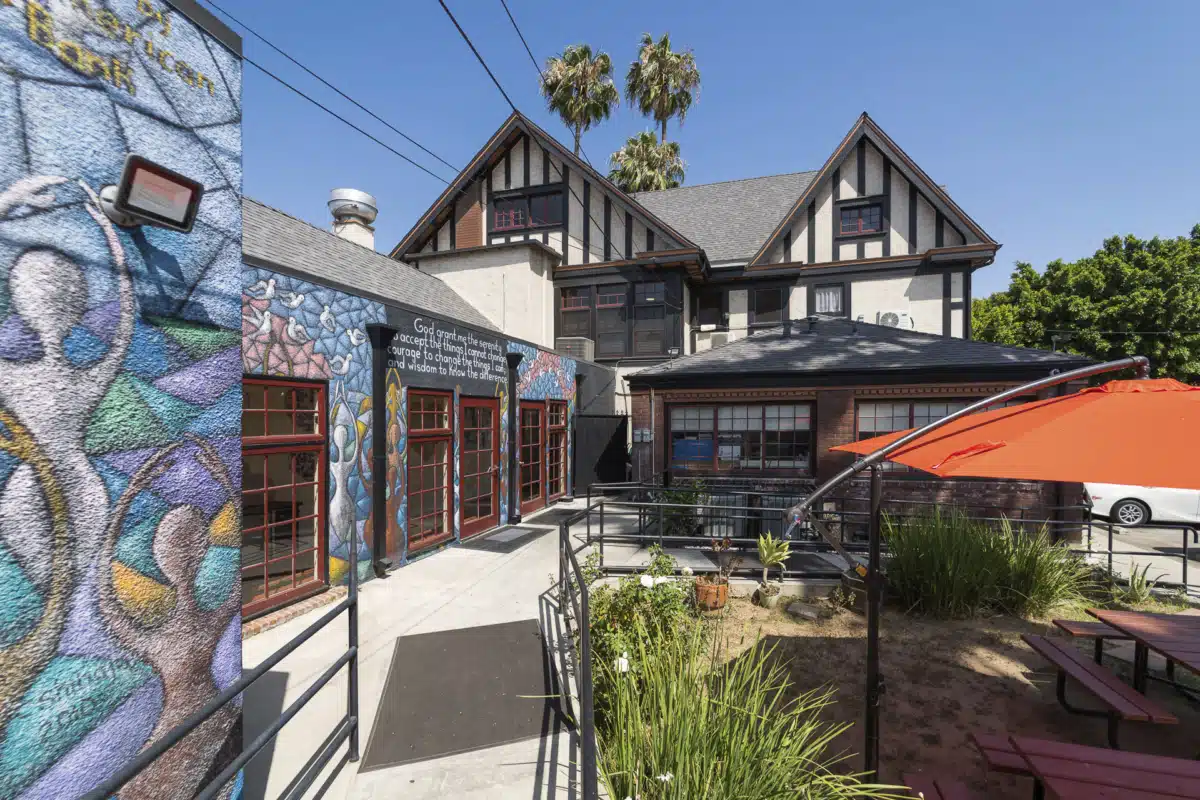
In Los Angeles, CA, the Alcoholism Center for Women is dedicated to offering specialized substance use treatment specifically designed for adult women grappling with serious co-occurring mental health challenges. This facility boasts a variety of residential treatment options, encompassing long-term, 24-hour, and short-term formats to meet diverse needs. With its strong emphasis on 12-step facilitation, anger management, and brief intervention strategies, the center is particularly well-equipped to support clients who have faced intimate partner violence, domestic violence, and sexual abuse. Welcoming adults, seniors, and young adults alike, it provides a safe, nurturing, and female-only environment, ensuring that each client receives high-quality care and personalized programs aimed at fostering healing and recovery.
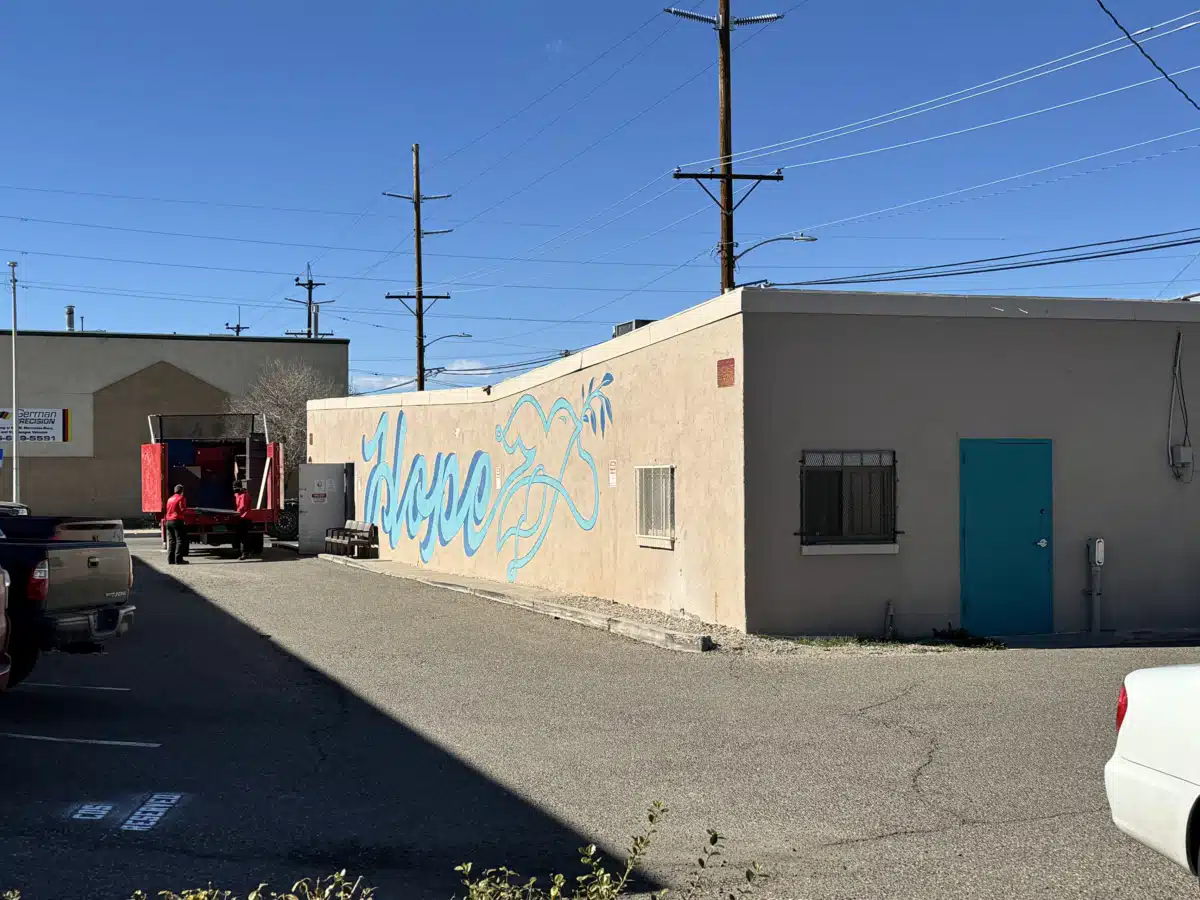
Nestled in Albuquerque, NM, HopeWorks delivers a wide-ranging approach to substance use treatment, specifically designed for both adults and young adults grappling with serious mental health challenges or emotional issues. The facility offers a variety of options, including long-term residential stays, outpatient services, and programs featuring methadone, buprenorphine, or naltrexone, all aimed at providing personalized support for those on their path to recovery. Drawing on techniques such as 12-step facilitation, anger management, and brief intervention strategies, HopeWorks addresses the unique needs of adult men and women, as well as individuals who have faced trauma. By implementing specialized programs tailored for various age groups and genders, this center emphasizes the importance of individualized and quality care for everyone seeking treatment for addiction.
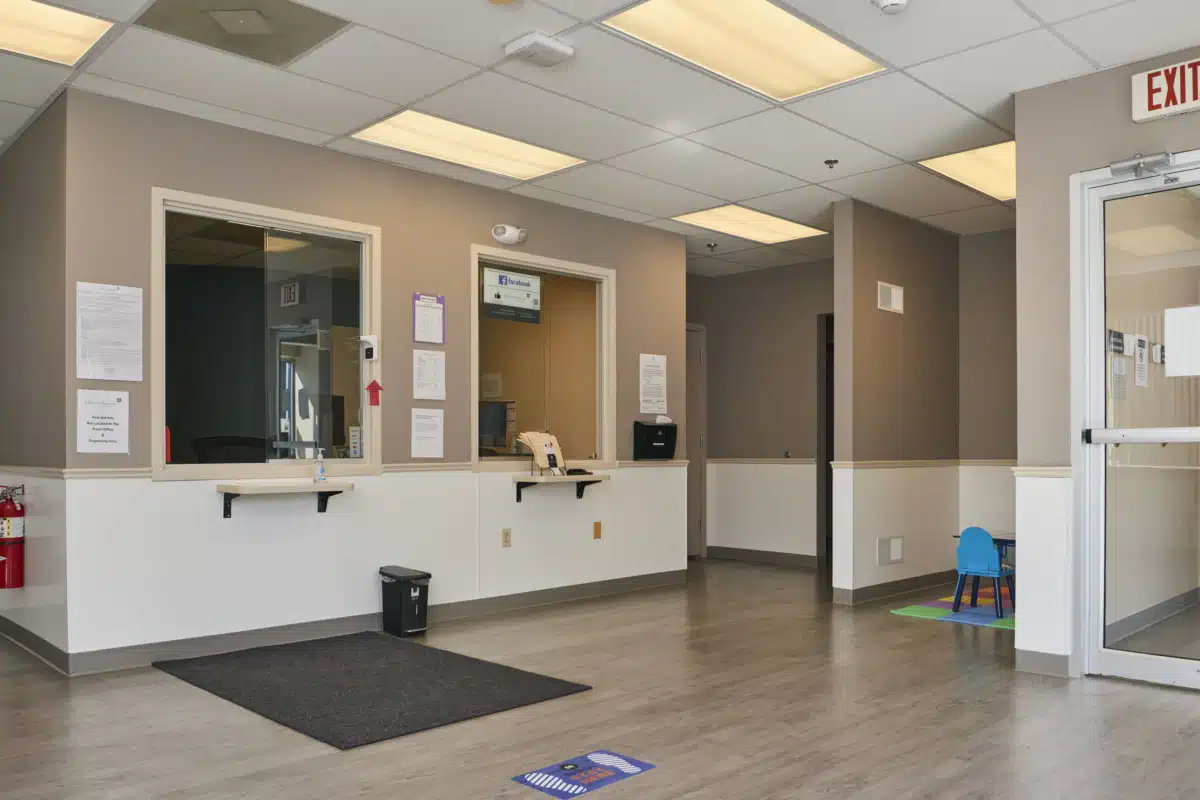
Nestled in Ephrata, PA, ARS of Ephrata offers a wide range of substance use treatment options through its outpatient services, including methadone, buprenorphine, and naltrexone programs. This facility excels in providing specialized support for anger management, brief interventions, and cognitive behavioral therapy, making it a versatile choice for many. It also features unique programs designed specifically for those who have faced trauma, as well as for LGBTQ individuals and pregnant or postpartum women. With services thoughtfully tailored for both adults and young adults across all genders, ARS of Ephrata is dedicated to delivering quality care within a nurturing environment. So, if you or someone close to you is searching for substance use treatment that includes specialized programs and evidence-based strategies, this facility stands ready to help guide you on the path to recovery.
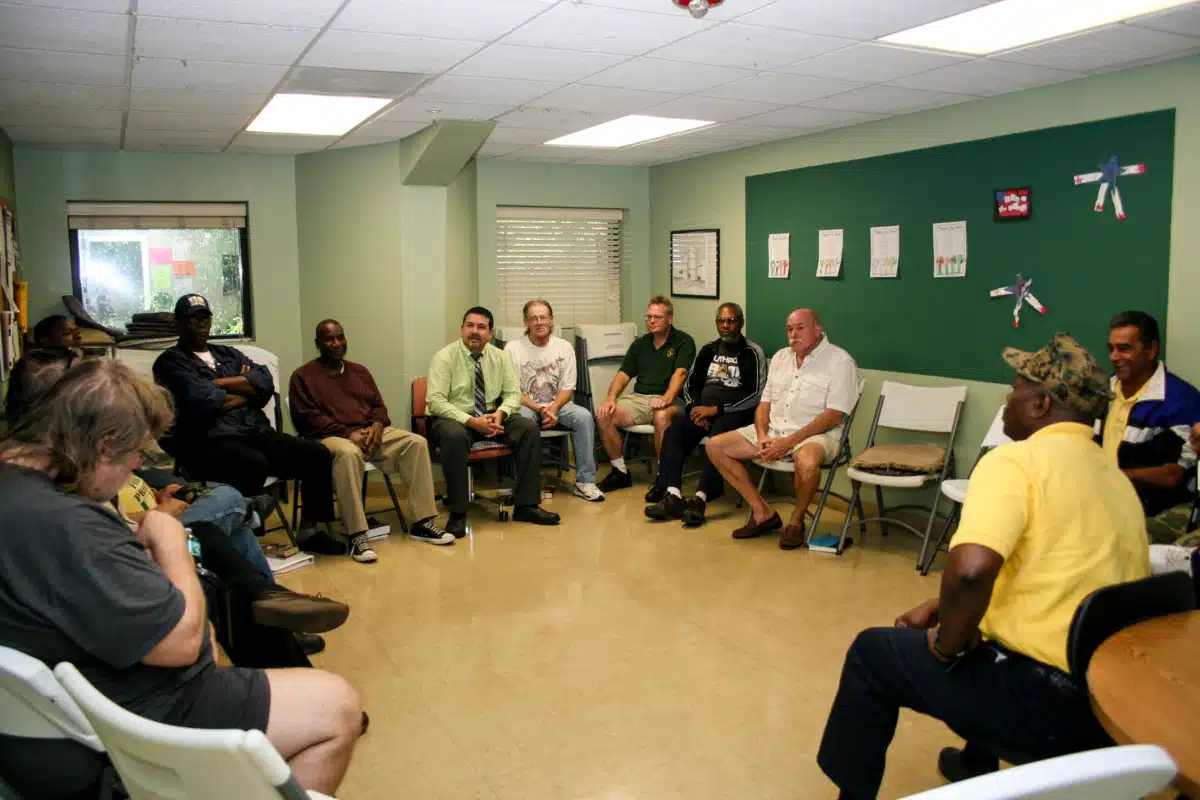
Located in Saint Cloud, FL, Transition House Inc is dedicated to providing comprehensive substance use treatment tailored for adult men, seniors, and young adults. With a particular focus on co-occurring substance use and serious mental health disorders, this facility offers a range of options, including long-term, short-term, and 24-hour residential programs. Employing customized methods such as 12-step facilitation and anger management, Transition House Inc is equipped to serve active duty military personnel as well as individuals who have faced intimate partner violence. Committed to delivering quality care, the center utilizes brief interventions and develops individualized treatment plans to meet each client's unique needs. If you're in search of effective rehabilitation that prioritizes addressing complex challenges, this facility is devoted to supporting your path to recovery.
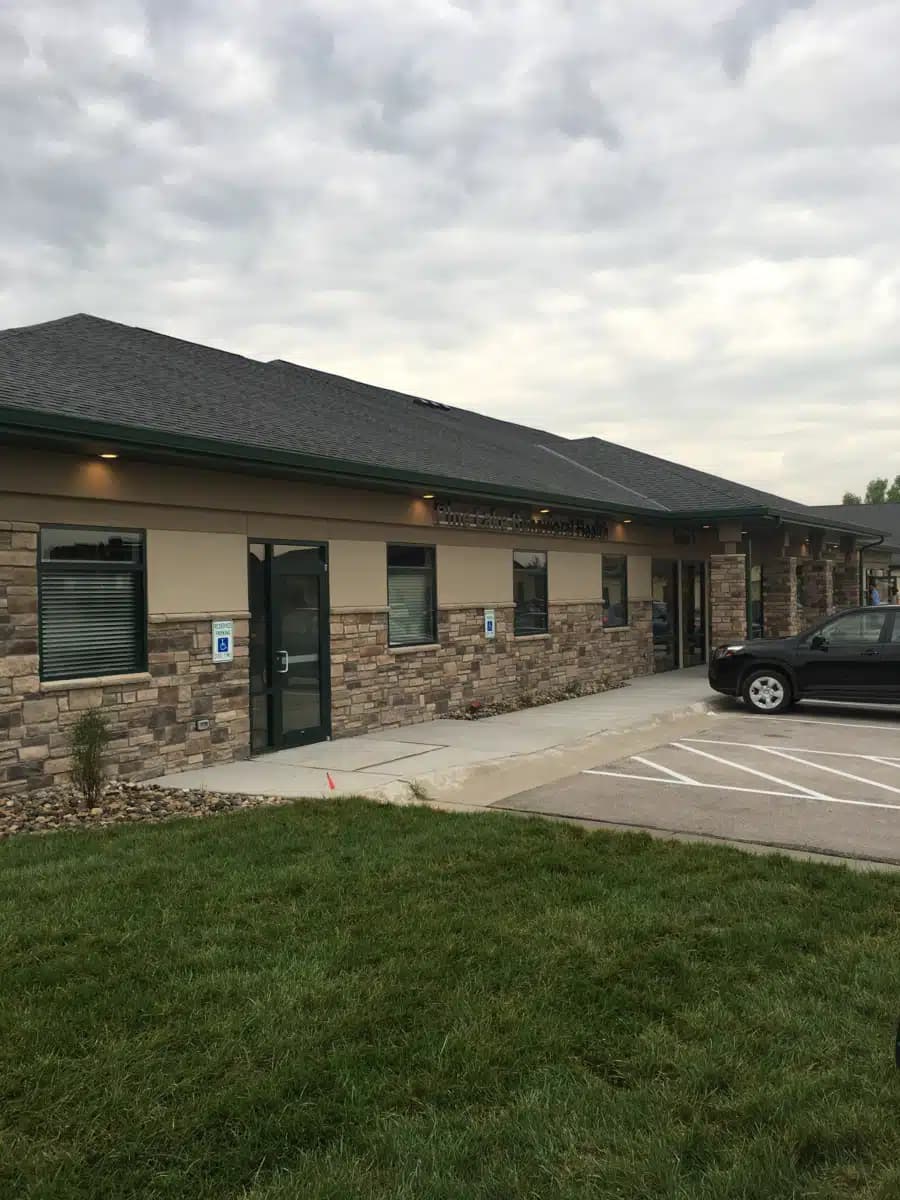
Situated in Lincoln, NE, Pine Lake Behavioral Health/Medical presents a wide array of addiction treatment programs tailored for adults and seniors. This facility specializes in outpatient services, including intensive outpatient treatment and outpatient detoxification, particularly addressing detoxification, substance use disorders, and co-occurring mental health issues. With a strong emphasis on anger management, brief interventions, and cognitive behavioral therapy, the center provides support for both men and women, alongside clients who have faced trauma. Committed to delivering personalized care, Pine Lake Behavioral Health/Medical prioritizes a holistic approach to fostering recovery for each individual client.
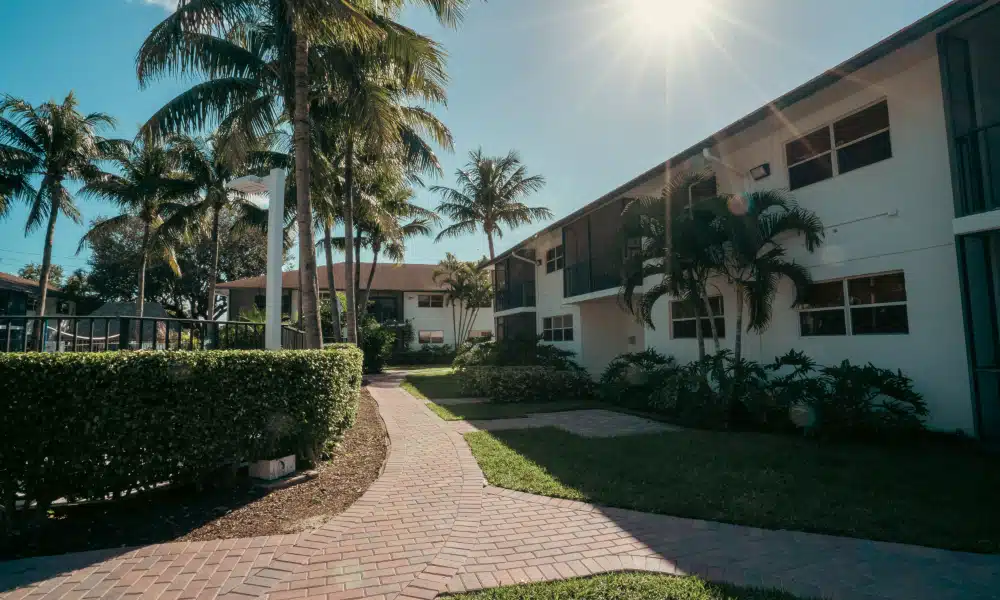
Situated in Delray Beach, Florida, Recovery Team provides a wide range of outpatient and day treatment programs designed for both adults and young adults facing challenges related to substance use and co-occurring mental health disorders. This facility prides itself on its specialized approach, incorporating 12-step facilitation, anger management, and brief intervention strategies that effectively cater to the unique needs of each individual. Recovery Team also features programs specifically designed for active duty military personnel, as well as gender-specific options for adult men and women, ensuring a supportive atmosphere conducive to lasting recovery. With a steadfast dedication to delivering high-quality care and crafting personalized treatment plans, Recovery Team stands out as an excellent choice for those in search of tailored and compassionate rehabilitation services.
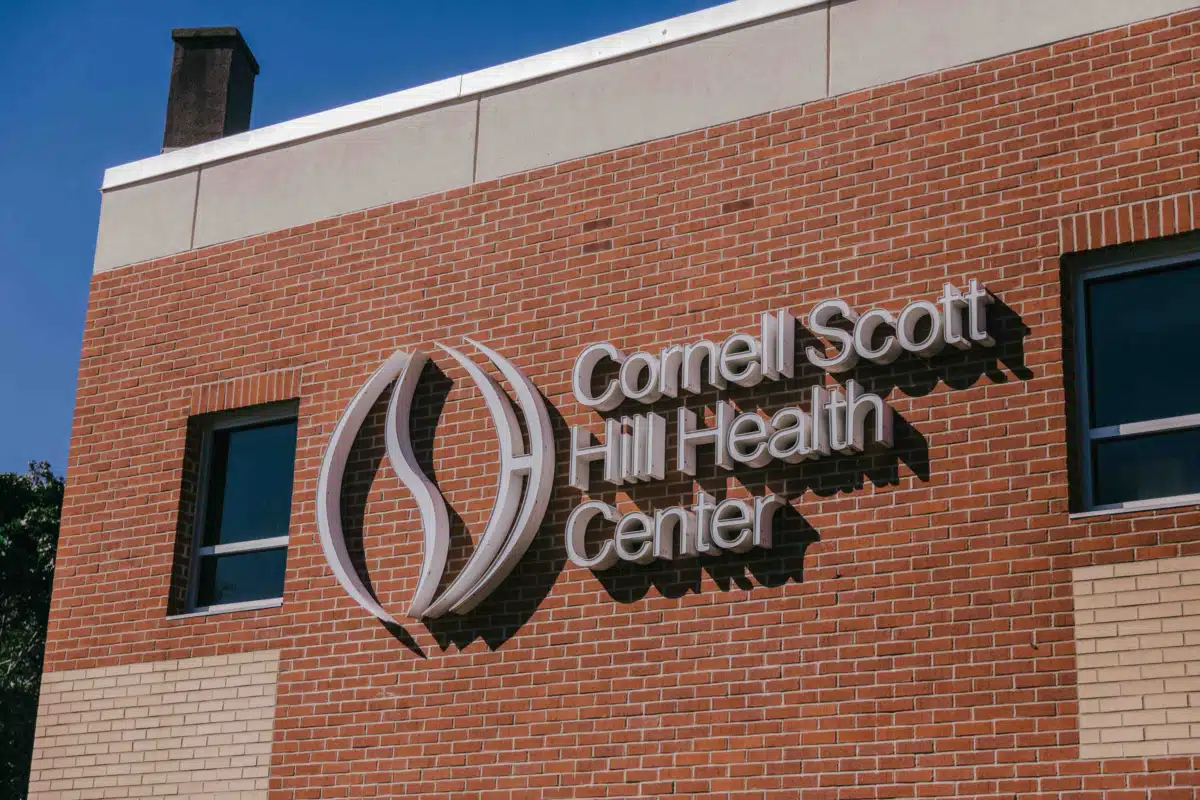
Nestled in New Haven, CT, the Adult Psychiatric Clinic is dedicated to providing outpatient treatment that addresses substance use and co-occurring serious mental health disorders in adults, along with emotional challenges faced by children. The center offers a variety of treatment options, such as outpatient care with methadone, buprenorphine, or naltrexone, as well as standard outpatient services. Emphasizing anger management, brief interventions, and cognitive behavioral therapy, this clinic serves a diverse clientele, including active duty military personnel and adult men and women alike. Committed to offering individualized care for adults and young adults of all genders, this facility stands out as an essential resource for those seeking specialized addiction treatment within a nurturing environment.
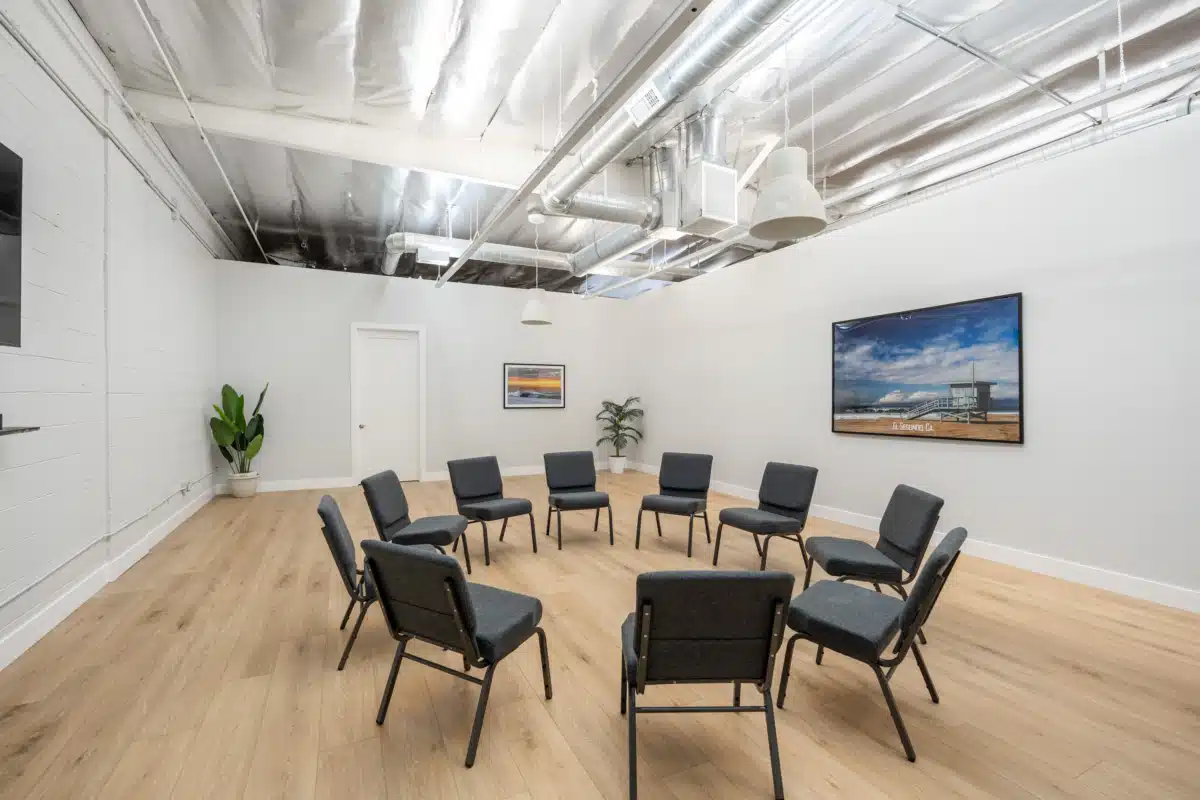
Nestled in Van Nuys, CA, Insight Treatment Programs is dedicated to providing specialized rehabilitation services for individuals grappling with substance use and co-occurring mental health disorders, whether they be adults or children. The center boasts a variety of treatment options, such as intensive outpatient, outpatient, and day treatment programs. Placing a strong emphasis on 12-step facilitation, anger management, and brief interventions, this facility serves both adolescents and those facing dual diagnoses. Catering to males and females of all ages, Insight Treatment Programs is committed to delivering quality care and personalized treatment plans that foster enduring recovery and promote holistic wellness.
Located in South Plainfield, NJ, Clear Conscience Counseling LLC specializes in providing substance use treatment and co-occurring mental health services for both adults and children. The center offers a range of intensive outpatient programs, including methadone and buprenorphine treatments, and employs strategies such as 12-step facilitation, anger management, and brief interventions to foster recovery. With customized programs designed specifically for active duty military personnel, as well as for adult men and women, this facility is well-equipped to meet the needs of a diverse clientele. Clear Conscience Counseling LLC prioritizes high-quality care and evidence-based methodologies, ensuring that both adults and young adults, regardless of gender, receive the necessary support on their journey to recovery.
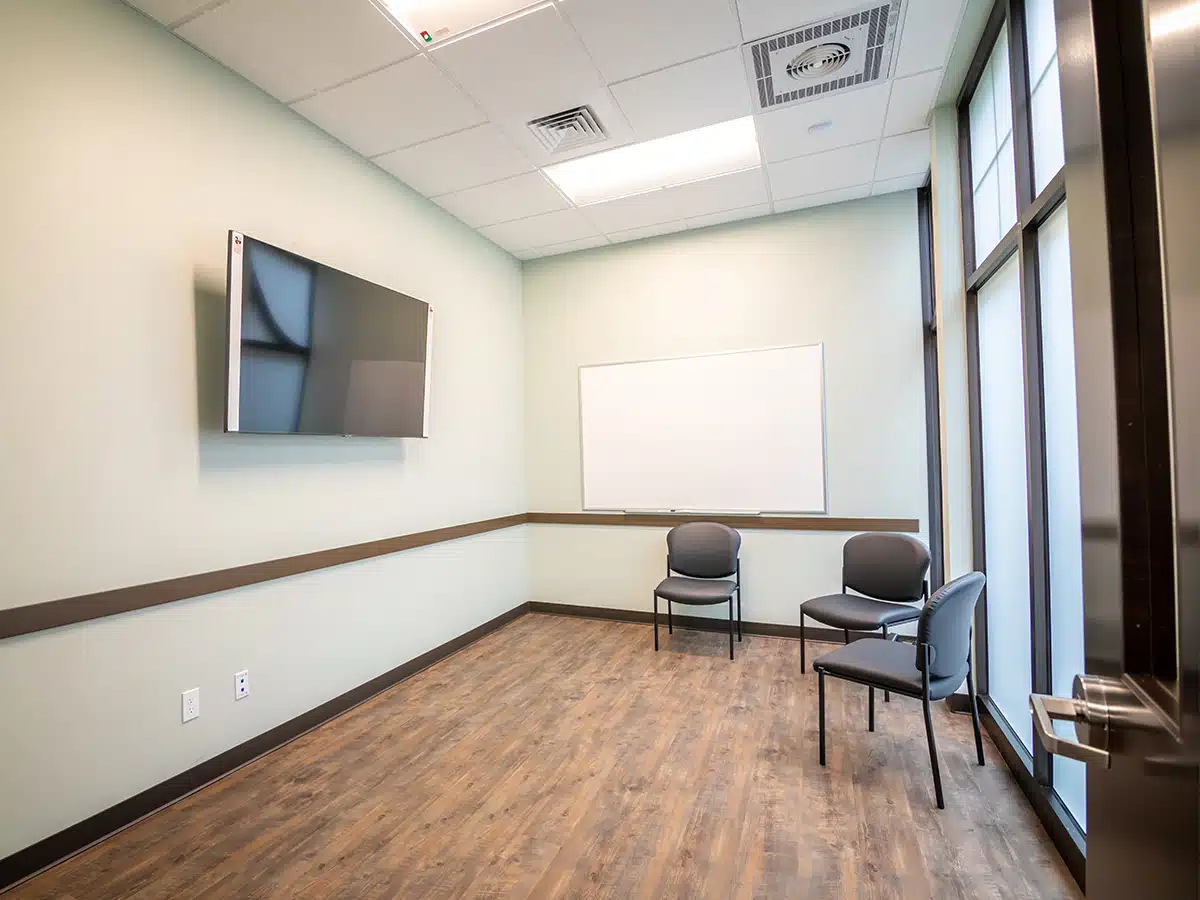
Located in Asheville, NC, the Asheville Comprehensive Treatment Center specializes in outpatient substance use treatment tailored to both adults and young adults. This facility offers a variety of services, including outpatient methadone or buprenorphine treatment, as well as naltrexone options, alongside regular outpatient programs. Its approach is grounded in evidence-based practices, incorporating techniques such as brief intervention, cognitive behavioral therapy, and contingency management with motivational incentives. Notably, the center has specialized programs designed for criminal justice or forensic clients, as well as for pregnant and postpartum women. With a strong emphasis on personalized care, the center supports both male and female clients, creating a comprehensive and nurturing environment for anyone seeking help with addiction.

Located in Lake Havasu City, AZ, Community Medical Services provides outpatient treatment programs designed specifically for adults and young adults struggling with substance use. The facility is dedicated to offering specialized care for adult men, adult women, and those who are pregnant or in the postpartum stage. Their diverse treatment approaches encompass anger management, brief interventions, and cognitive behavioral therapy, along with options like outpatient methadone, buprenorphine, or naltrexone treatments. With an unwavering commitment to quality care, this center is focused on guiding individuals on their journey toward recovery from addiction. Here, both male and female clients can access tailored programs that meet their individual needs within a supportive and professional atmosphere.
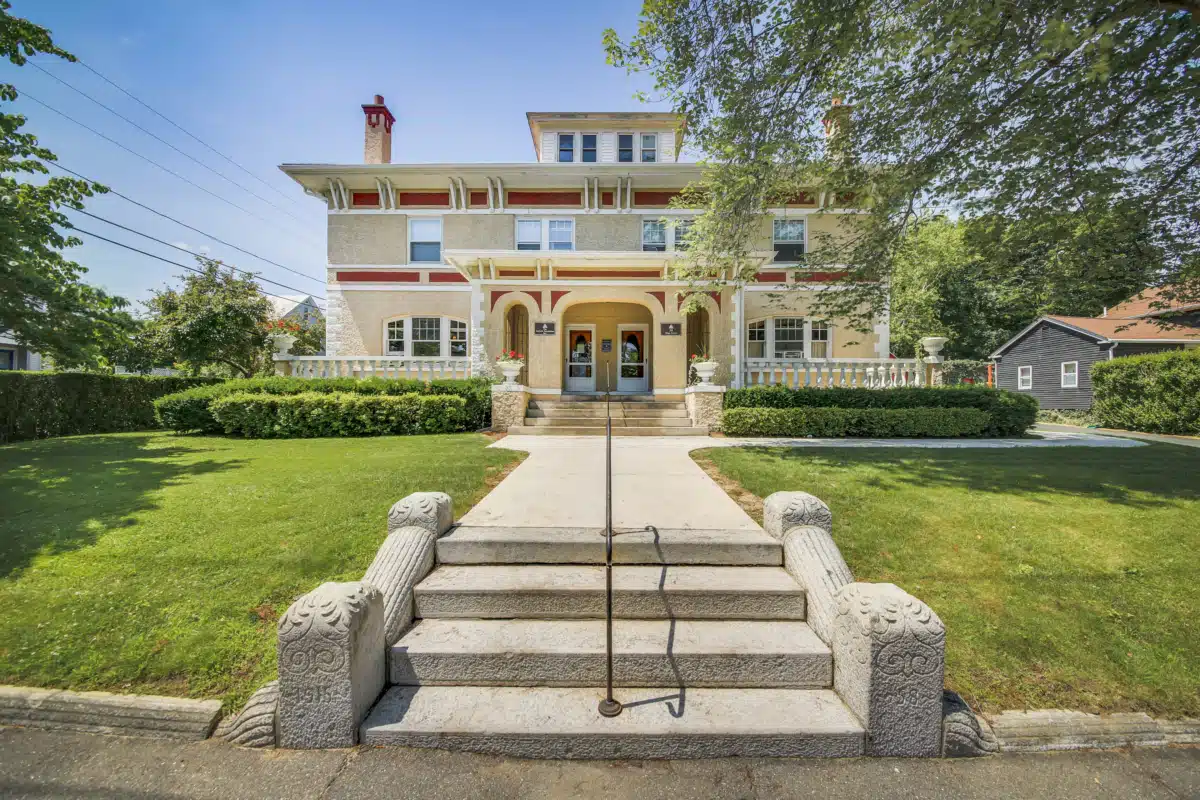
McCall Behavioral Health Network, located in Torrington, CT, provides a wide range of comprehensive treatment options for substance use disorders. These include intensive outpatient care, standard outpatient services, and outpatient treatments using methadone, buprenorphine, or naltrexone. Committed to evidence-based practices, the facility employs a variety of therapeutic methods such as anger management, brief interventions, and cognitive behavioral therapy. Moreover, McCall offers specialized programs tailored for adolescents, adult men, and adult women. By serving individuals of all genders, both adults and children or adolescents, McCall Behavioral Health Network emphasizes the importance of high-quality care, helping each person navigate their unique journey toward recovery from addiction.
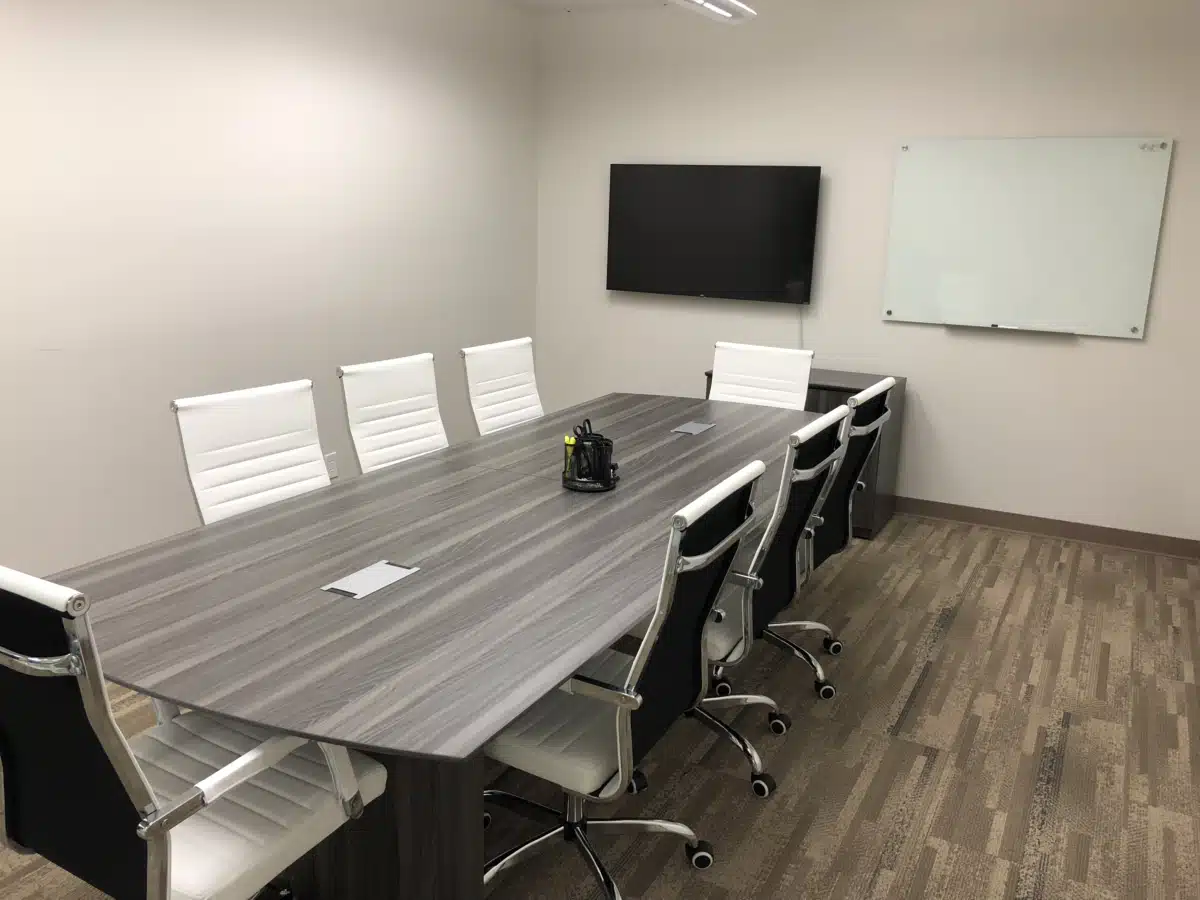
In Southlake, TX, Arise Recovery Centers delivers comprehensive treatment for substance use through a variety of formats, such as intensive outpatient, outpatient, and regular outpatient programs. This facility excels in 12-step facilitation, anger management, and brief intervention strategies. With customized programs designed for adult men and women, as well as clients who have faced intimate partner or domestic violence, Arise effectively addresses a broad range of needs. Embracing individuals of all genders, both adults and young adults, the center fosters a nurturing environment that supports recovery. Patients can anticipate receiving high-quality care and personalized treatment plans tailored to guide them on their path to sobriety.

Nestled in the vibrant community of Huntington Beach, California, South Coast Behavioral Health stands as a beacon of hope offering a wide array of addiction treatment services tailored for both adults and young adults. The facility provides essential support through residential detoxification, round-the-clock residential care, and short-term residential programs, all aimed at individuals grappling with substance use disorders and co-occurring mental health challenges. With specialized programs designed specifically for adult men, adult women, and those who have faced intimate partner or domestic violence, South Coast addresses a variety of needs with compassion and expertise. Their approach incorporates proven methods such as 12-step facilitation, anger management, and brief intervention, ensuring that each client's journey to recovery is personalized and effective. Committed to delivering high-quality, evidence-based treatment, South Coast Behavioral Health strives to empower individuals on their path to lasting recovery.
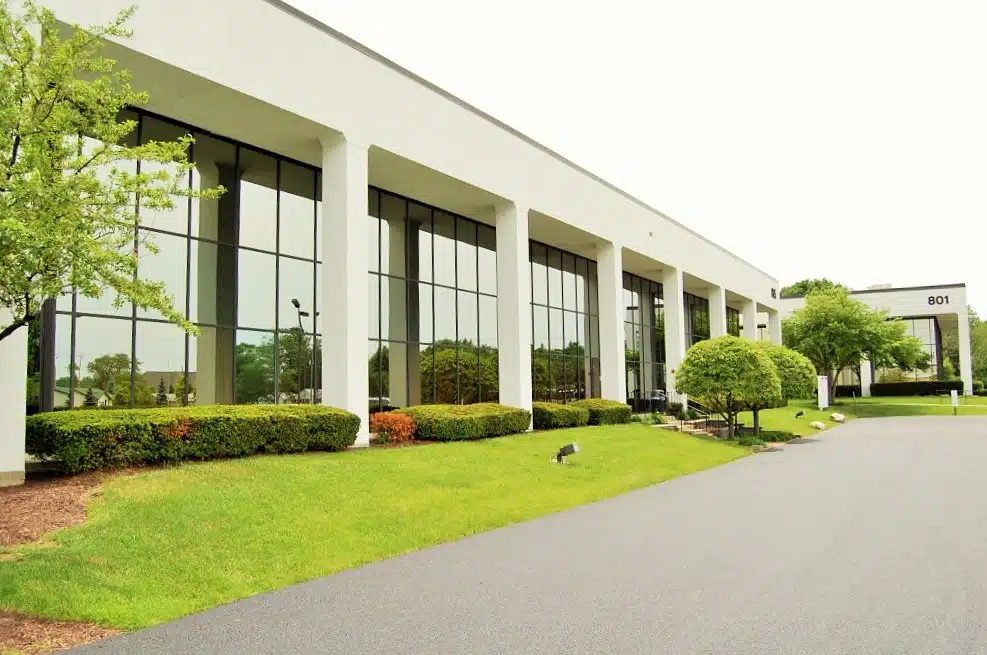
Located in Joliet, IL, Paramos Counseling Center specializes in substance use treatment, offering a variety of programs that cater specifically to individual needs. The facility provides a spectrum of options, including intensive outpatient, outpatient, and regular outpatient treatment. By employing evidence-based approaches such as brief intervention, cognitive behavioral therapy, and motivational interviewing, the center ensures effective care. Paramos Counseling Center also features dedicated programs for adult men and women, serving both adults and young adults across genders. Clients can look forward to receiving high-quality care from experienced professionals in a nurturing environment that fosters lasting recovery.
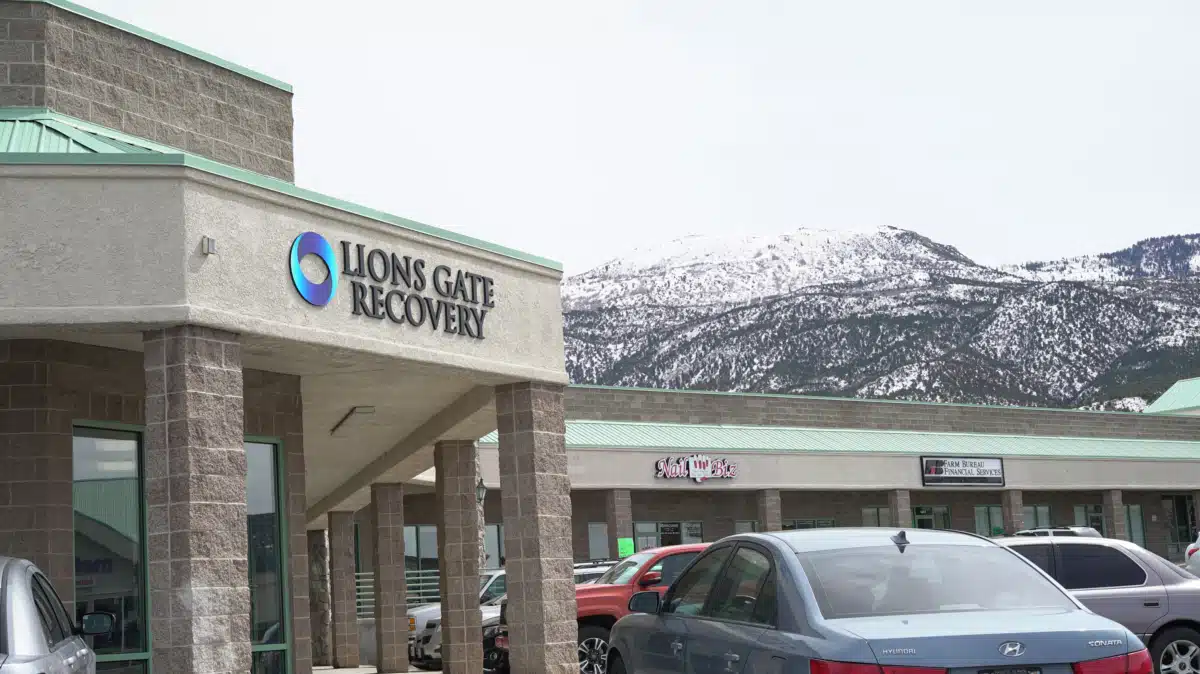
Nestled in Saint George, UT, Lions Gate Recovery is dedicated to offering comprehensive treatment programs for substance use, specifically designed for adults and young adults. The facility features specialized tracks for active duty military personnel, as well as programs tailored for adult men and women. With options that range from intensive outpatient care to outpatient and day treatment, Lions Gate Recovery employs a variety of approaches, including 12-step facilitation, anger management, and brief interventions. This ensures that every individual receives personalized care. Their programs emphasize evidence-based treatments and create a nurturing environment that supports both male and female clients on their paths to recovery. If you’re looking for effective and individualized addiction treatment, Lions Gate Recovery stands ready to assist you on your journey toward sobriety.

Situated in Pueblo, CO, Health Solutions delivers a wide array of outpatient substance use treatment programs designed for both adults and young adults. The center specializes in addressing co-occurring disorders, effectively catering to adults with substance use and serious mental health issues, as well as children grappling with significant emotional disturbances. With a commitment to personalized care, Health Solutions employs a variety of therapeutic approaches, including cognitive behavioral therapy, motivational interviewing, and strategies for relapse prevention. Additionally, the facility features specialized programs tailored for adult men and women, alongside support for clients who have endured intimate partner violence or domestic violence. Through its unwavering focus on quality care and individualized treatment plans, Health Solutions is dedicated to guiding clients on their journeys toward lasting recovery.
About Stimulant Addiction Treatment
Stimulant addiction treatment relies primarily on behavioral therapies—contingency management (CM) and cognitive behavioral therapy (CBT)—because no FDA-approved pharmacotherapy for stimulant use disorder currently exists. According to the National Institute on Drug Abuse (NIDA), psychostimulant-involved overdose deaths surpassed 34,000 in 2023, more than tripling since 2015. Effective treatment programs combine structured behavioral interventions, medically supervised detoxification, and long-term relapse prevention to help individuals recover from cocaine, methamphetamine, and prescription stimulant dependence.
What Is Stimulant Use Disorder?
Stimulant use disorder (SUD), classified under DSM-5 diagnostic criteria, involves a pattern of compulsive psychostimulant use despite clinically significant impairment. Stimulants act on the mesolimbic dopamine pathway by blocking or reversing dopamine transporters (DAT), flooding the nucleus accumbens with dopamine and producing intense euphoria. The 2023 National Survey on Drug Use and Health (NSDUH) estimates that approximately 1.4 million Americans aged 12 and older met criteria for cocaine use disorder and 1.6 million for methamphetamine use disorder in the past year.
Common psychostimulants associated with substance use disorder include:
- Cocaine and crack cocaine: Short-acting dopamine-norepinephrine reuptake inhibitors producing a 15–30 minute euphoric high; associated with cardiovascular toxicity including myocardial infarction and stroke
- Methamphetamine (meth, crystal meth, ice): Long-acting releasing agent causing sustained dopamine surges; chronic use leads to neurotoxicity, severe dental erosion, and psychosis
- Prescription amphetamines: Adderall (mixed amphetamine salts) and Ritalin (methylphenidate) misused for cognitive enhancement or euphoria, particularly among college-aged adults
- MDMA (ecstasy, molly): Serotonin-dopamine releasing agent with both stimulant and empathogenic properties; associated with serotonin syndrome risk and hyperthermia
Evidence-Based Stimulant Addiction Treatment Approaches
A 2021 meta-analysis published in JAMA Psychiatry confirmed that contingency management combined with community reinforcement produces the highest treatment retention and abstinence rates for stimulant use disorder. Unlike opioid addiction treatment, which benefits from FDA-approved medications (buprenorphine, methadone, naltrexone), stimulant addiction treatment centers primarily use behavioral interventions as first-line therapy.
First-Line Behavioral Therapies
- Contingency Management (CM): Provides escalating tangible incentives (vouchers or prize draws) for stimulant-negative urine drug screens. NIDA-funded research shows CM increases abstinence rates by 20–30% compared to standard care. The VA and state Medicaid programs increasingly cover CM for stimulant use disorder.
- Cognitive Behavioral Therapy (CBT): Structured 12–16 session protocol teaching functional analysis of drug-use triggers, coping skill rehearsal, and relapse prevention planning. Multiple randomized controlled trials demonstrate sustained benefits at 12-month follow-up.
- The Matrix Model: A manualized 16-week intensive outpatient program developed at UCLA combining CBT, family education, 12-step facilitation, relapse prevention groups, and urine monitoring. SAMHSA lists the Matrix Model as an evidence-based practice for stimulant dependence.
- Motivational Interviewing (MI): A client-centered counseling approach that resolves ambivalence about change; often used in early treatment engagement or combined with CBT for enhanced outcomes.
- Community Reinforcement Approach (CRA): Restructures the patient's social, recreational, and vocational environment to make a sober lifestyle more rewarding than substance use.
Medical Management and Pharmacological Research
While no medications carry FDA approval for stimulant use disorder, several pharmacotherapies are used off-label or are in advanced clinical trials. Bupropion (a norepinephrine-dopamine reuptake inhibitor) shows modest benefit for methamphetamine use disorder. Mirtazapine may reduce methamphetamine use in certain populations. Topiramate and N-acetylcysteine are being studied for cocaine dependence. During medically supervised stimulant detoxification, clinicians manage the "crash" phase—characterized by hypersomnia, dysphoria, anhedonia, and intense cravings lasting 1–2 weeks—with supportive care, sleep hygiene protocols, and monitoring for suicidal ideation.
Levels of Care for Stimulant Addiction Treatment
The American Society of Addiction Medicine (ASAM) Criteria guide placement decisions across a continuum of care. Stimulant addiction treatment programs typically include:
- Medical detoxification (ASAM Level 3.7–4.0): 5–10 day medically monitored withdrawal management for severe dependence, particularly methamphetamine
- Residential/inpatient treatment (ASAM Level 3.5): 30–90 day structured programs providing 24-hour clinical support, recommended for patients with unstable living situations or polysubstance use
- Partial Hospitalization Programs (PHP): 20+ hours per week of structured programming while living off-site
- Intensive Outpatient Programs (IOP): 9–19 hours per week of group and individual therapy; allows patients to maintain employment and family obligations
- Standard outpatient: Weekly individual and/or group sessions for ongoing relapse prevention and long-term recovery management
Dual Diagnosis: Stimulant Addiction and Co-Occurring Mental Health Disorders
Research published in the Journal of Clinical Psychiatry indicates that over 50% of individuals with stimulant use disorder have at least one co-occurring psychiatric condition. Dual diagnosis treatment is essential because untreated mental illness significantly increases relapse risk. Common co-occurring conditions include major depressive disorder (especially during post-acute withdrawal), generalized anxiety disorder, post-traumatic stress disorder (PTSD), bipolar disorder, and attention-deficit/hyperactivity disorder (ADHD). Integrated treatment models that address both substance use and psychiatric symptoms simultaneously produce significantly better outcomes than sequential or parallel treatment approaches.
Neurological Recovery and Holistic Rehabilitation
Chronic stimulant use causes measurable dopaminergic system downregulation and prefrontal cortex impairment. Neuroimaging studies show that dopamine receptor (D2) density can partially recover after 12–18 months of sustained abstinence. Comprehensive recovery programs accelerate neurological and physical healing through:
- Nutritional rehabilitation: Addressing malnutrition, vitamin deficiencies (B12, folate, thiamine), and restoring healthy body weight—especially critical for methamphetamine users
- Structured exercise programs: Aerobic exercise increases brain-derived neurotrophic factor (BDNF) and supports natural dopamine receptor recovery
- Cognitive remediation therapy: Targeted exercises to rebuild working memory, executive function, and impulse control impaired by chronic stimulant neurotoxicity
- Mindfulness-based relapse prevention (MBRP): Combines meditation and cognitive therapy to reduce craving reactivity and improve distress tolerance
- Sleep restoration: Sleep hygiene education and treatment of stimulant-induced circadian rhythm disruption
Long-Term Recovery and Relapse Prevention
The chronic relapsing nature of stimulant use disorder requires ongoing recovery support. Research from the Journal of Substance Abuse Treatment demonstrates that patients who engage in continuing care for 12 or more months achieve 2–3 times higher sustained recovery rates. Long-term residential programs, sober living environments, peer recovery support services, and mutual-aid groups such as Crystal Meth Anonymous (CMA), Cocaine Anonymous (CA), and SMART Recovery all contribute to sustained sobriety. Browse verified stimulant addiction treatment centers in our comprehensive directory.